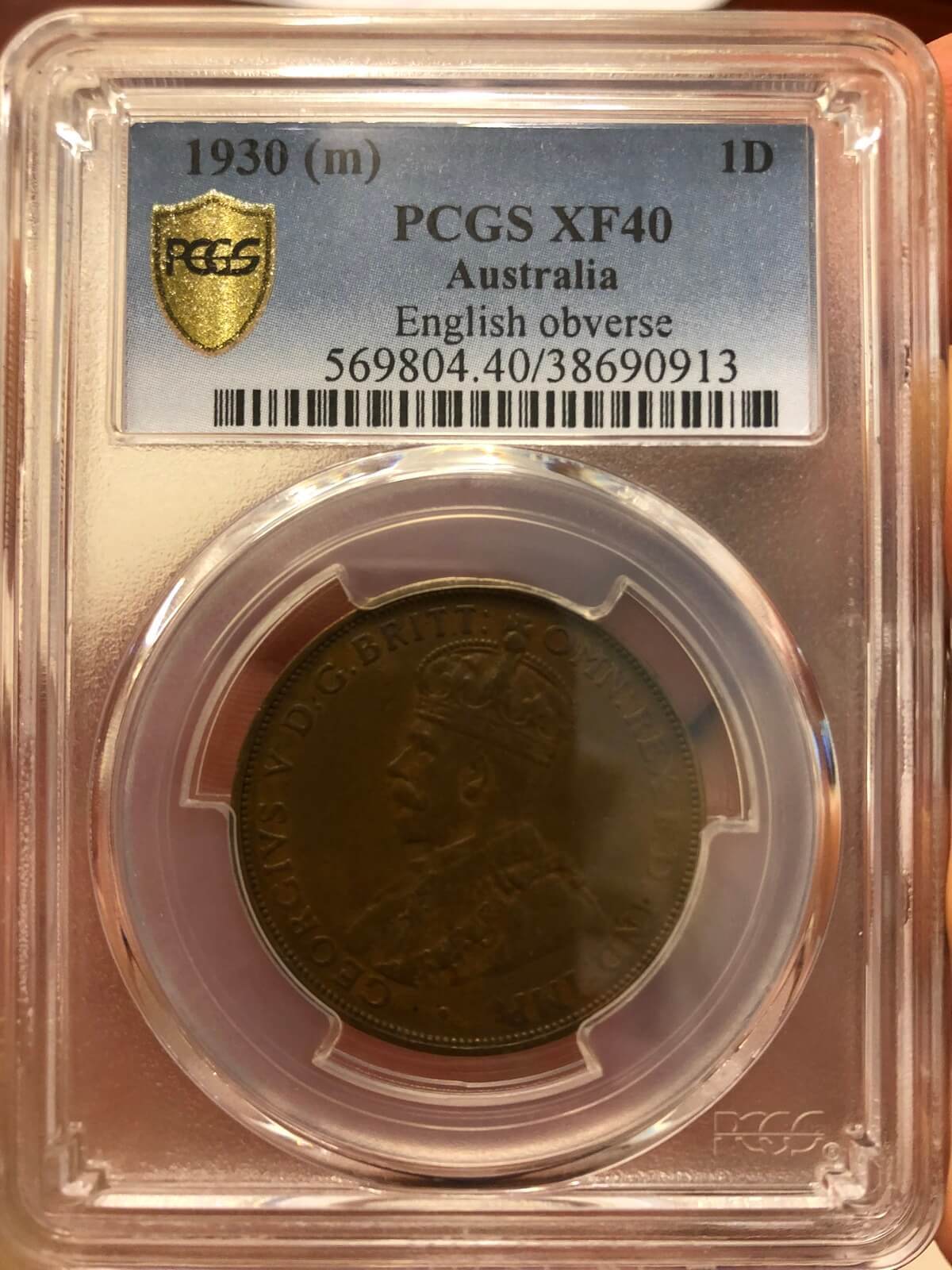
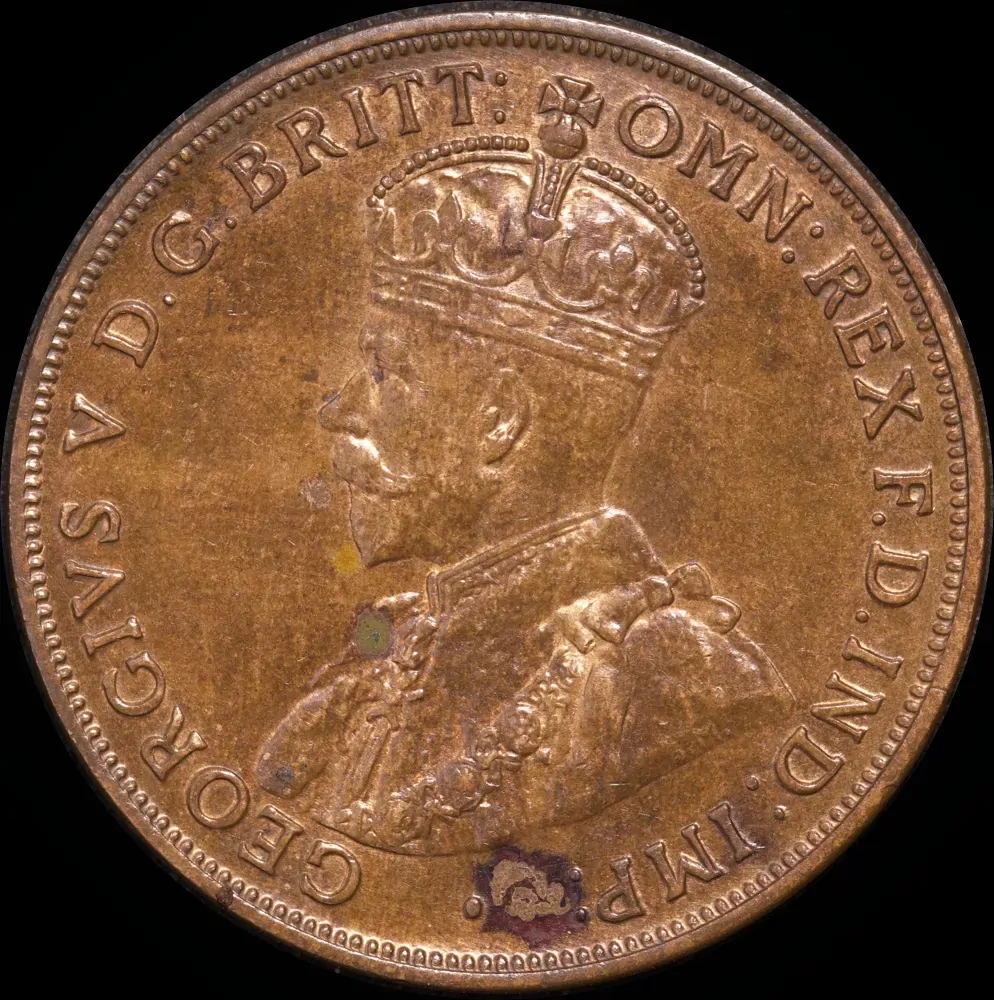
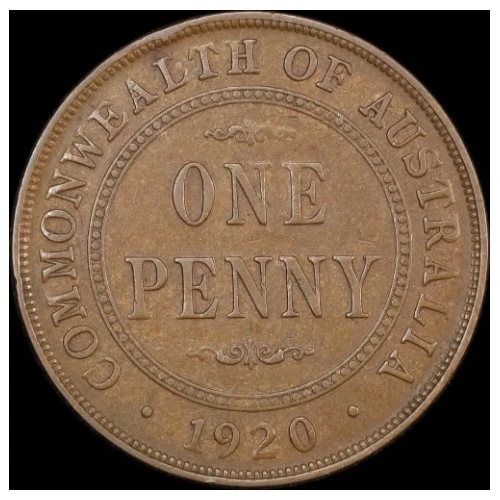
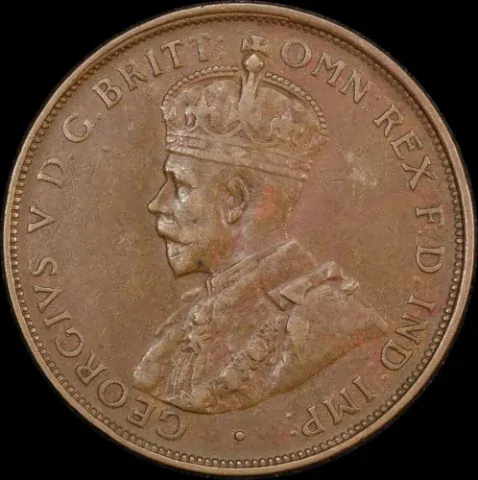
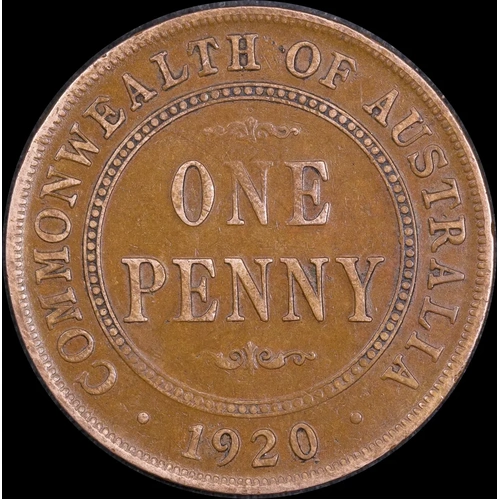
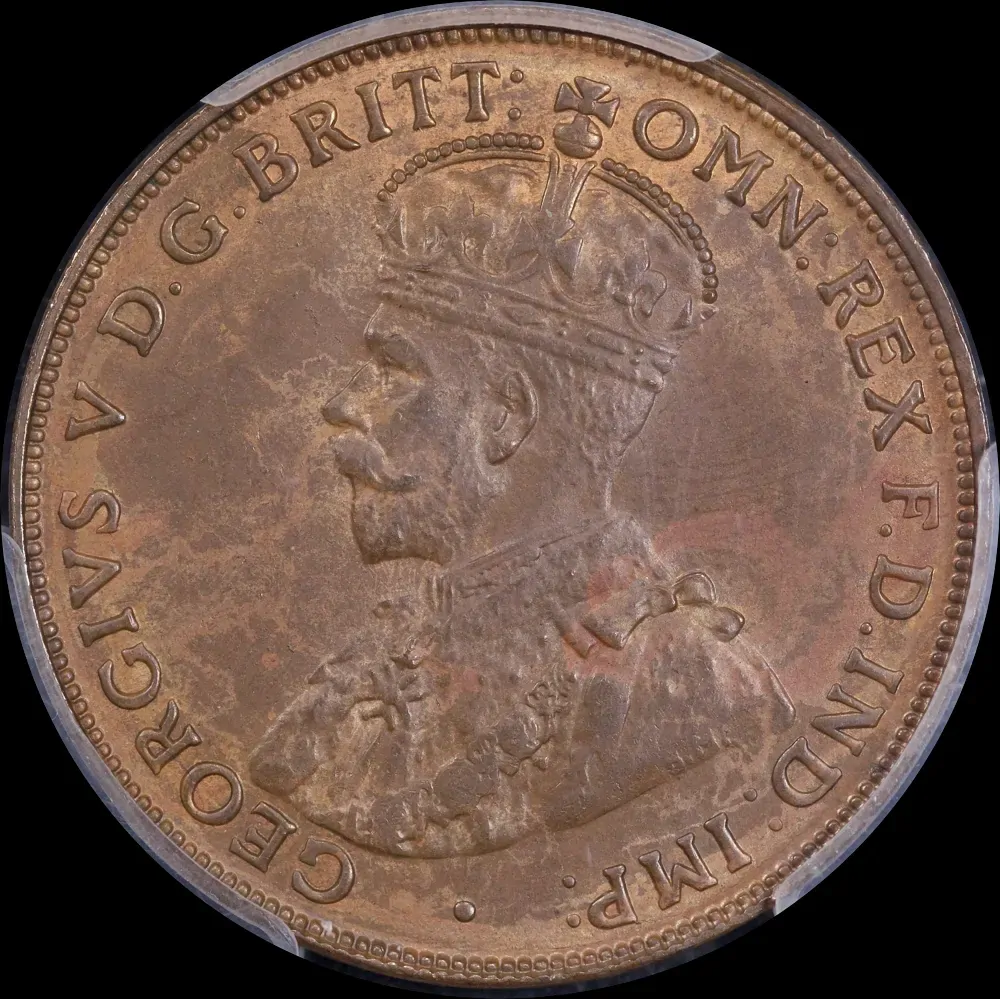
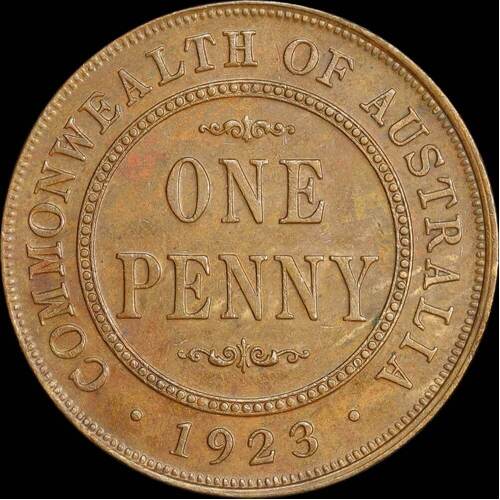
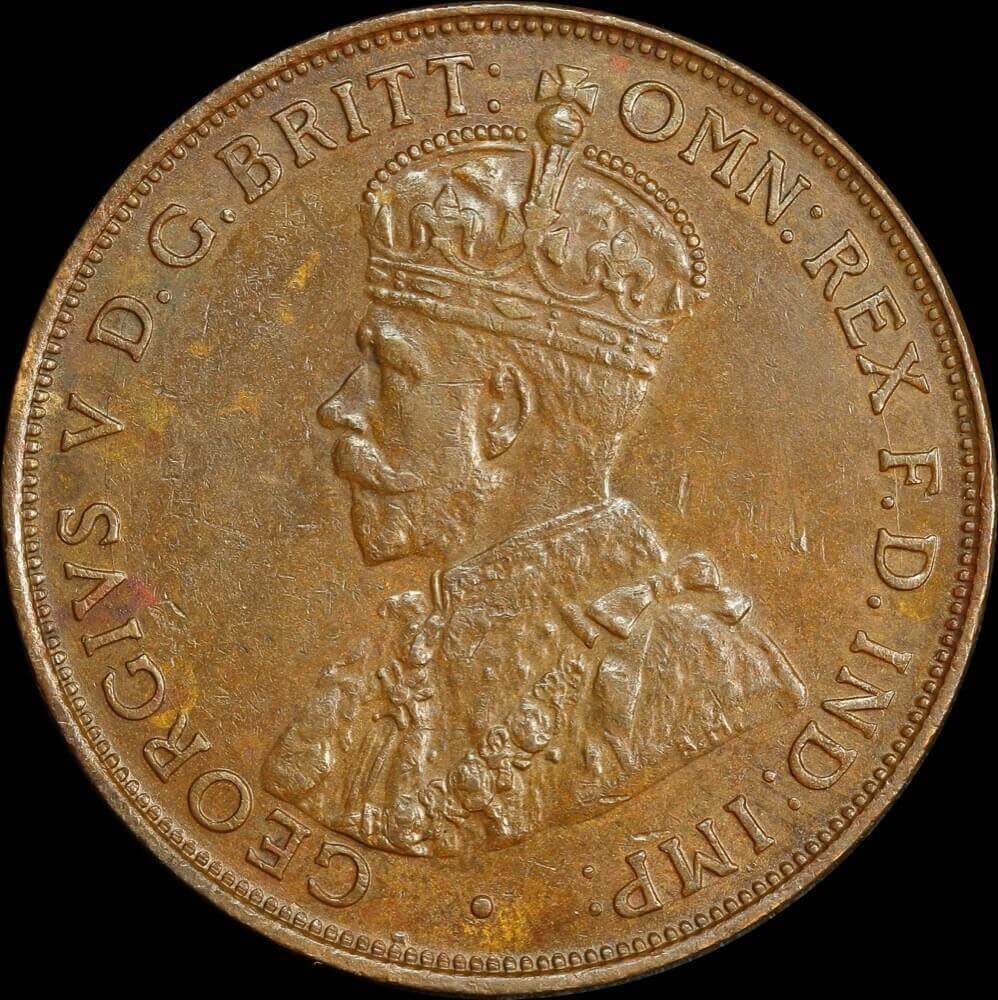
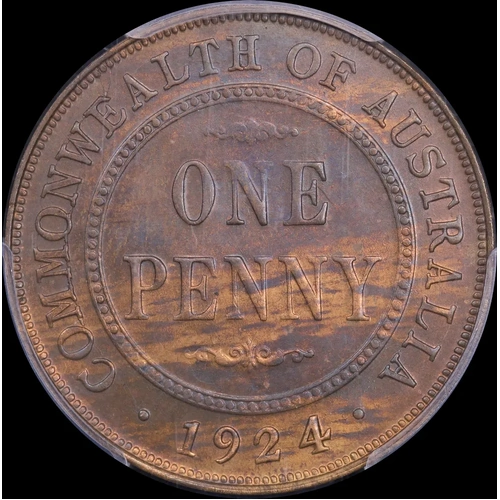
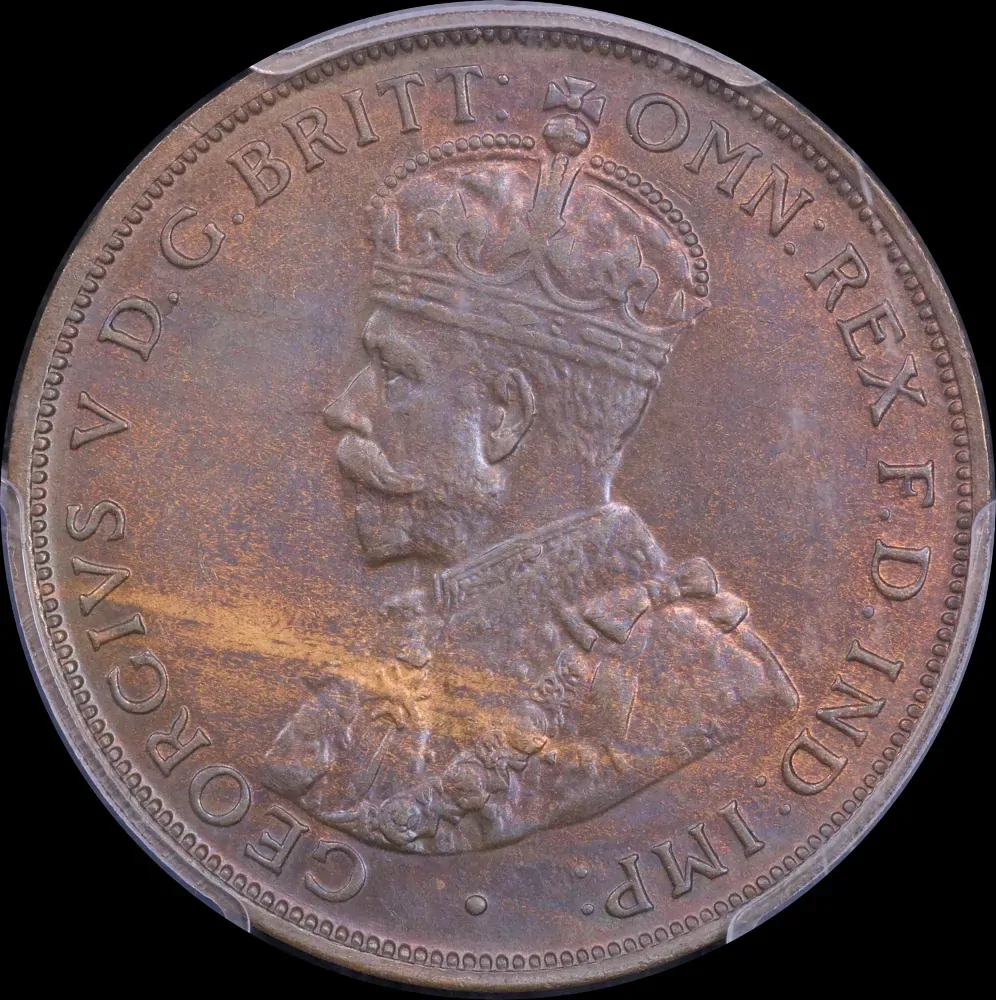
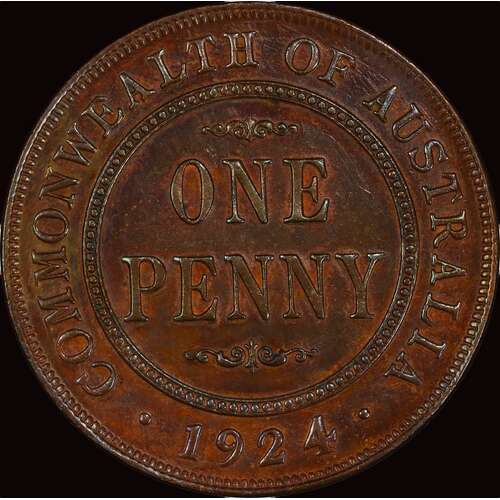
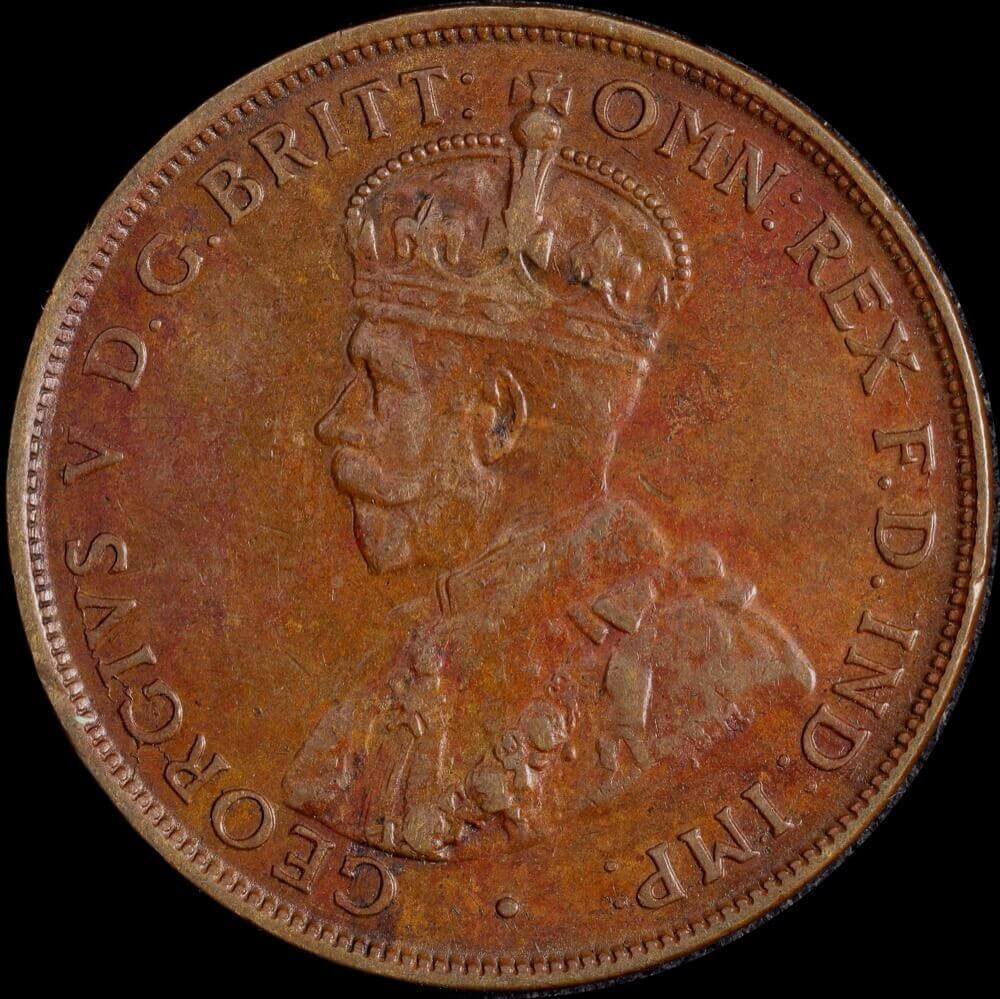
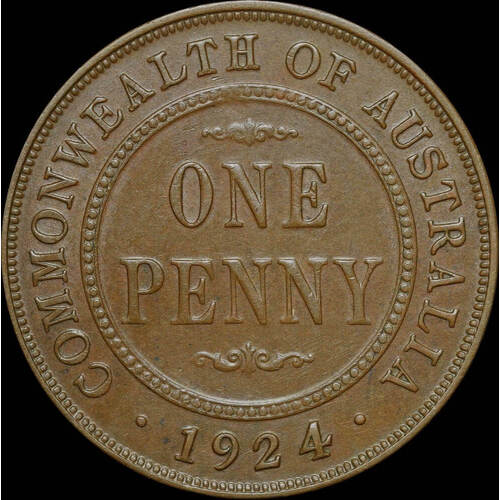
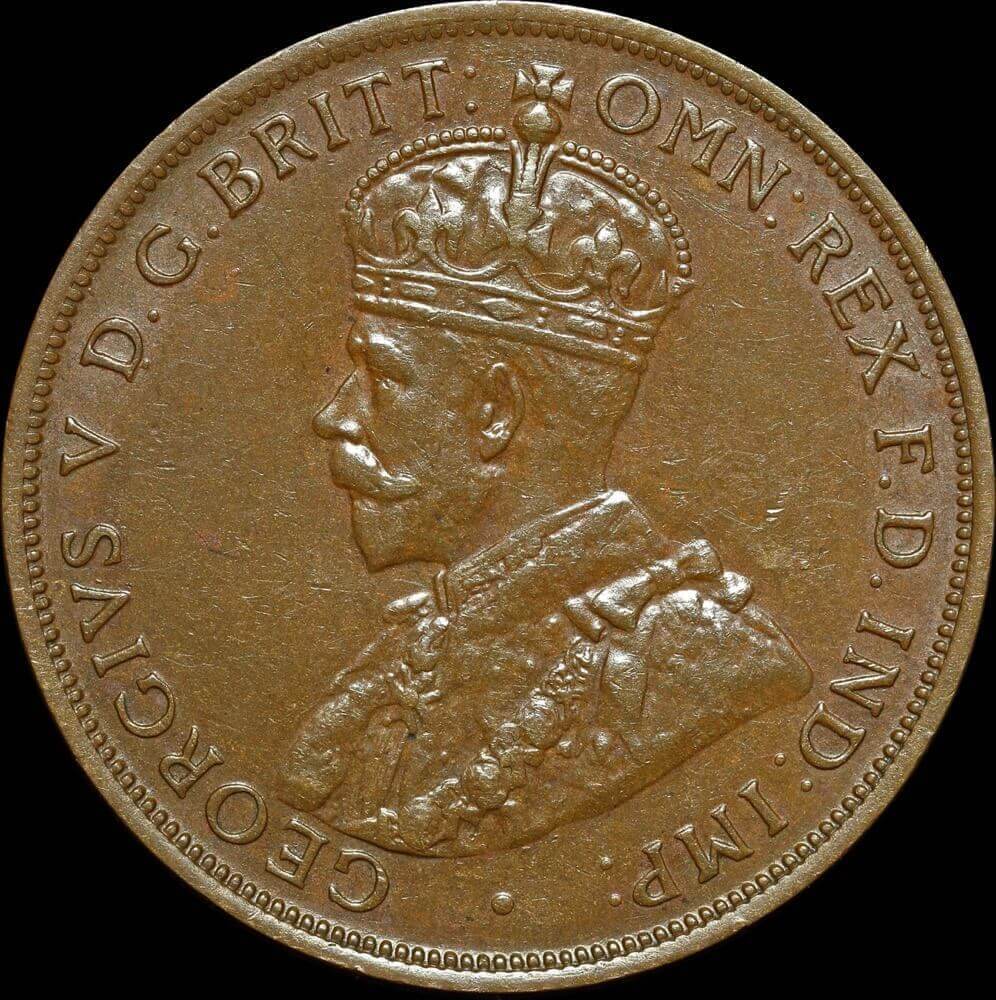
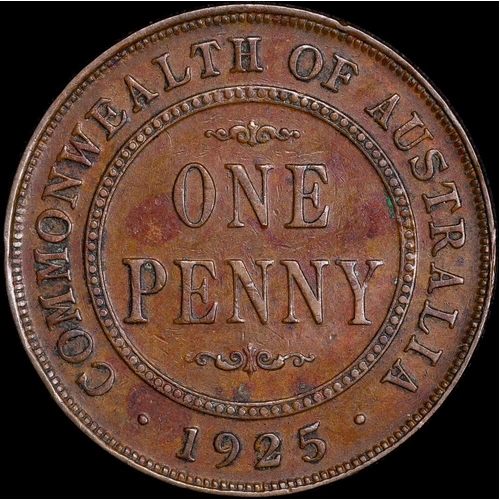
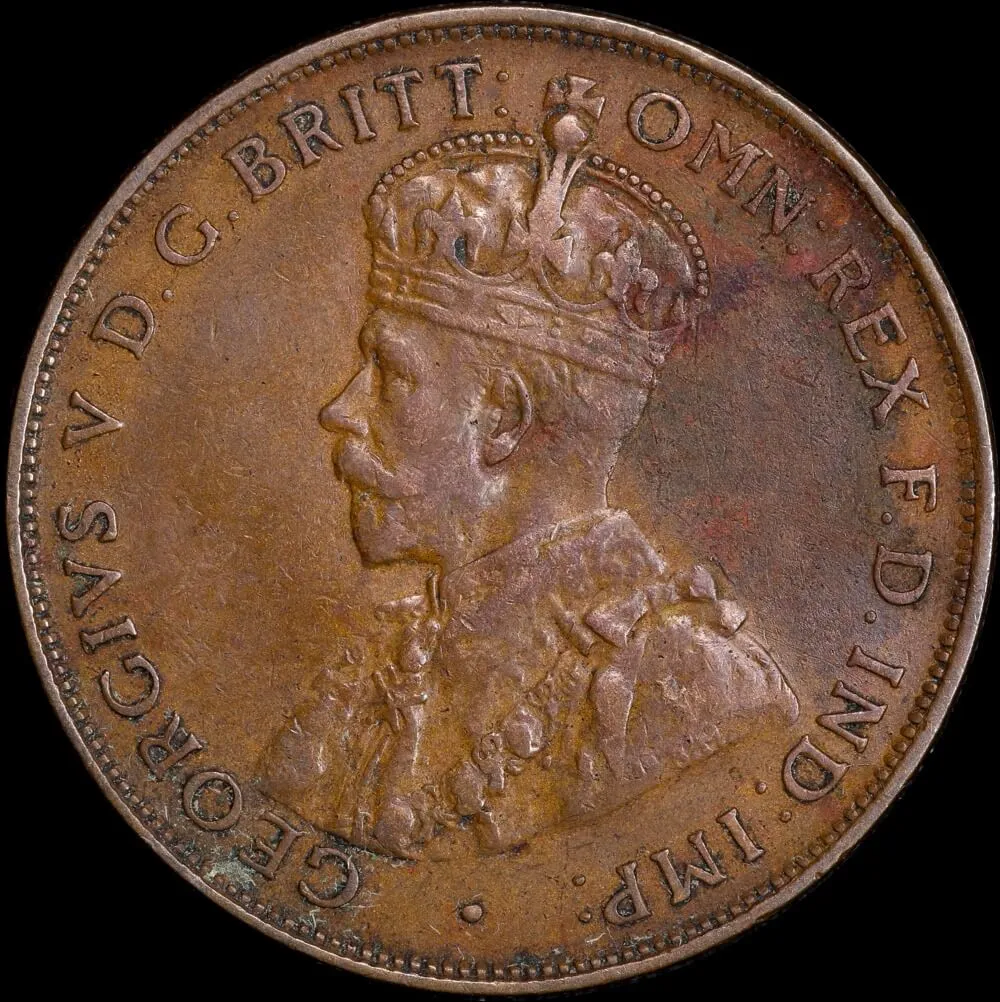
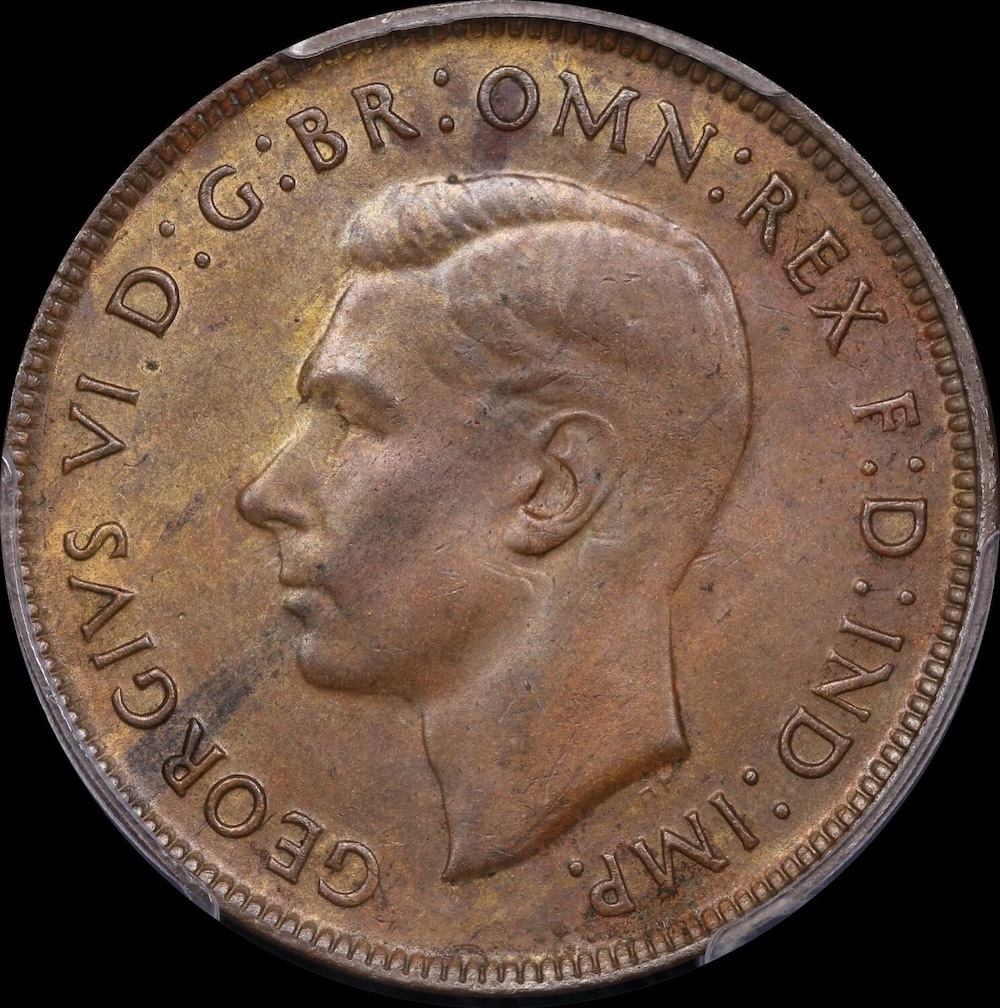
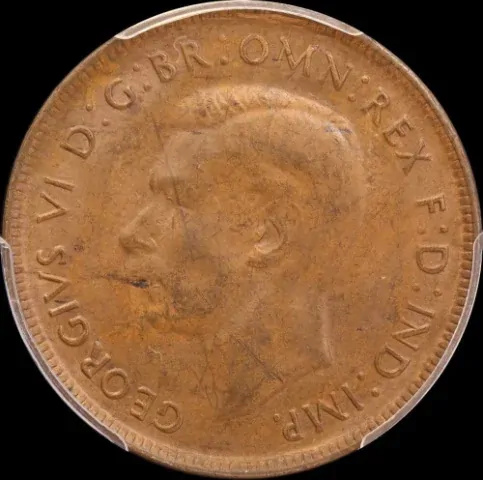
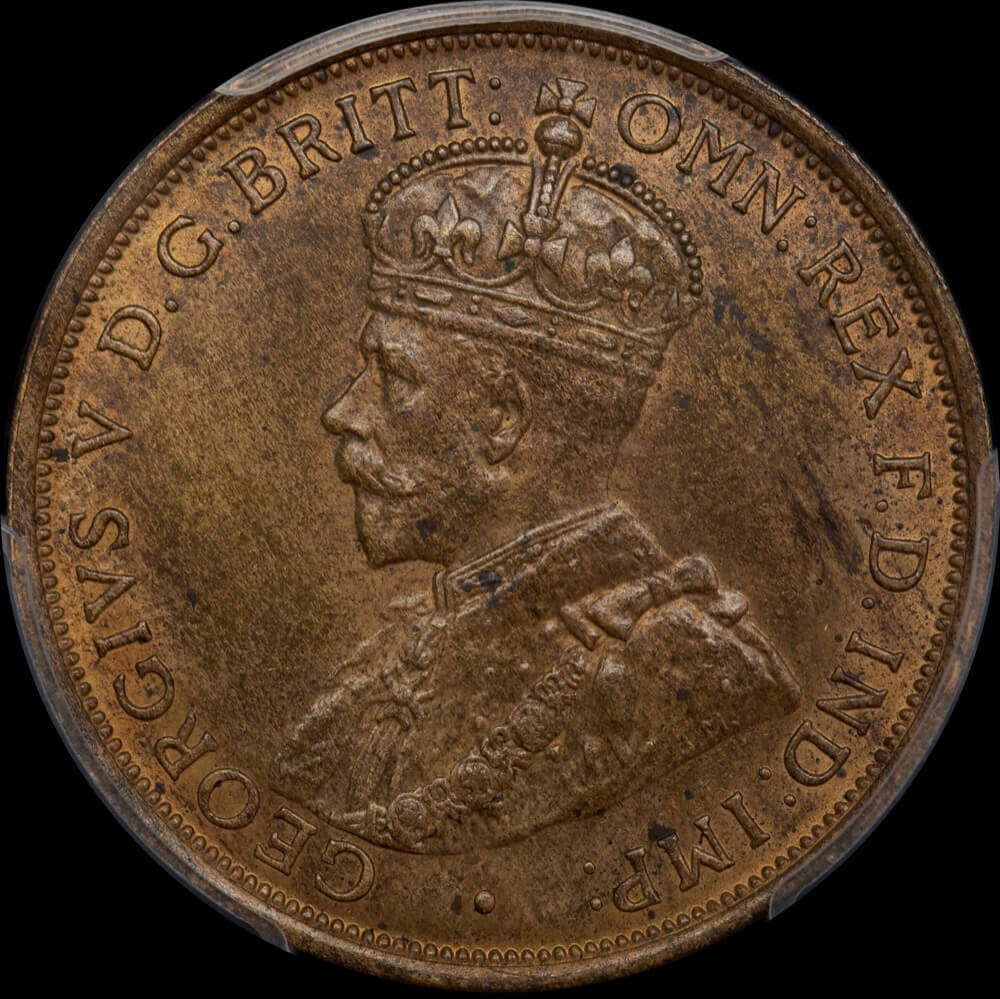
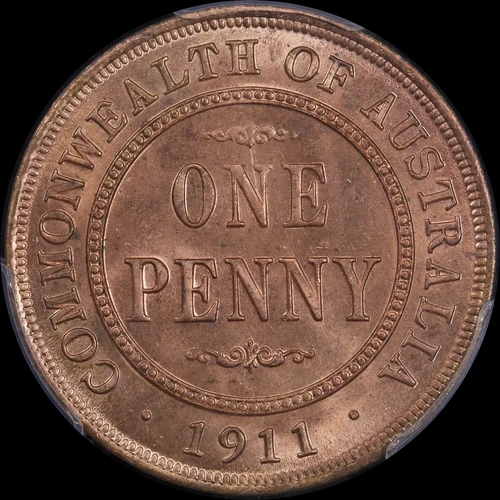
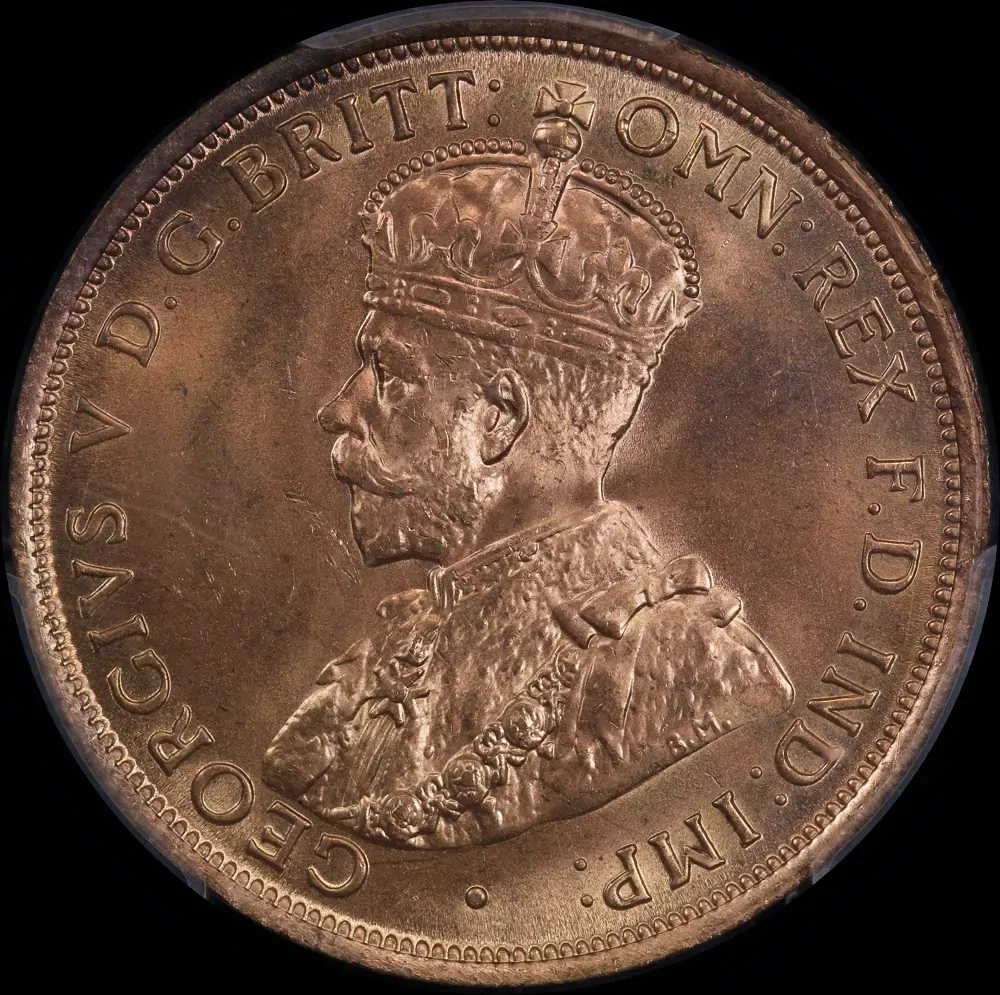
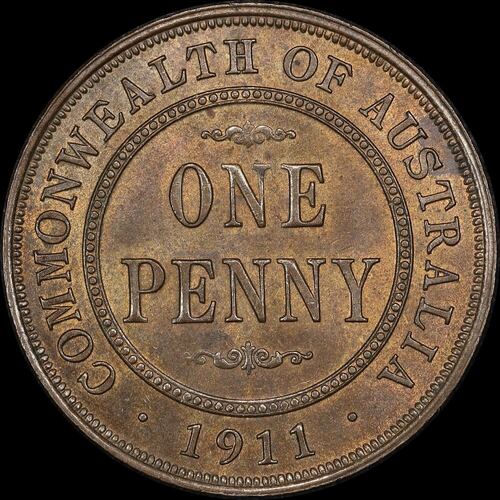
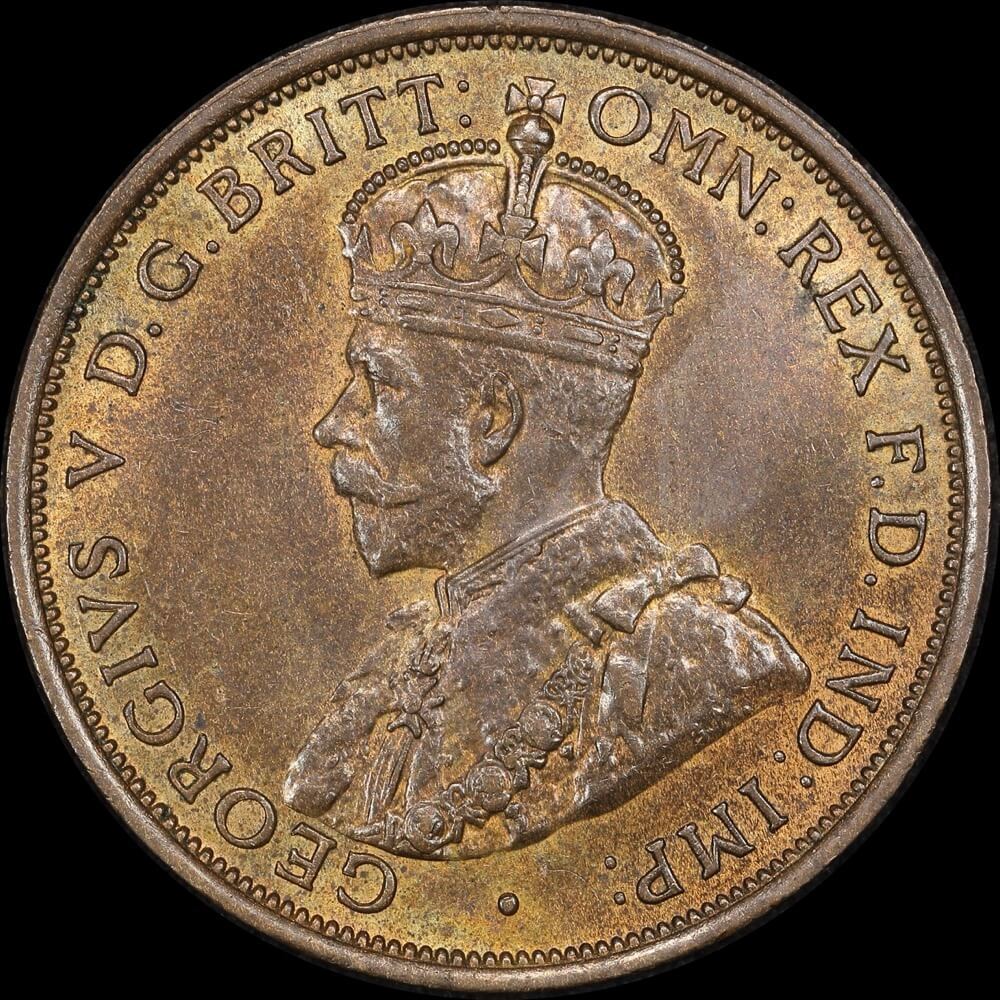
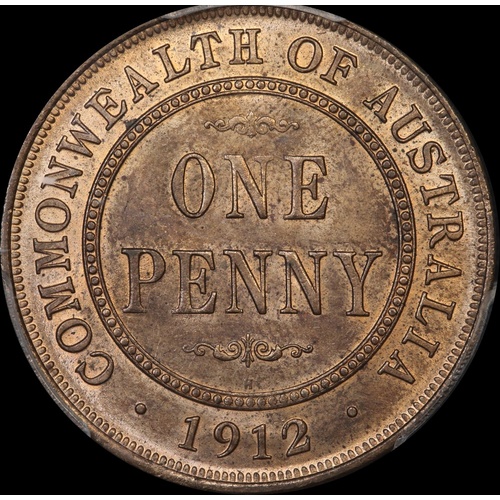
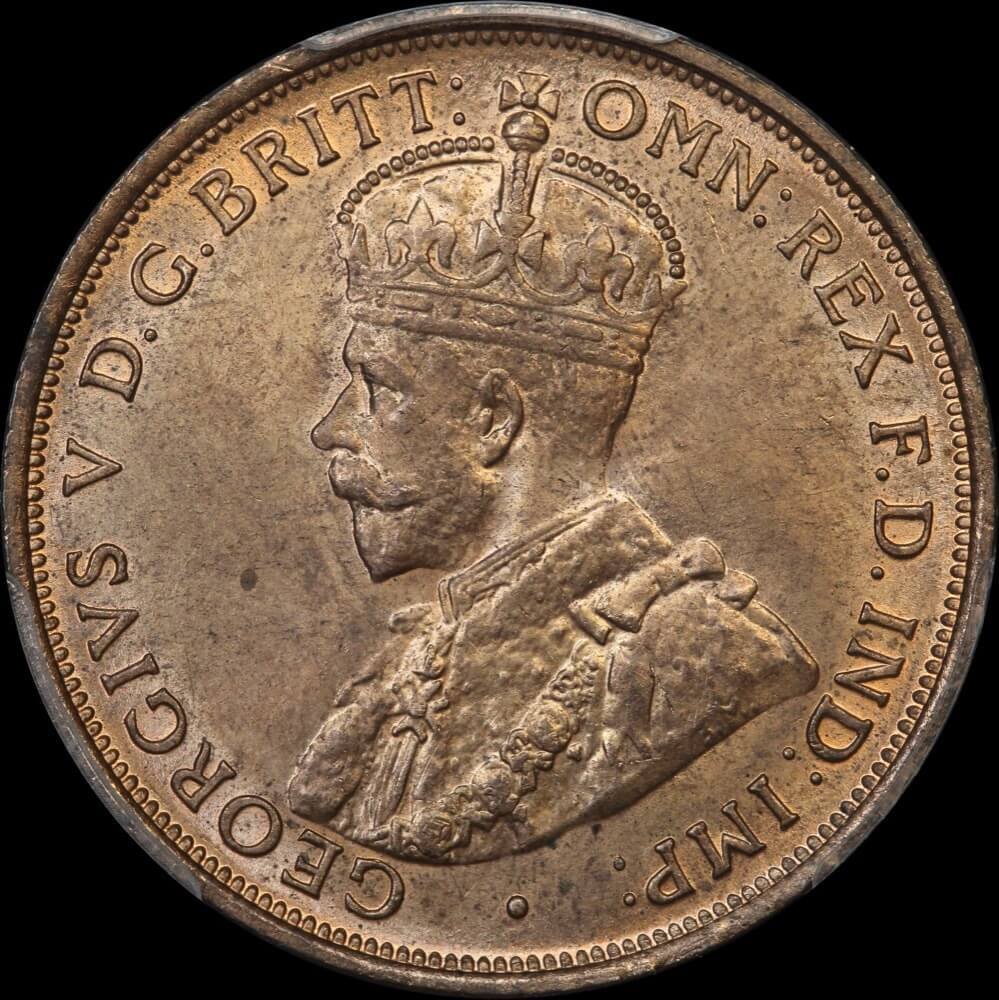
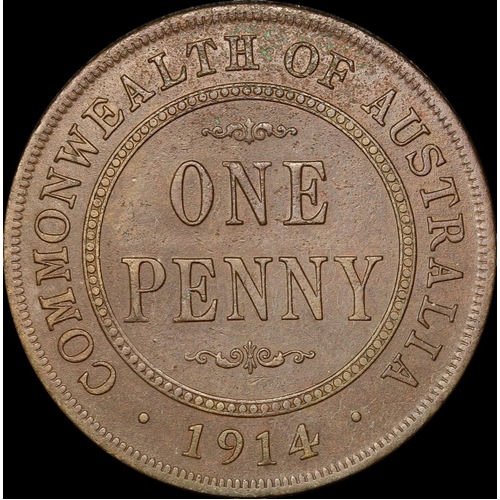
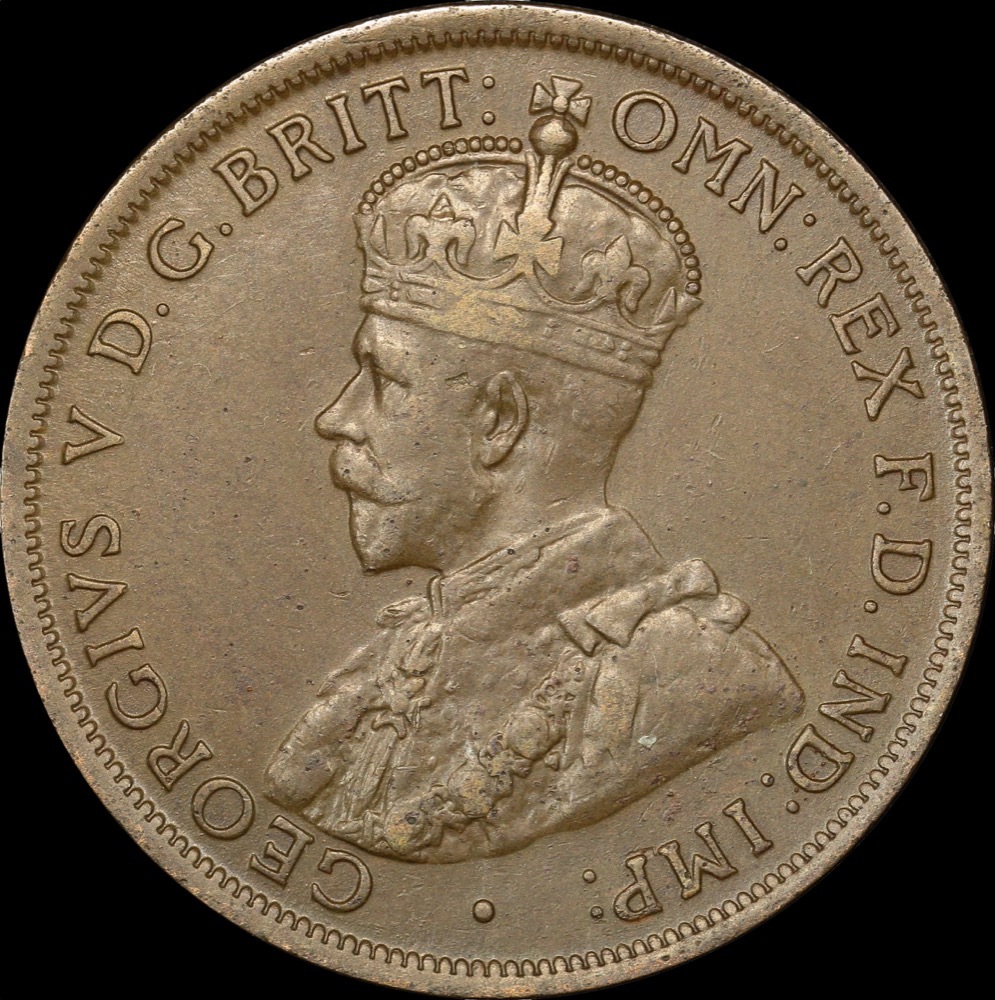
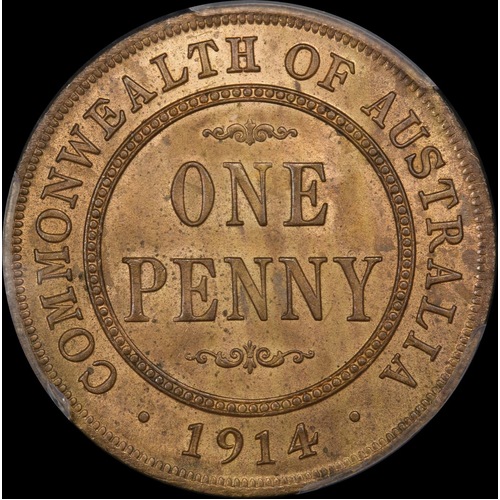
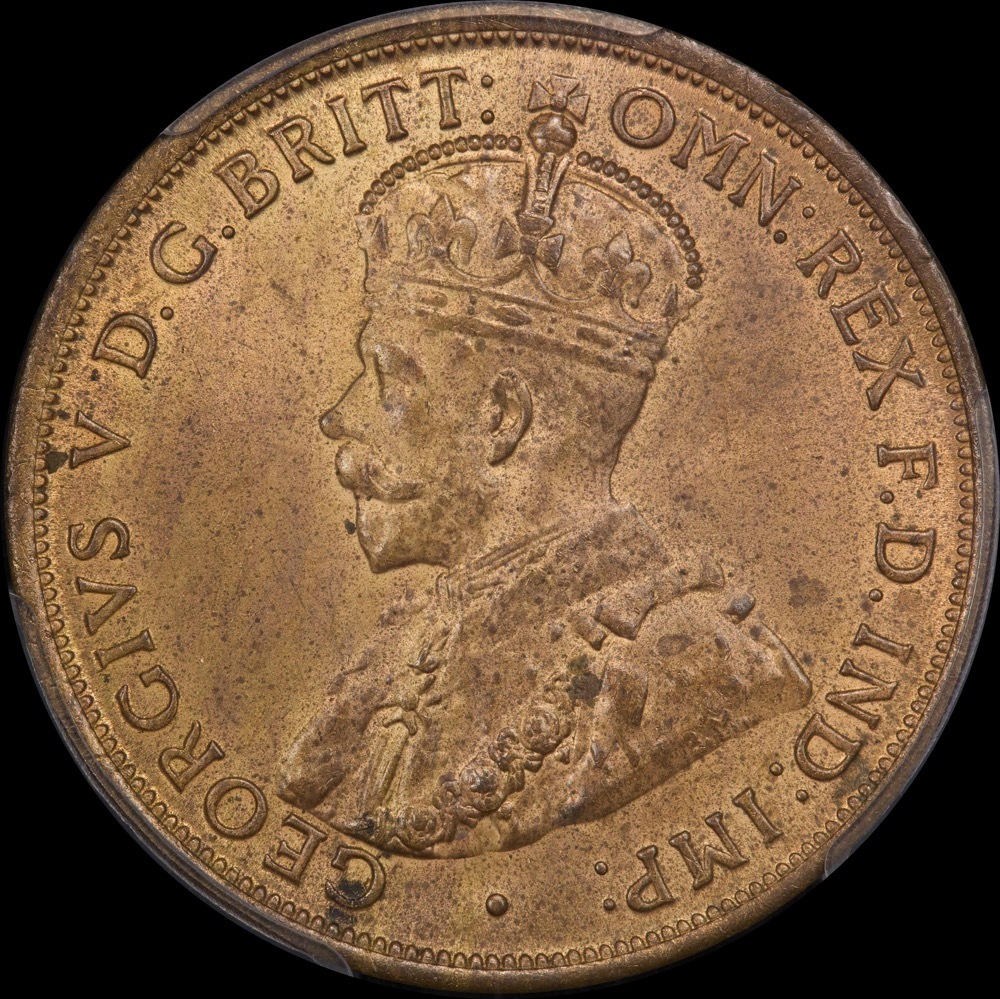
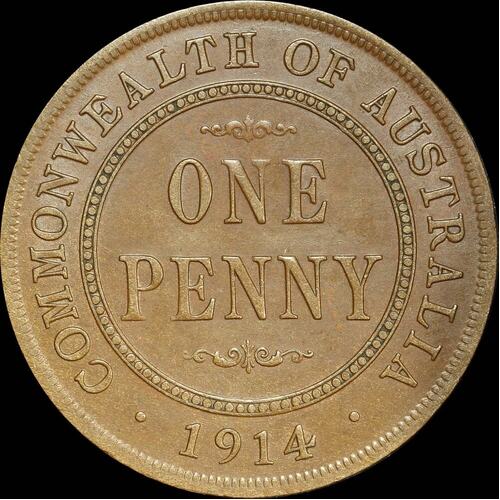
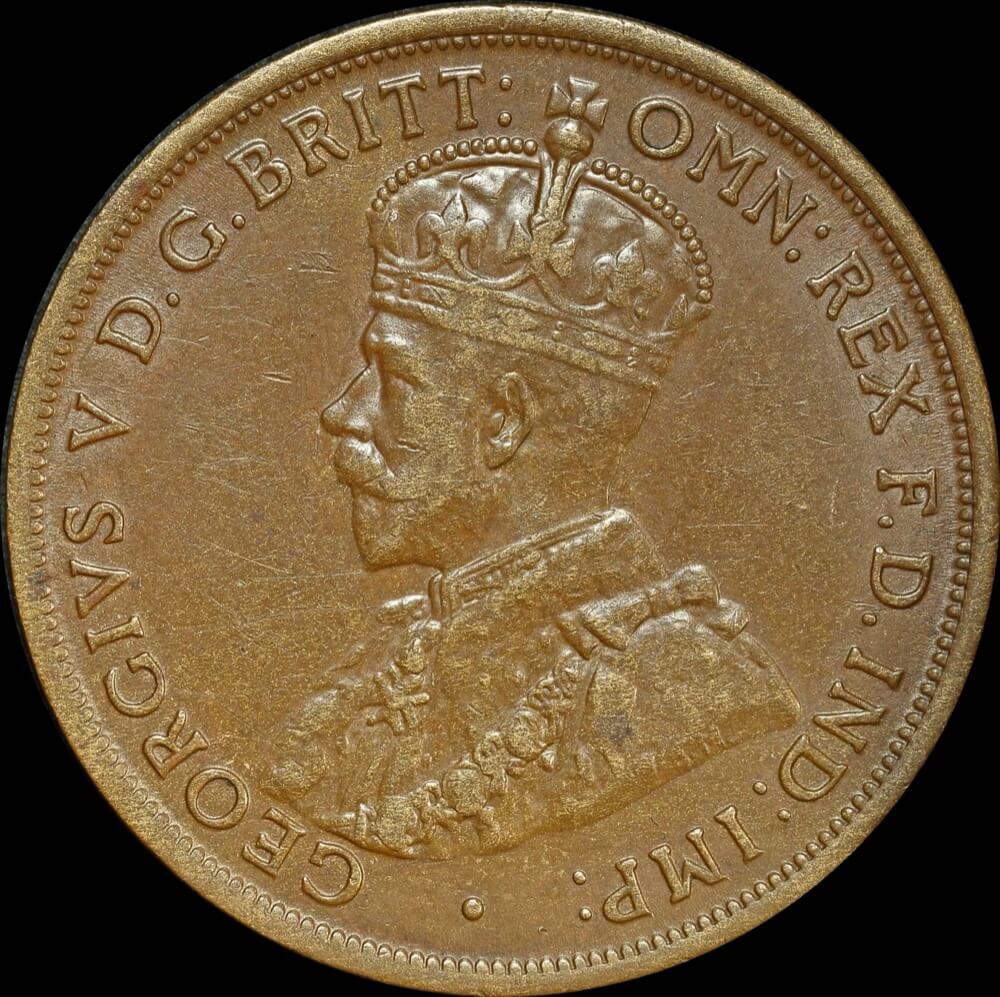
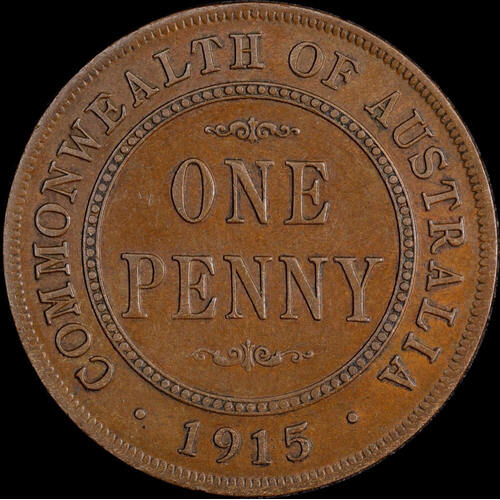
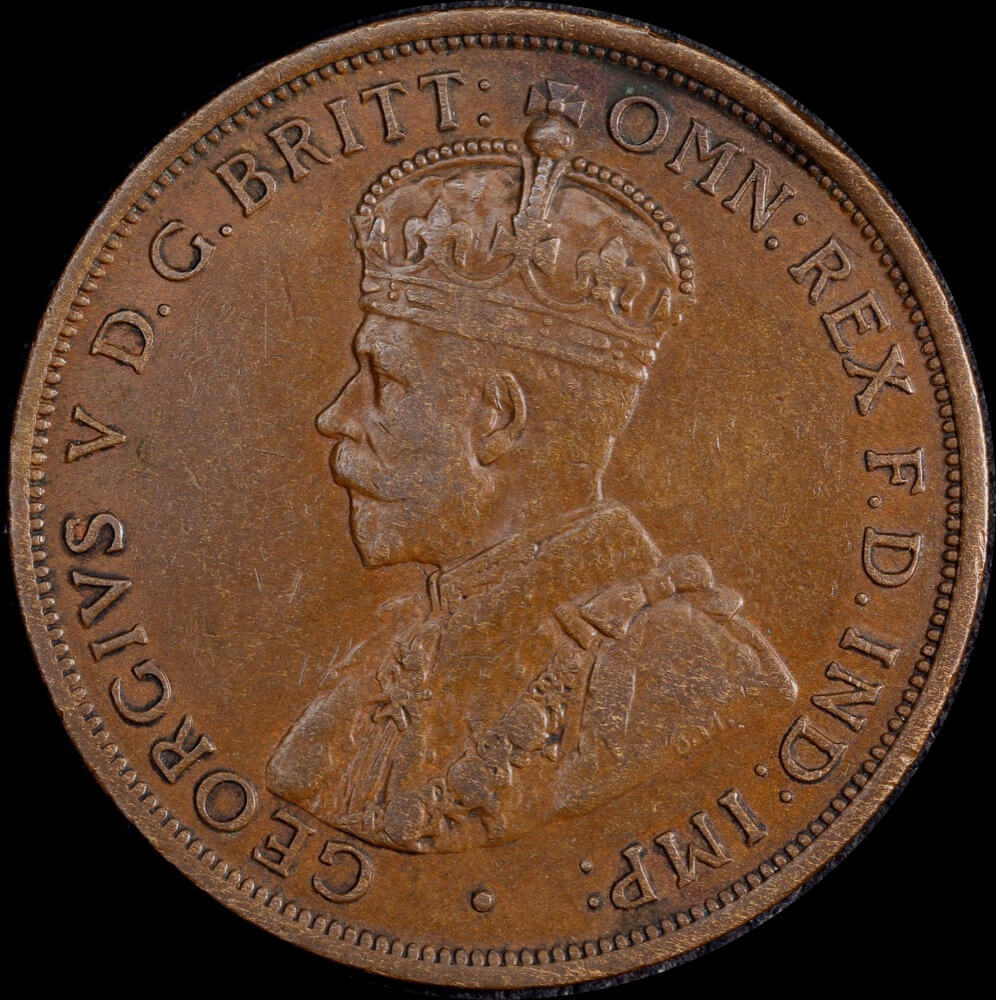
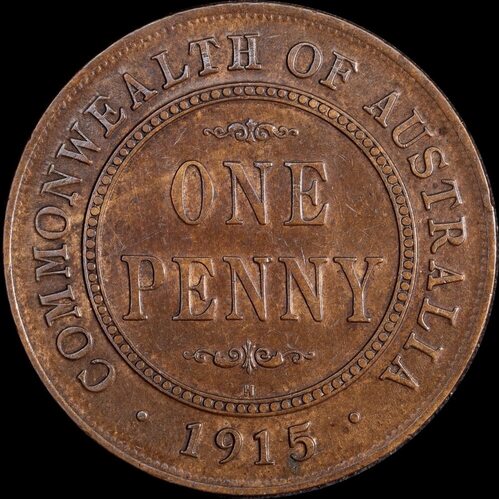
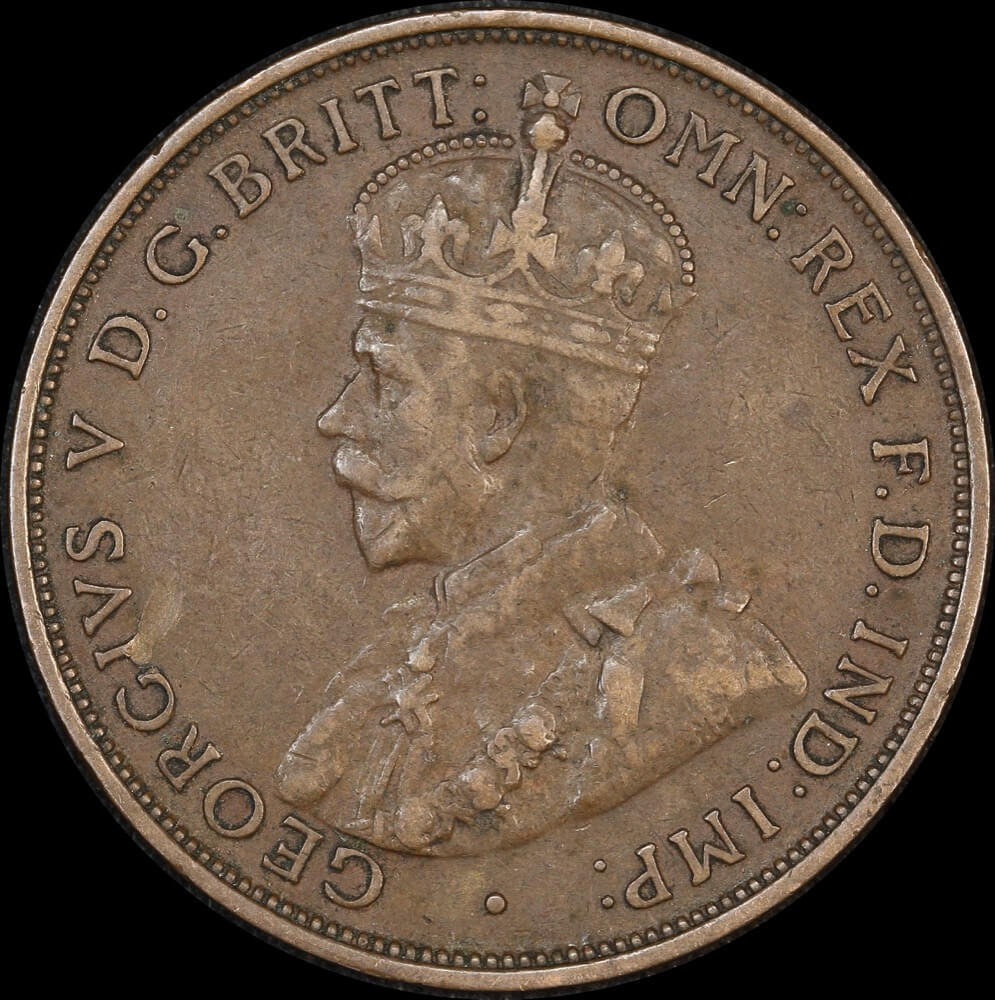
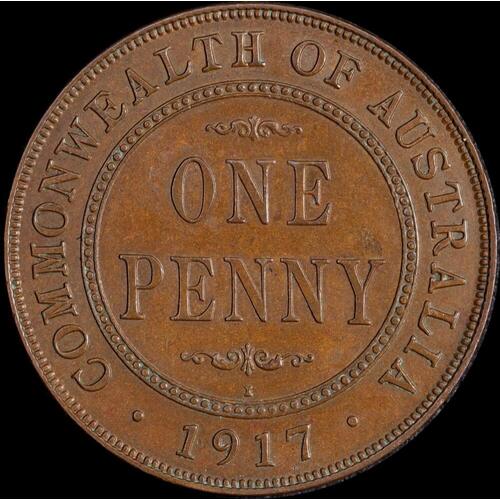
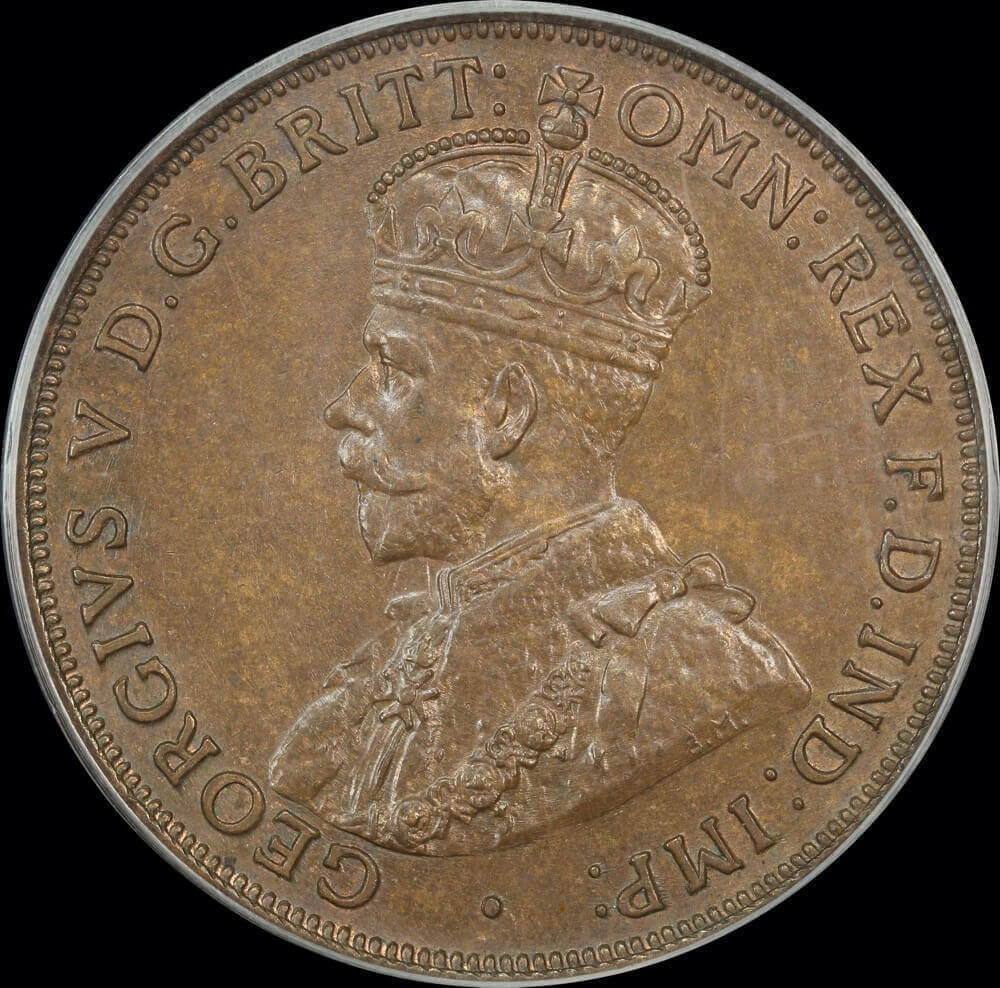
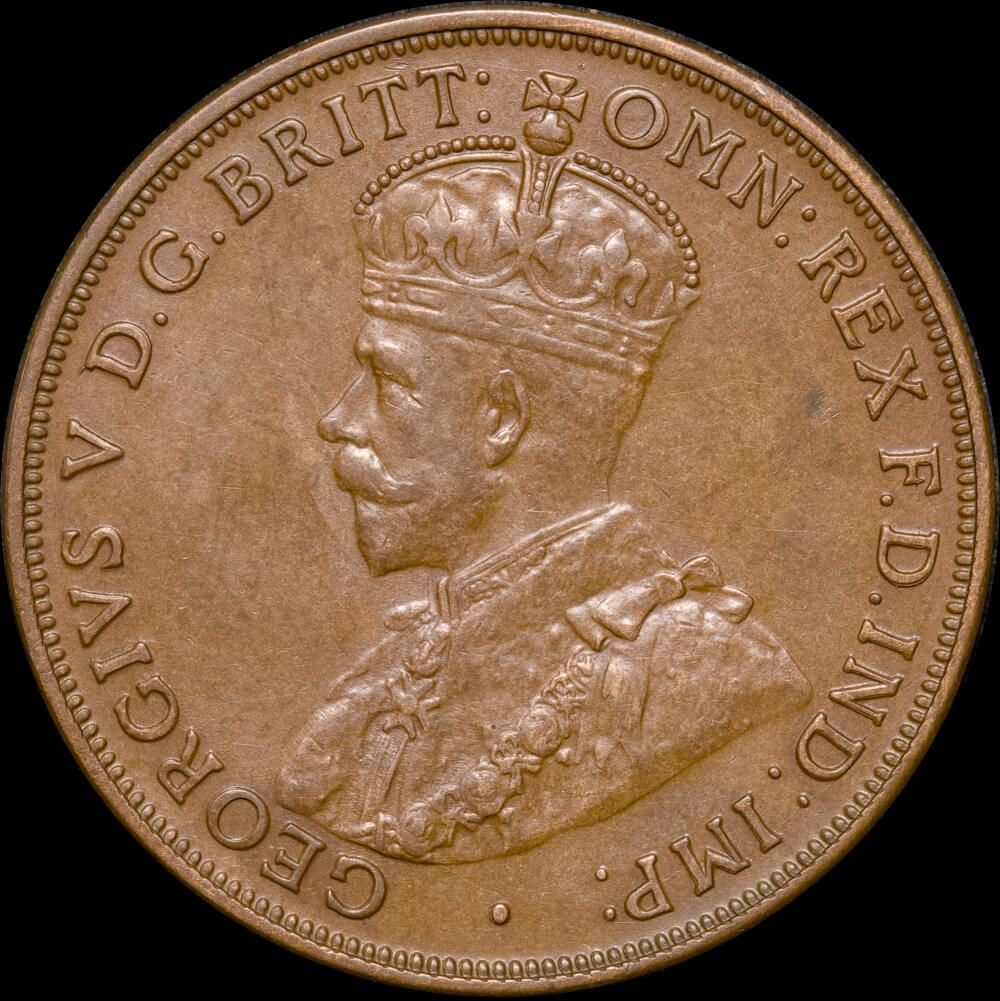
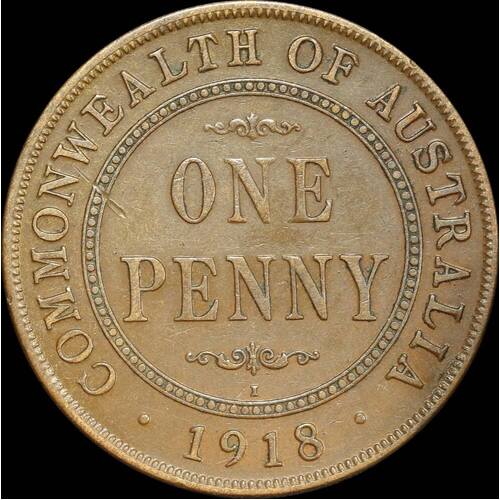
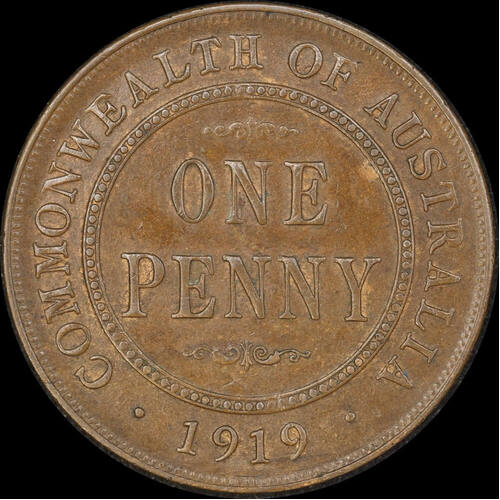
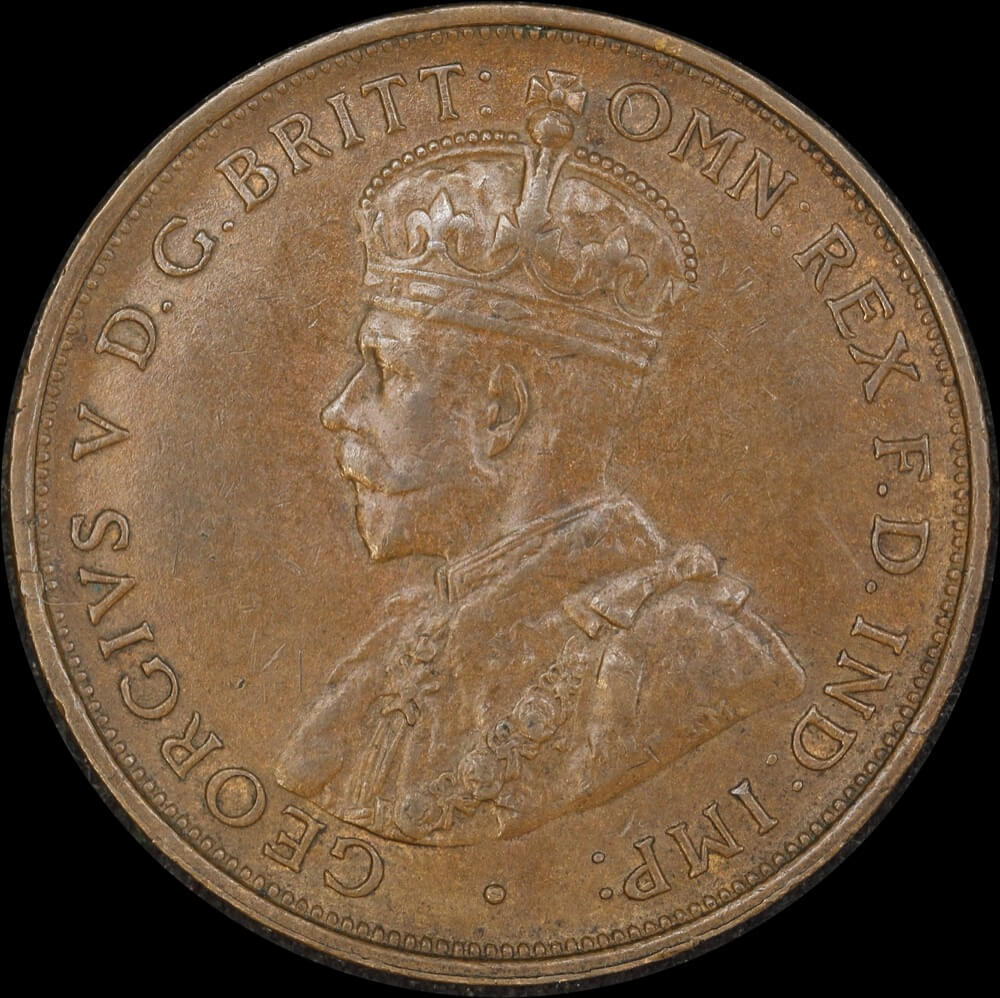
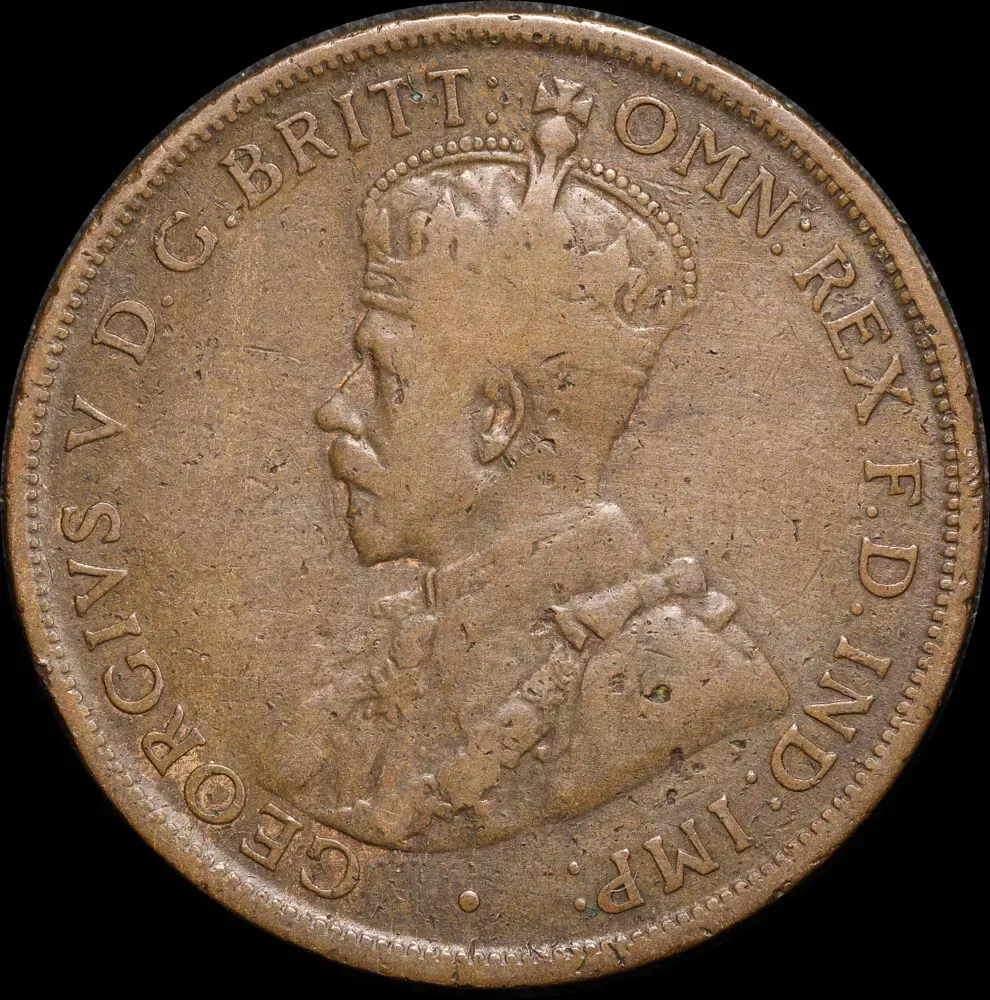
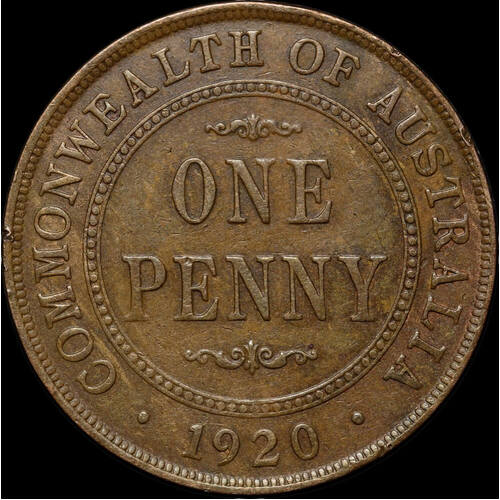
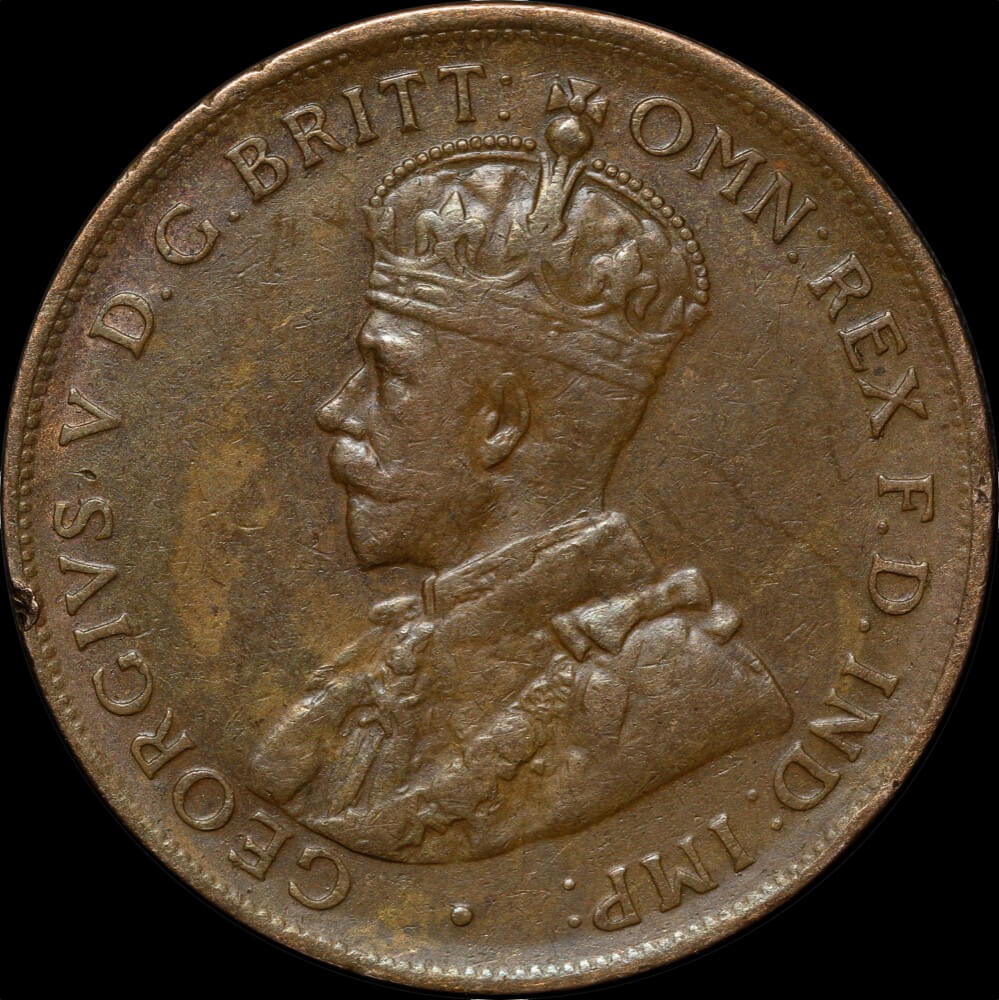
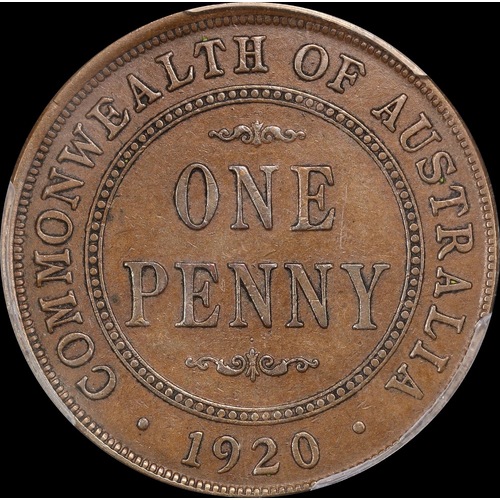
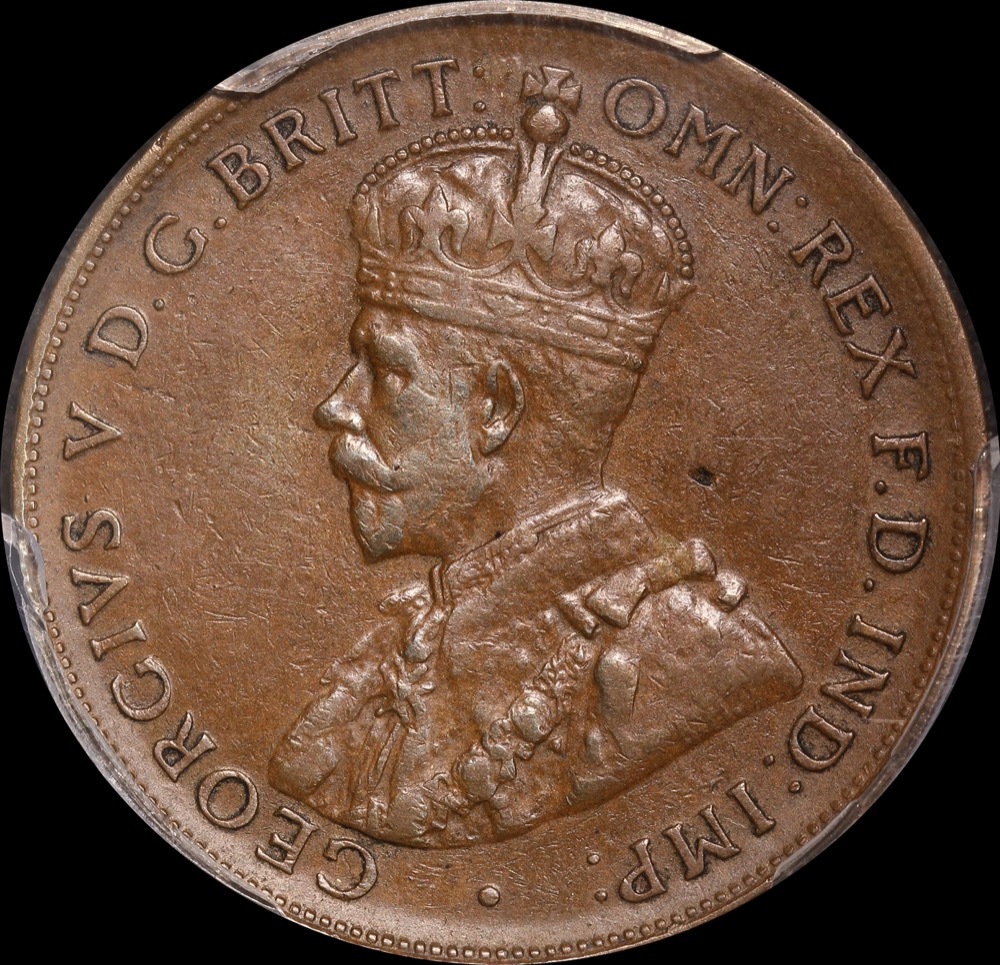
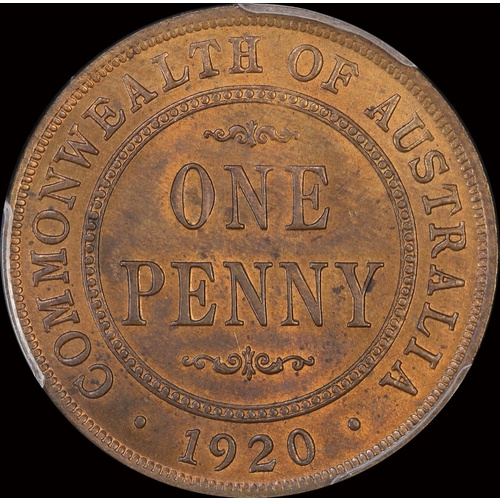
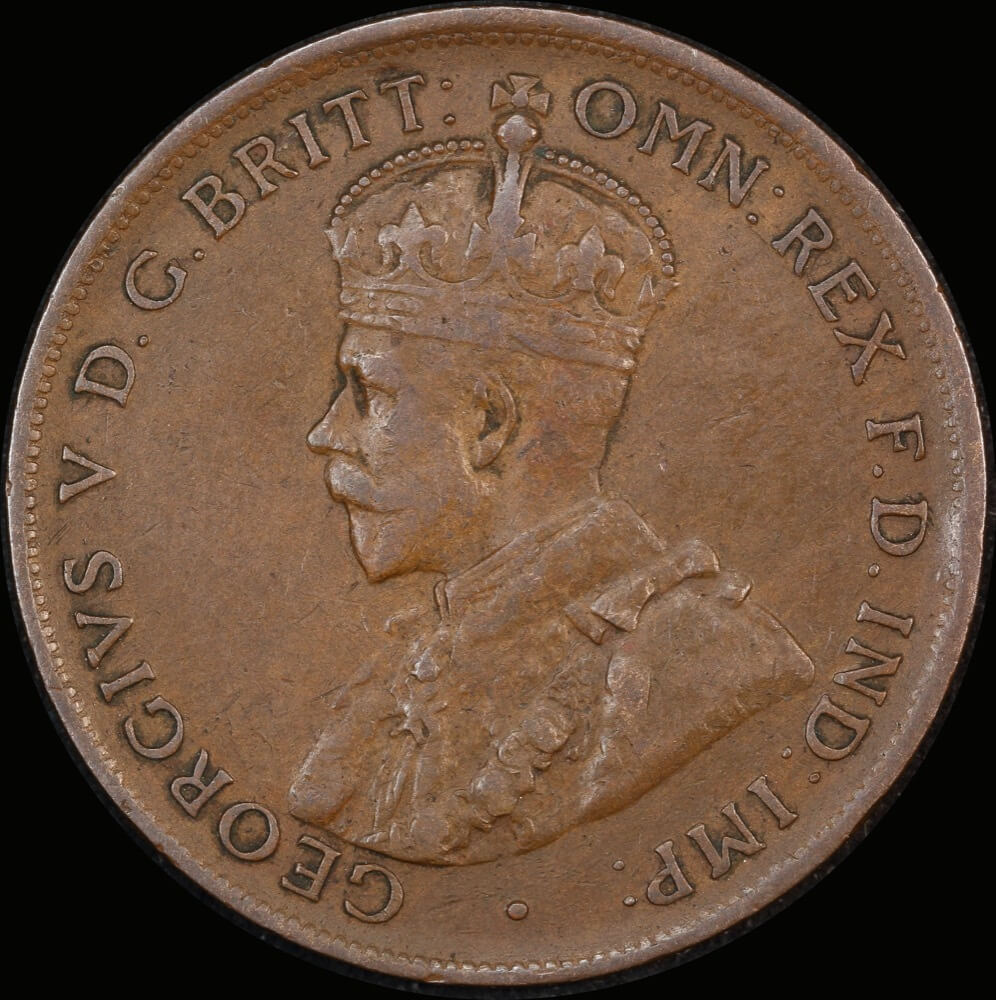
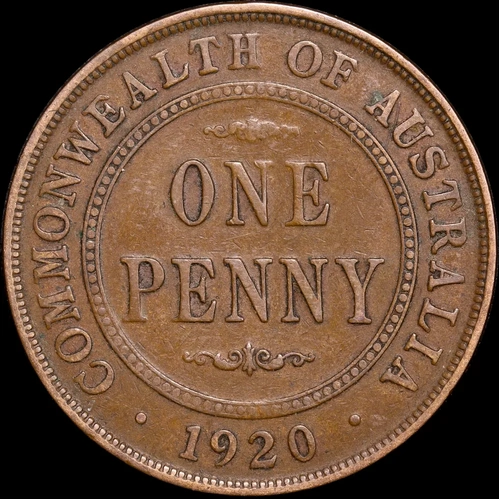
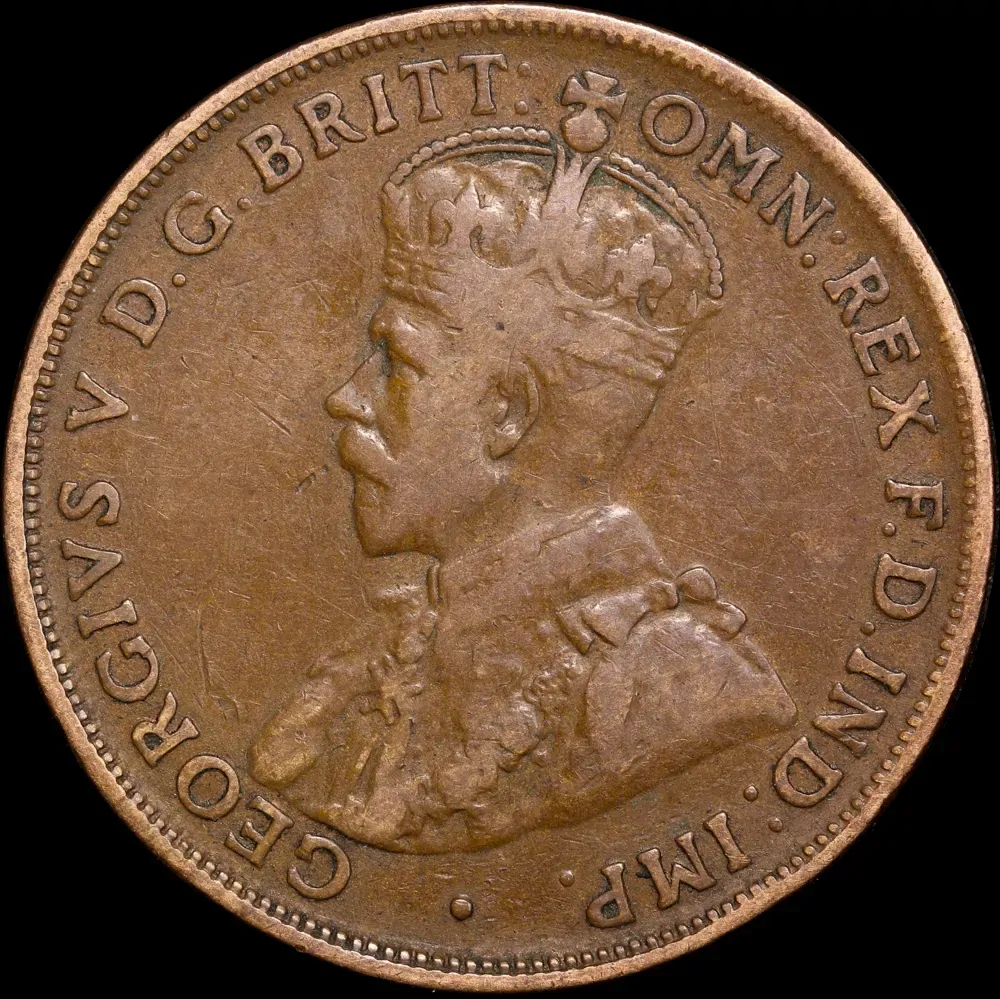
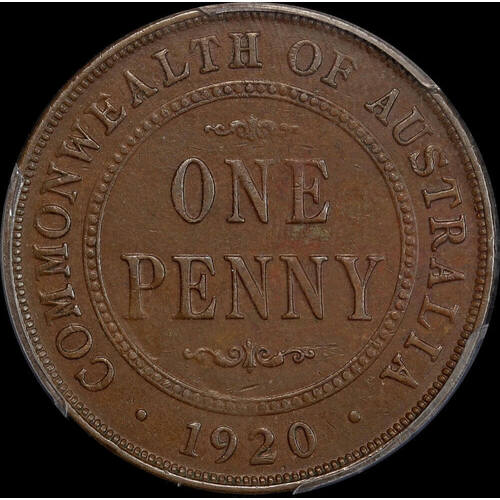
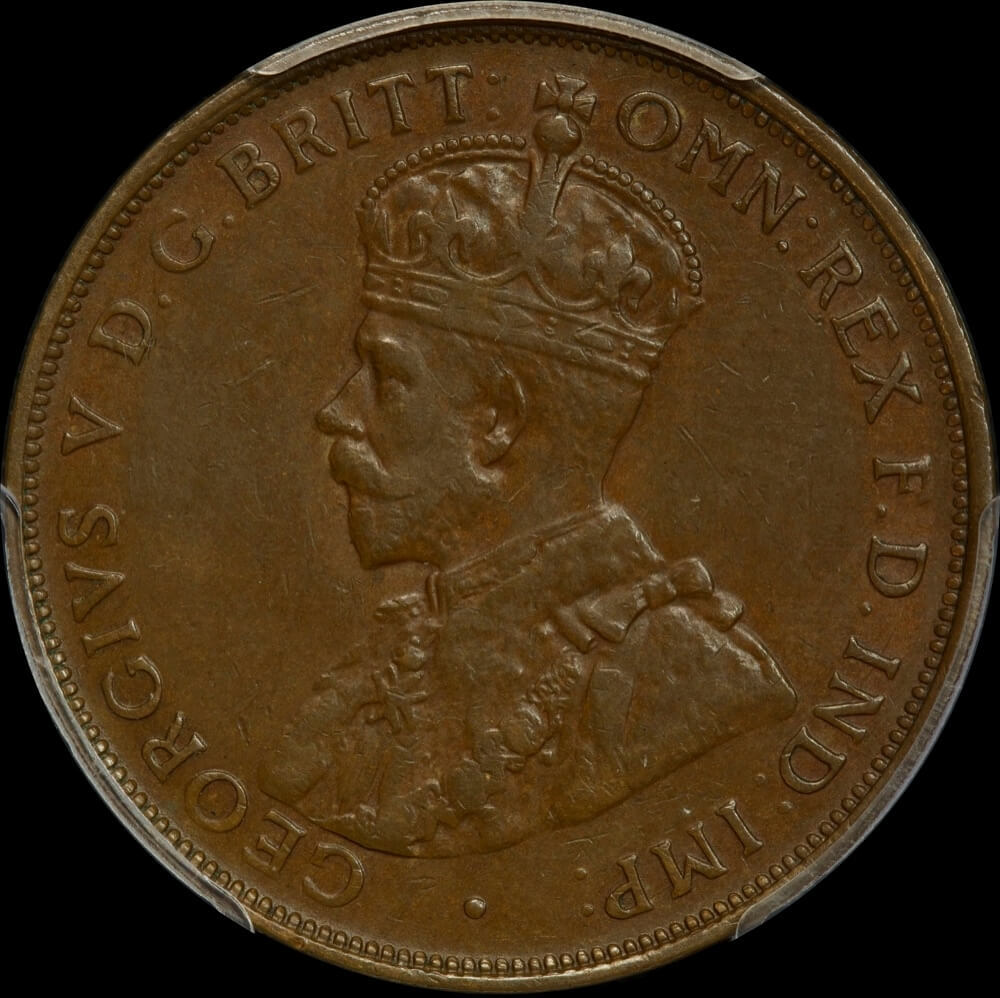
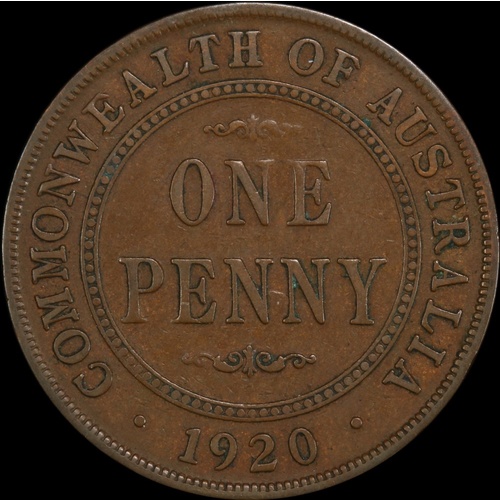
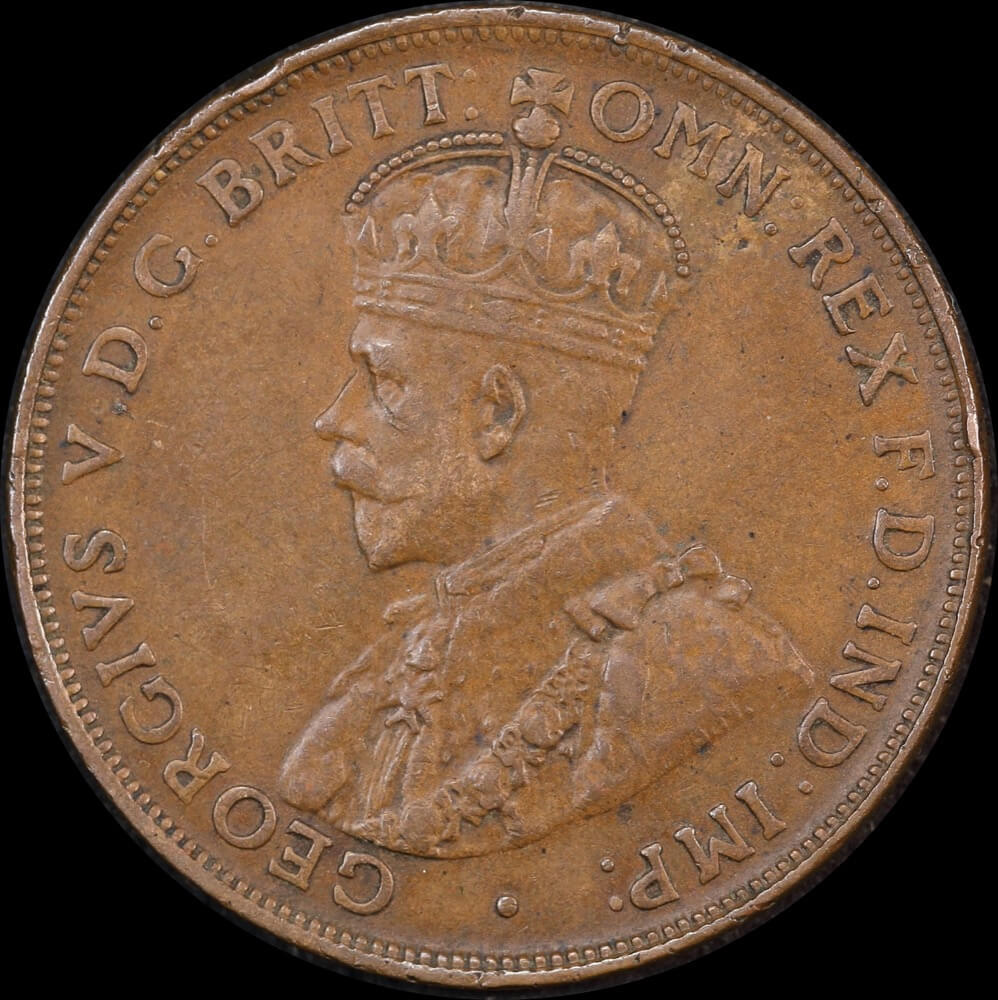
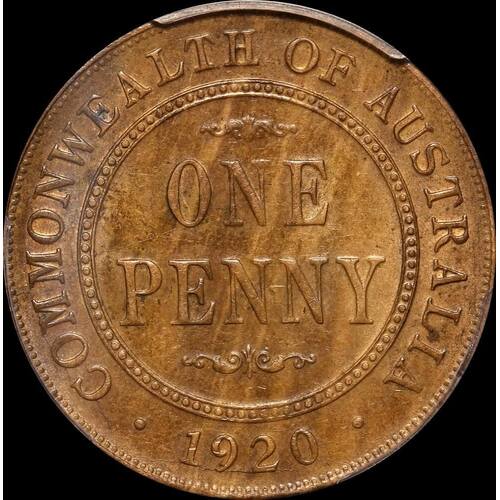
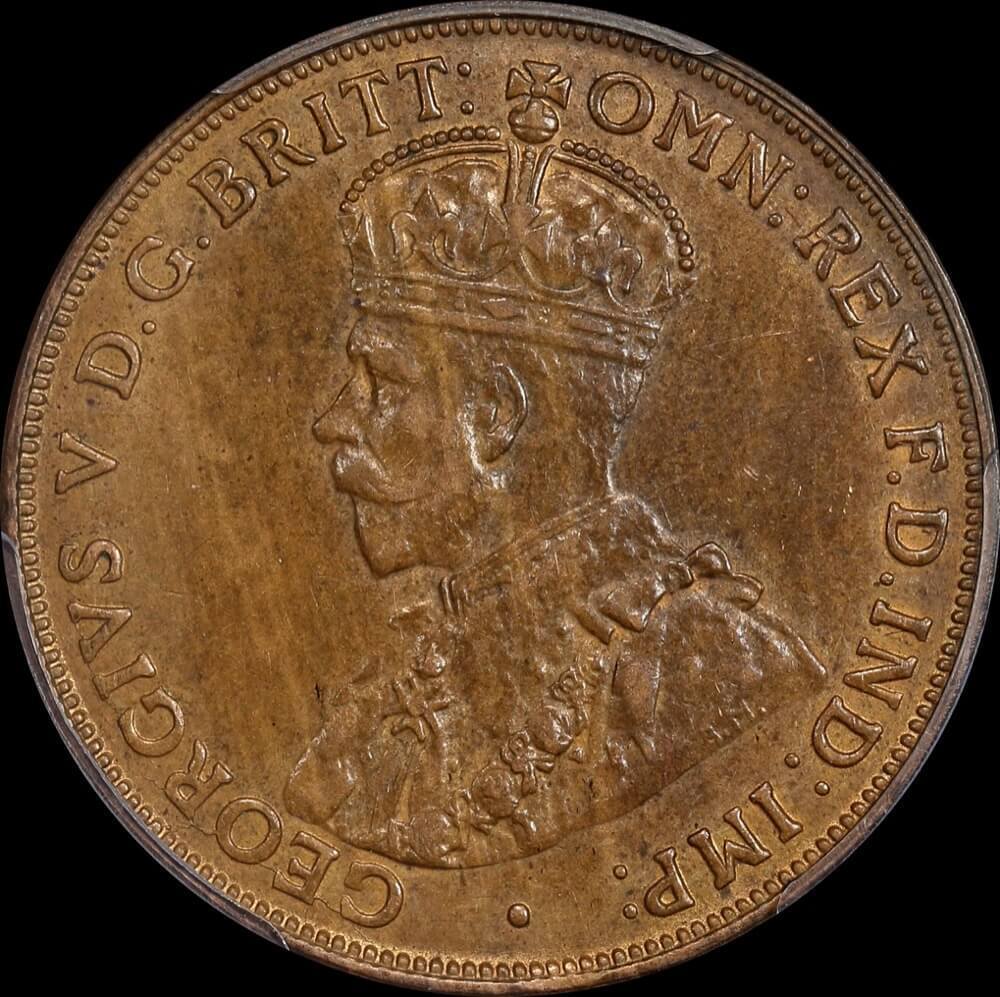
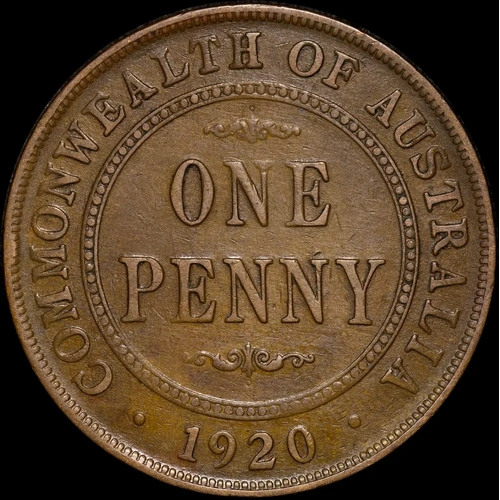
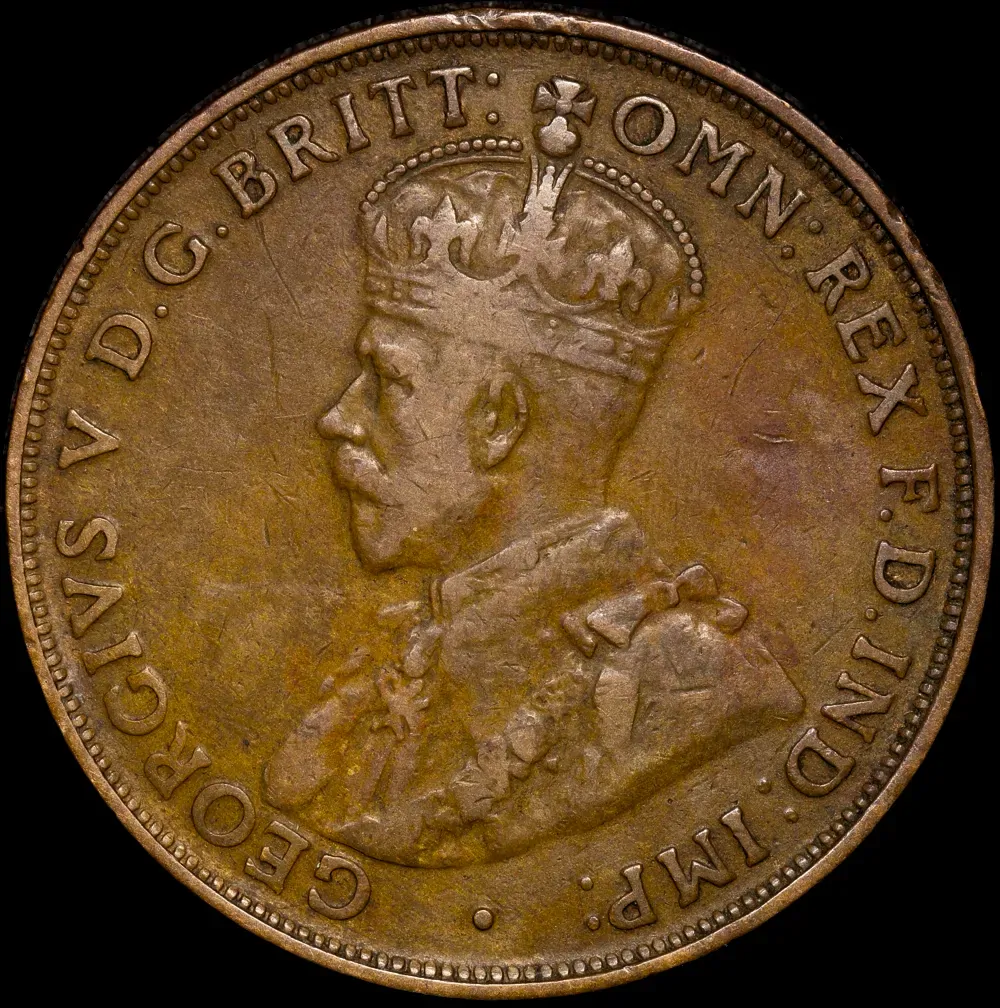
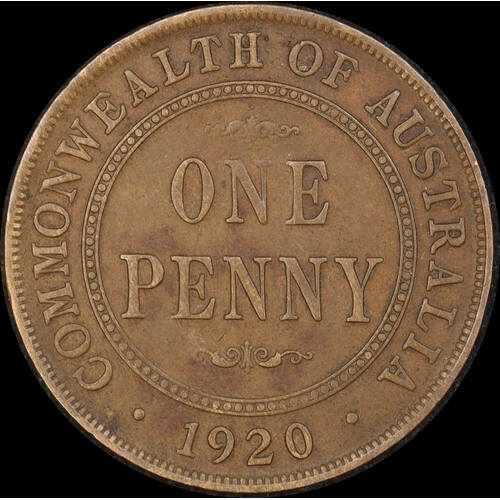
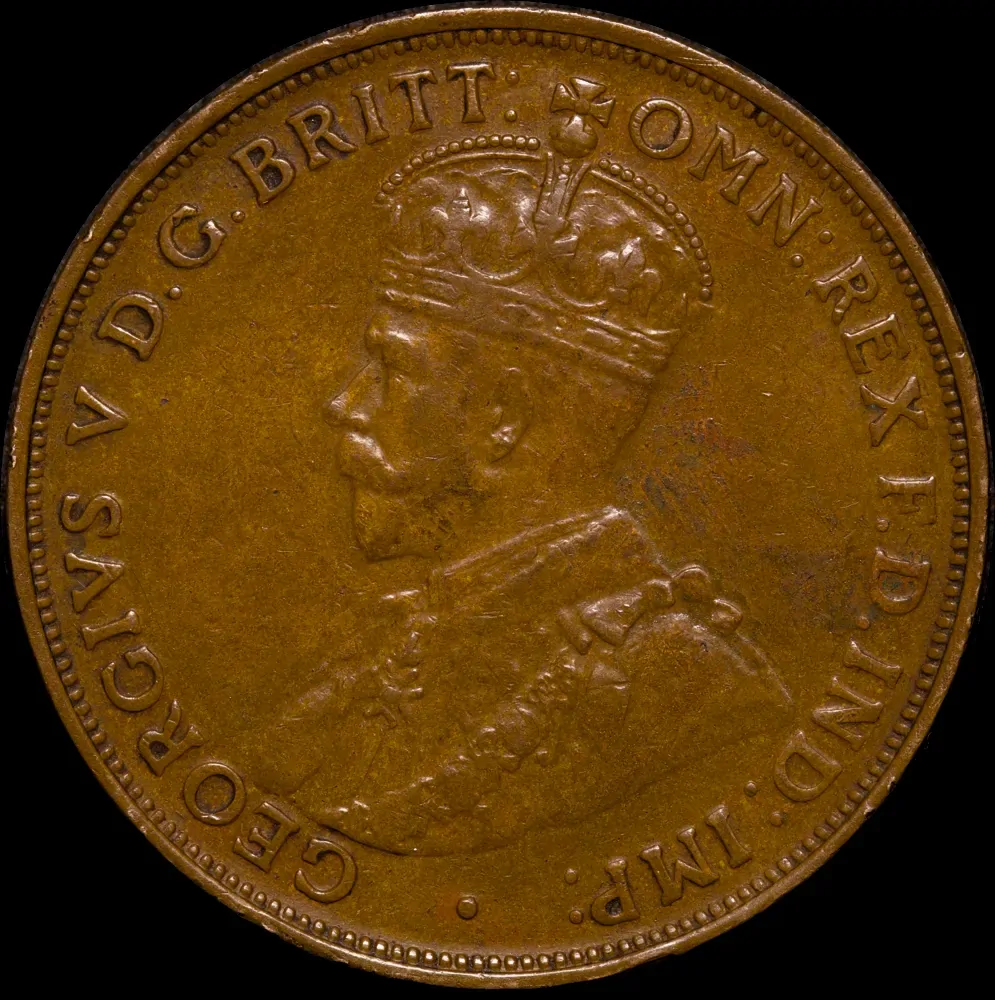
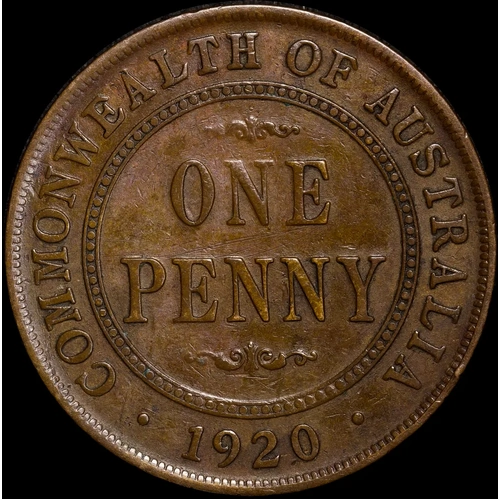
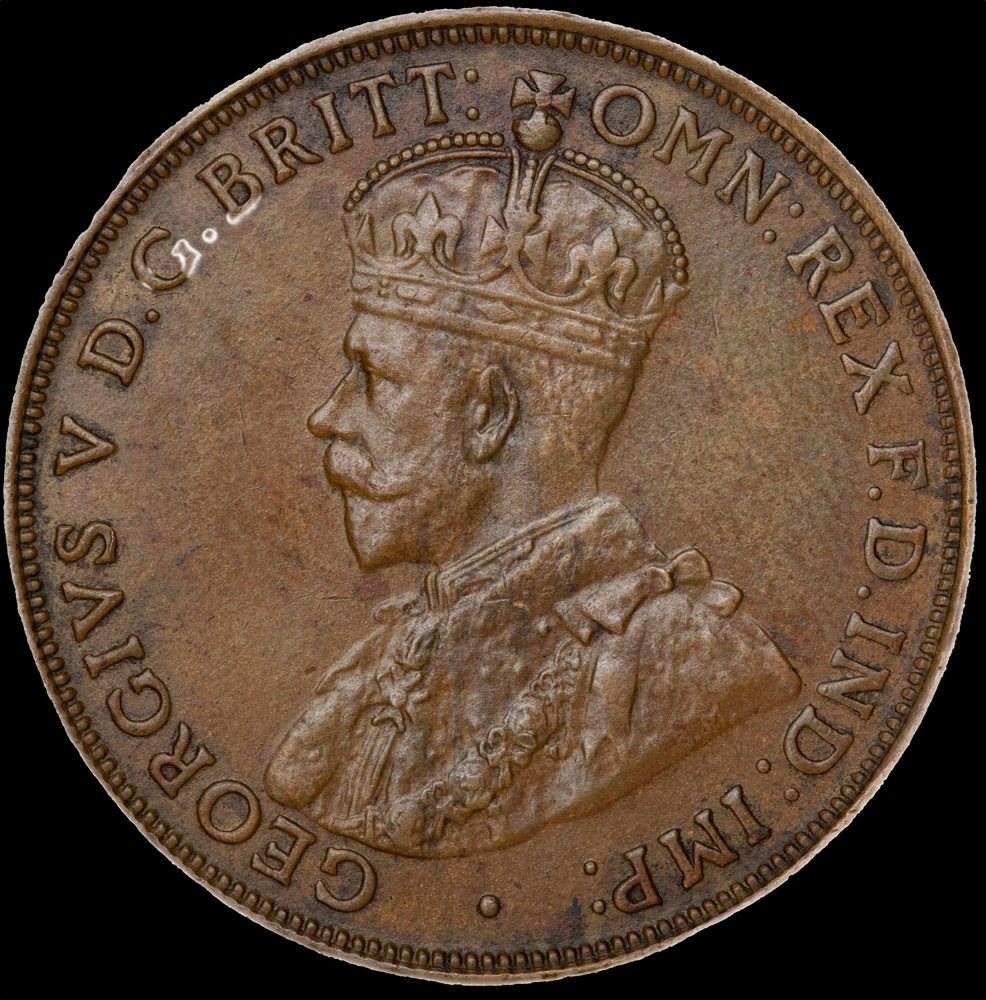
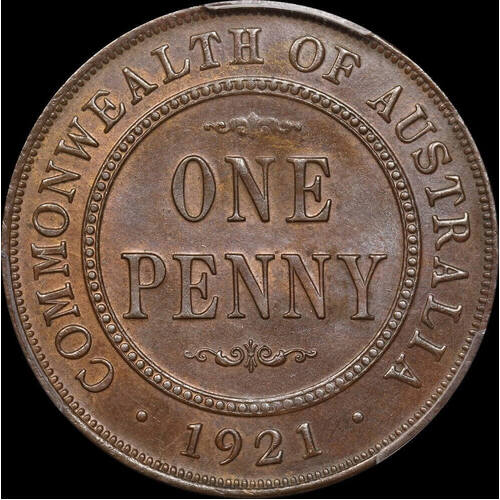
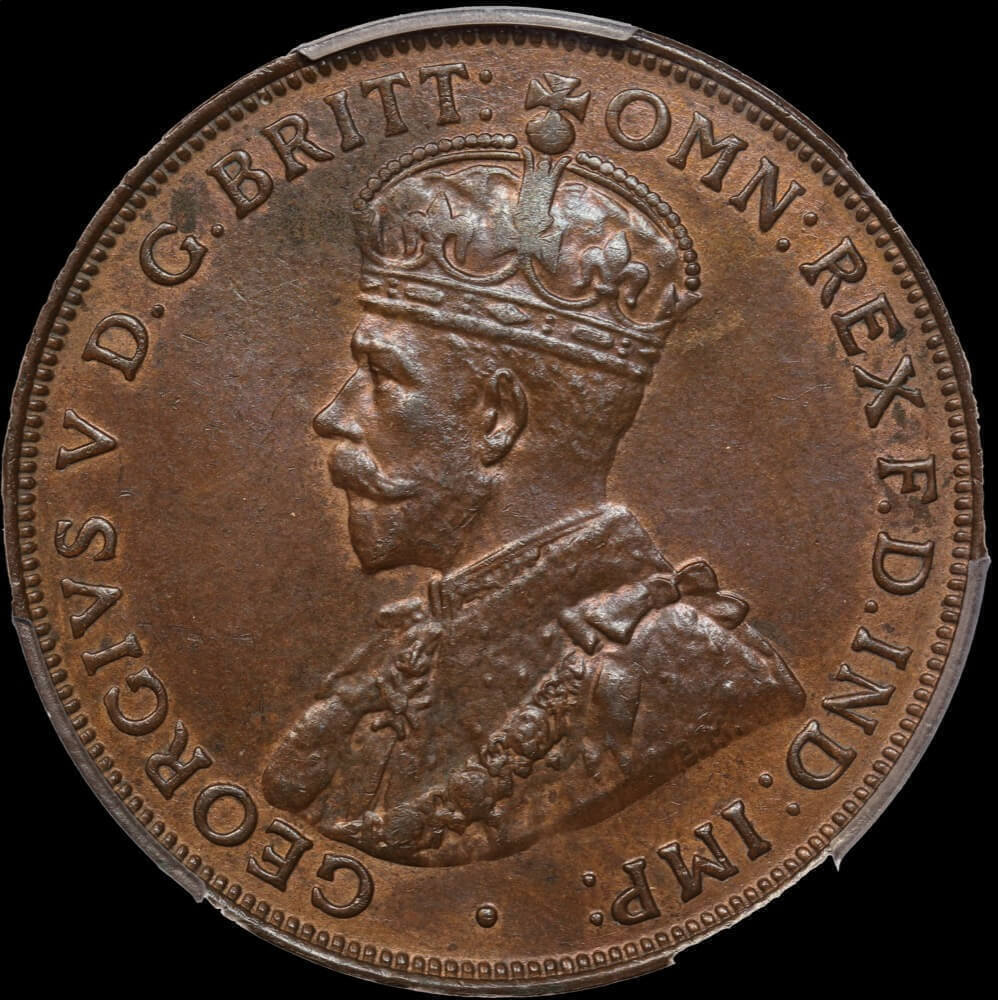
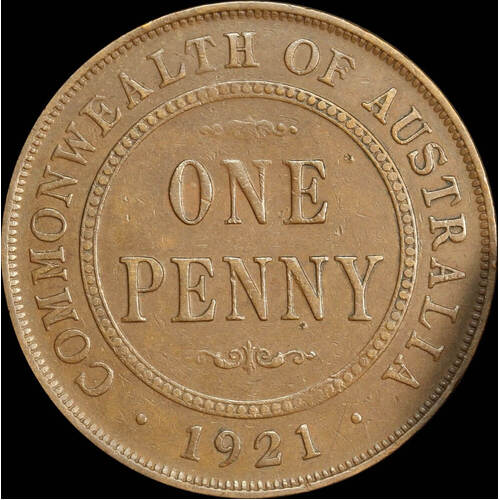
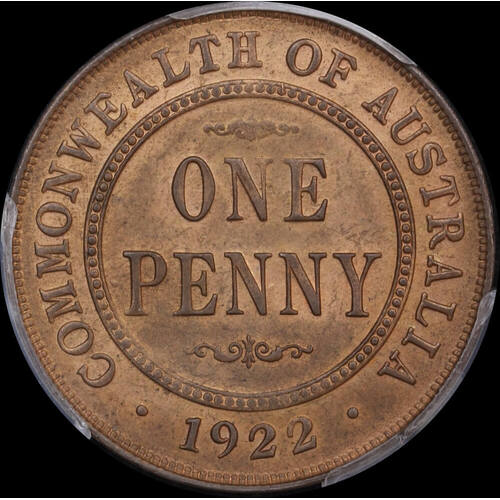
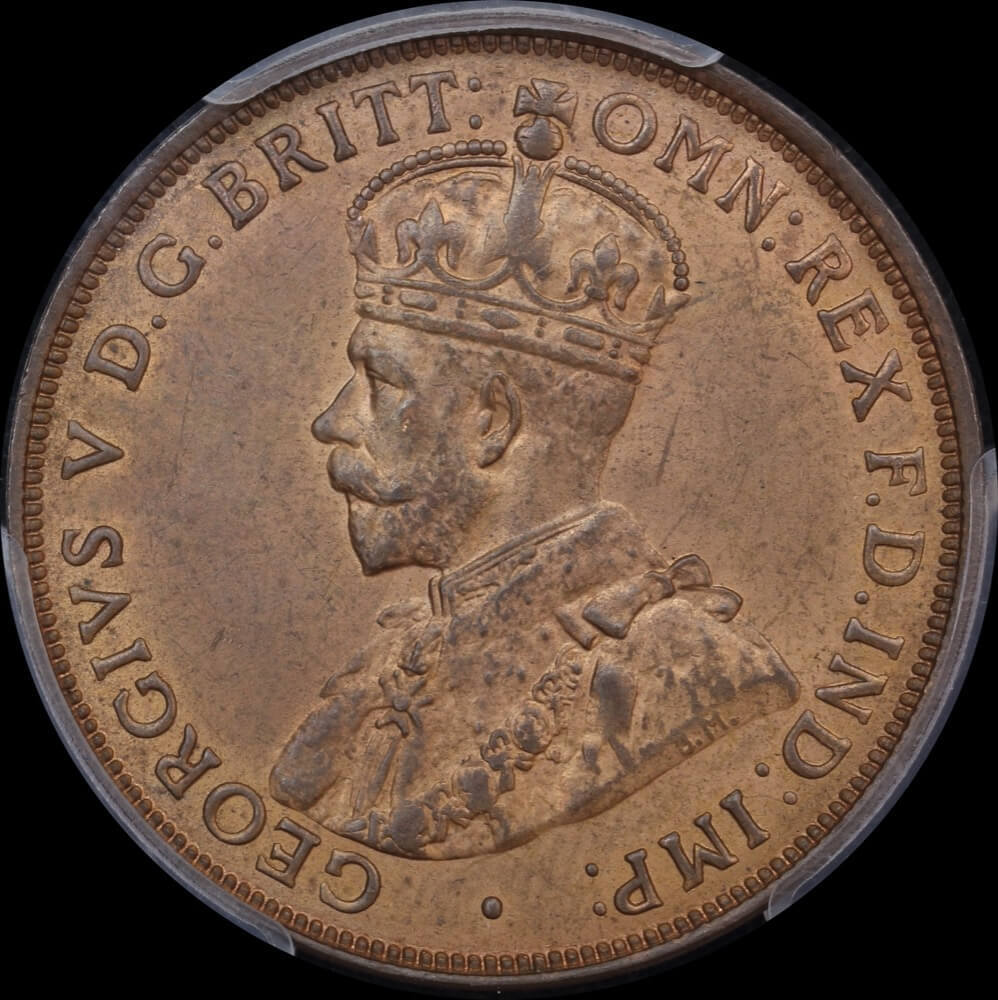
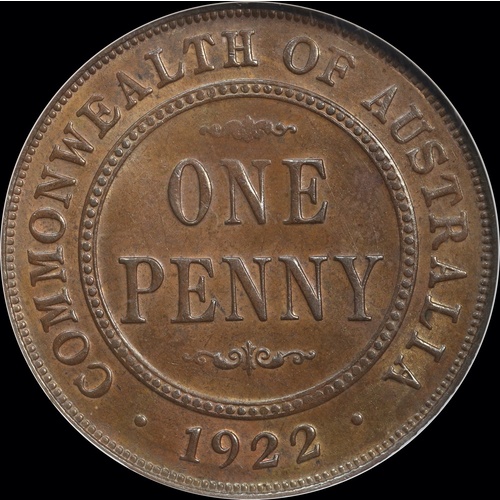
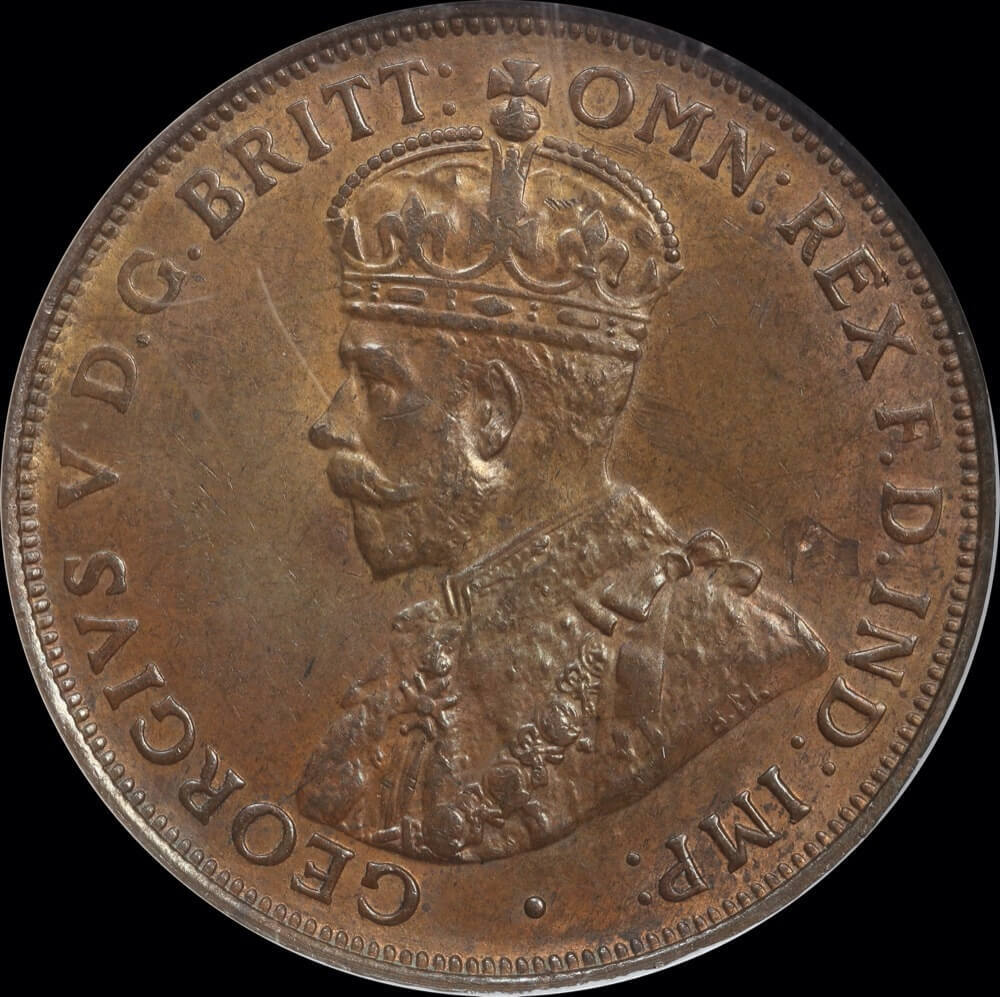
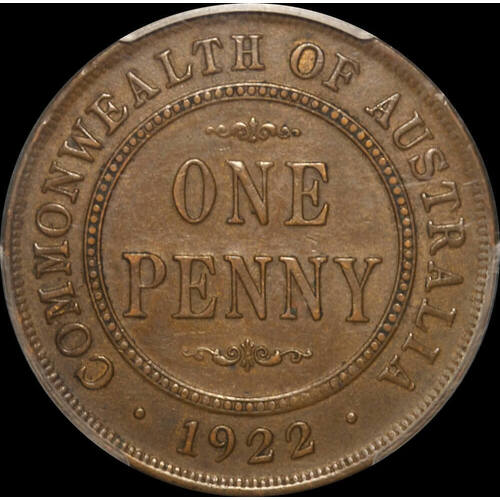
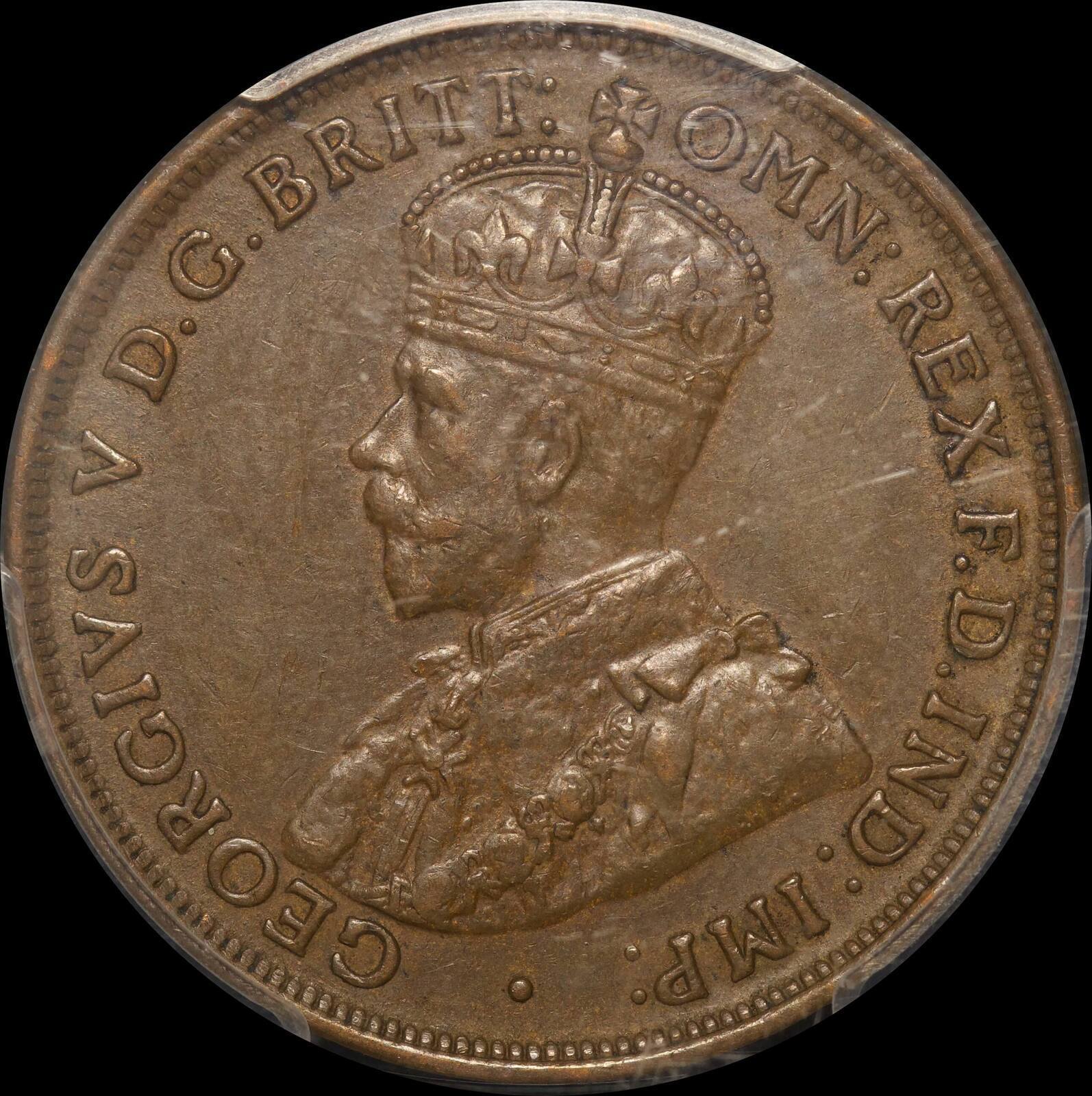
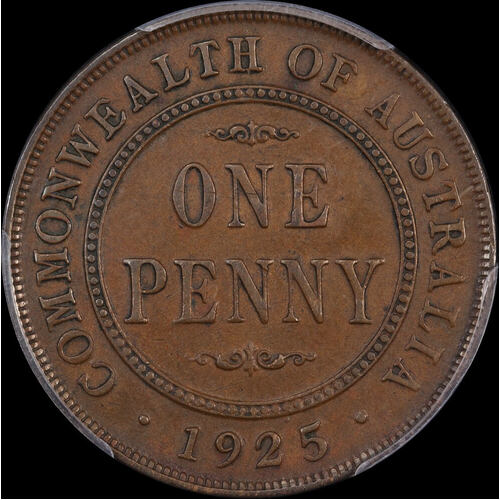
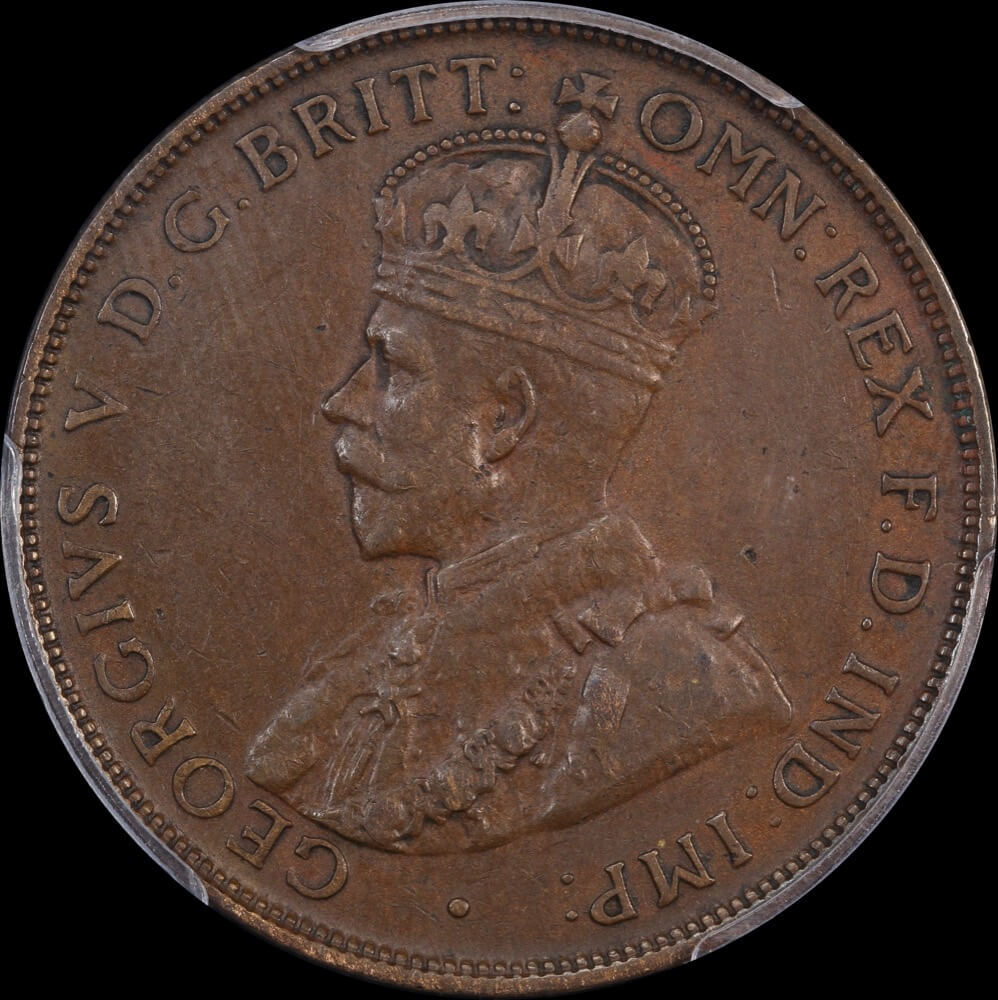
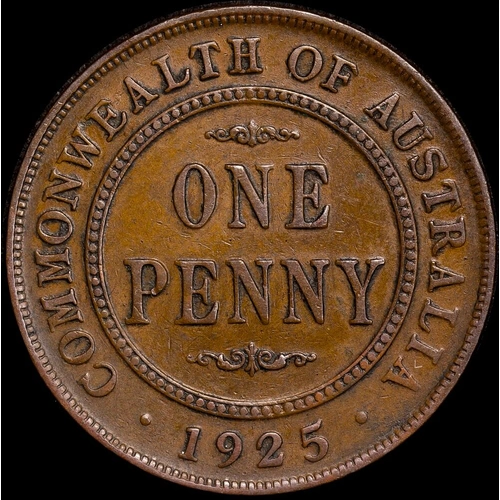
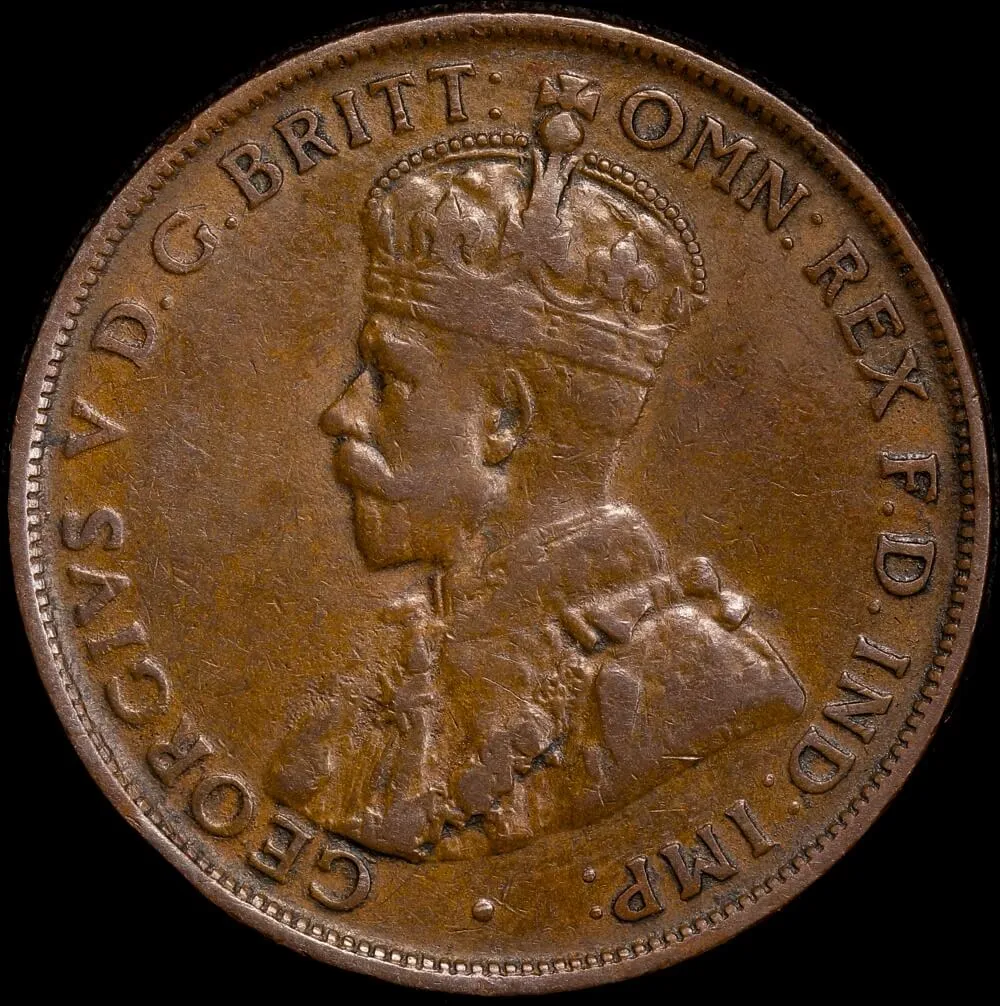
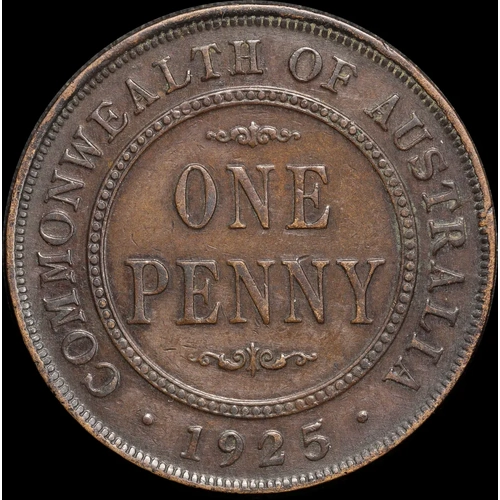
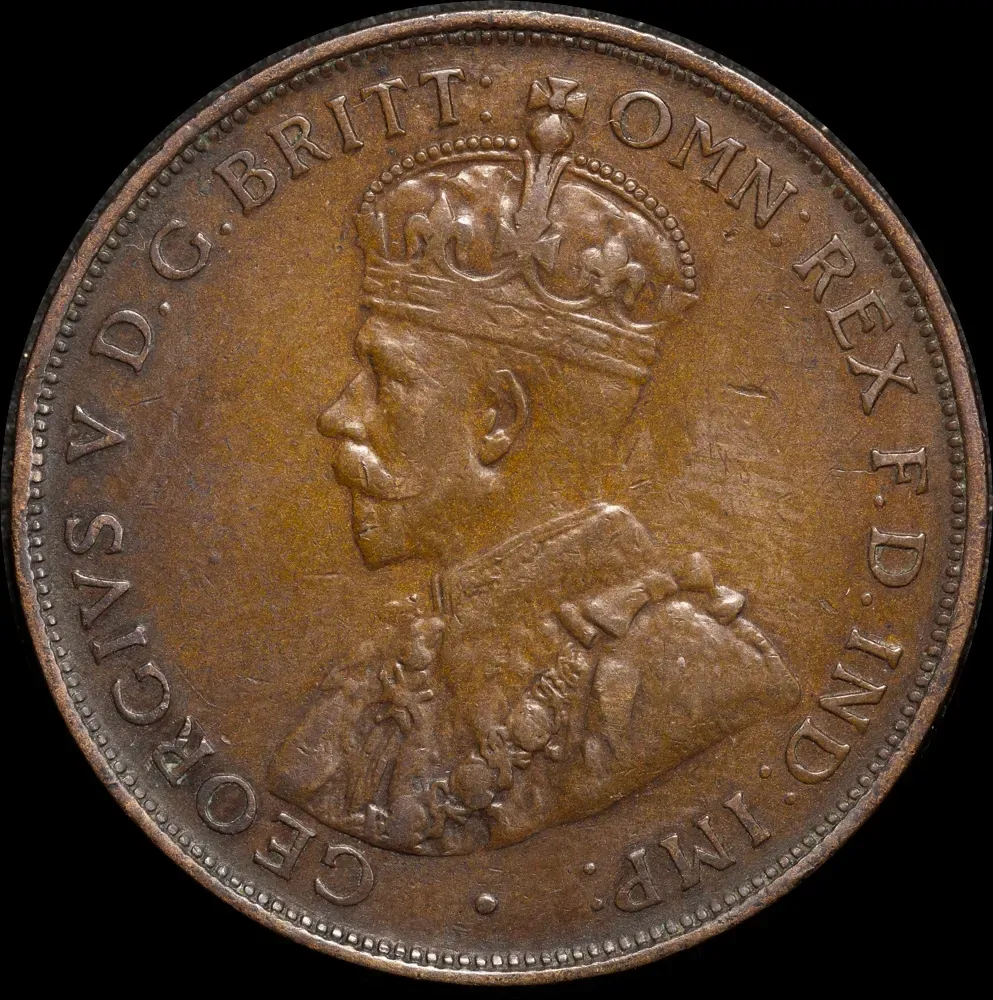
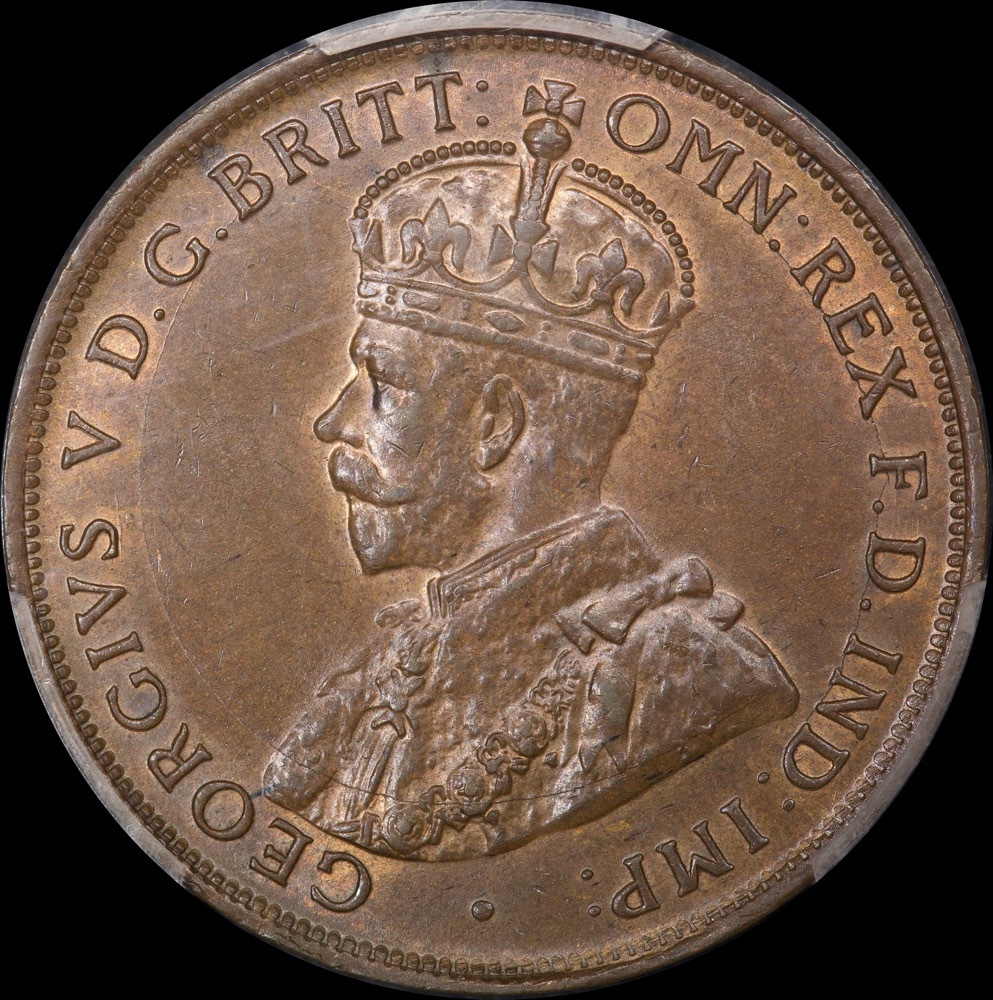
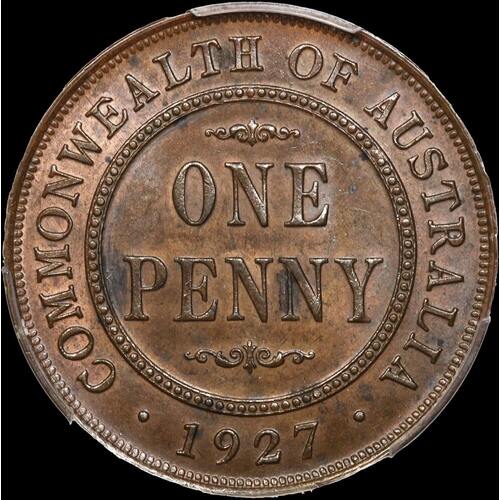
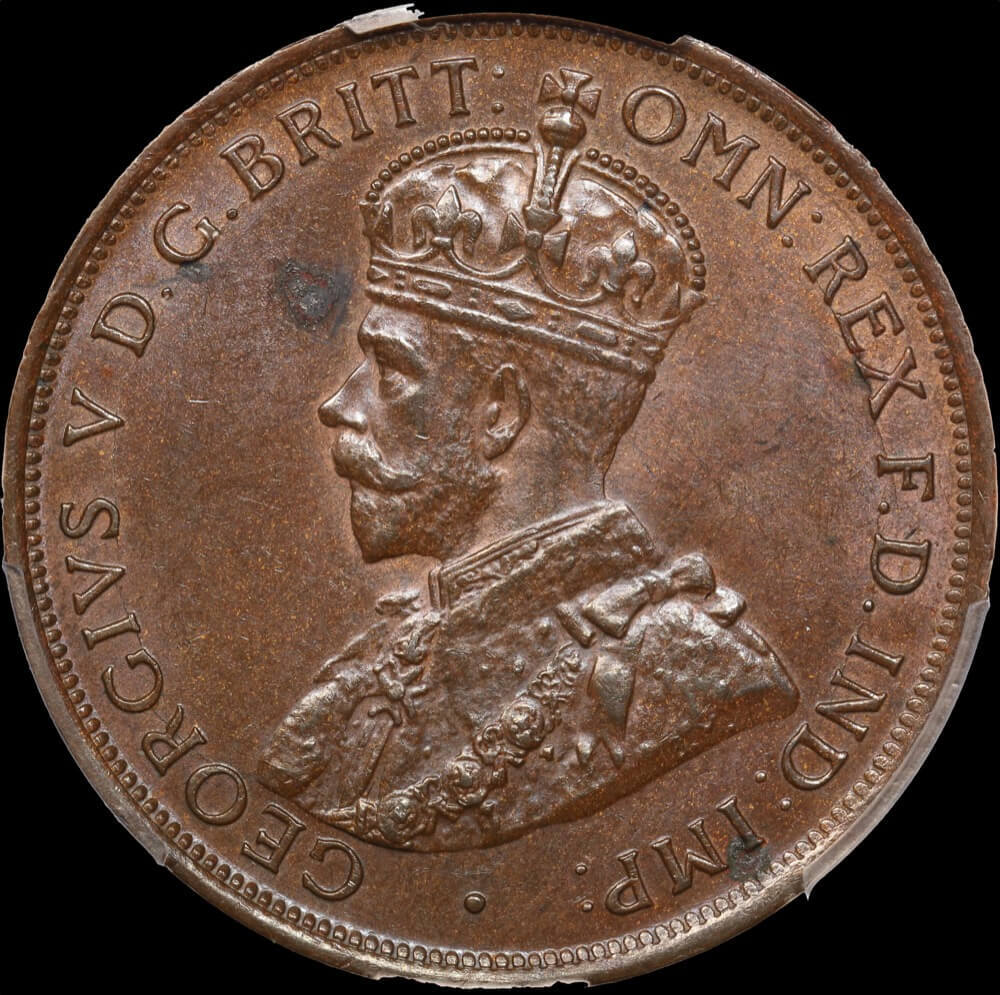
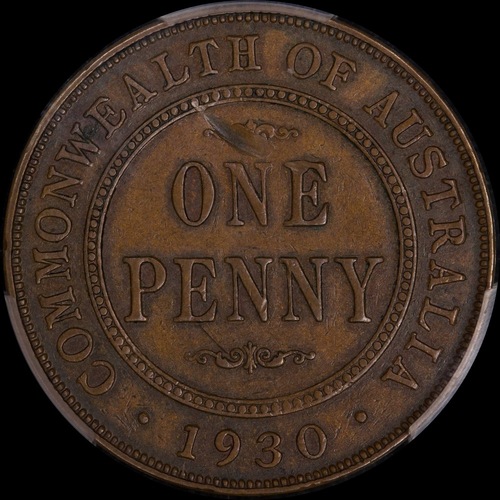
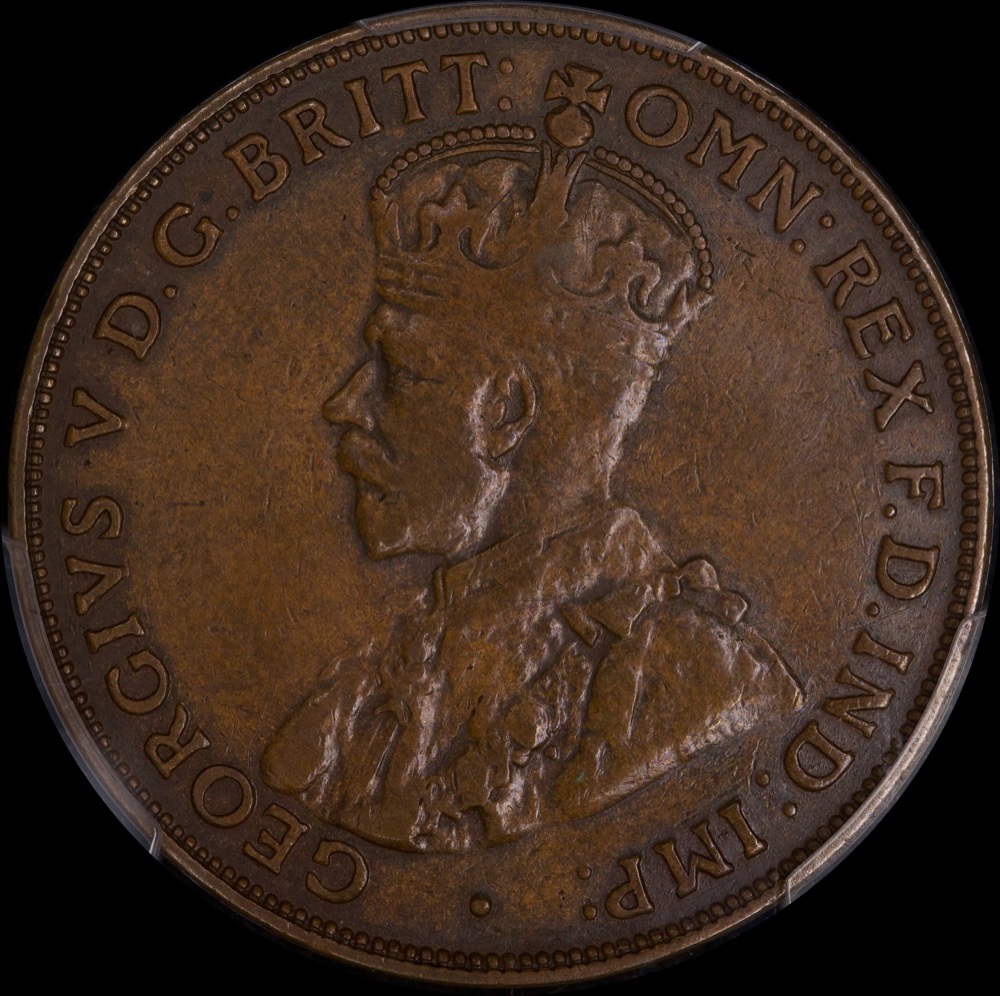
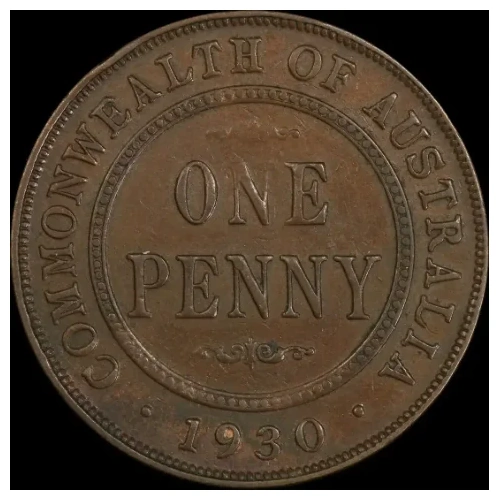
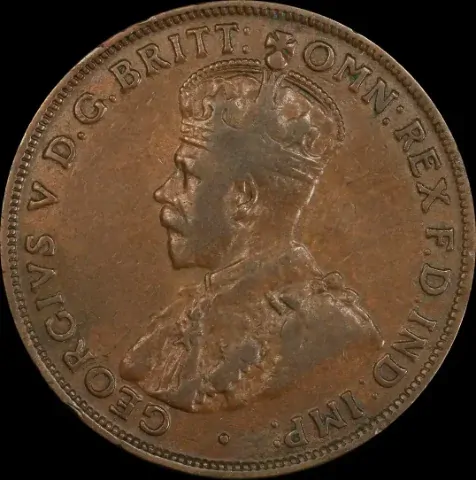
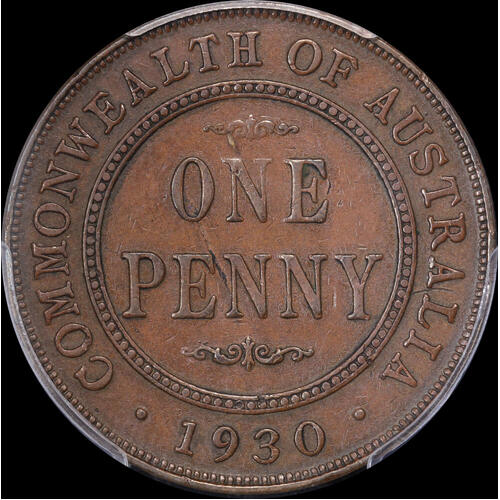
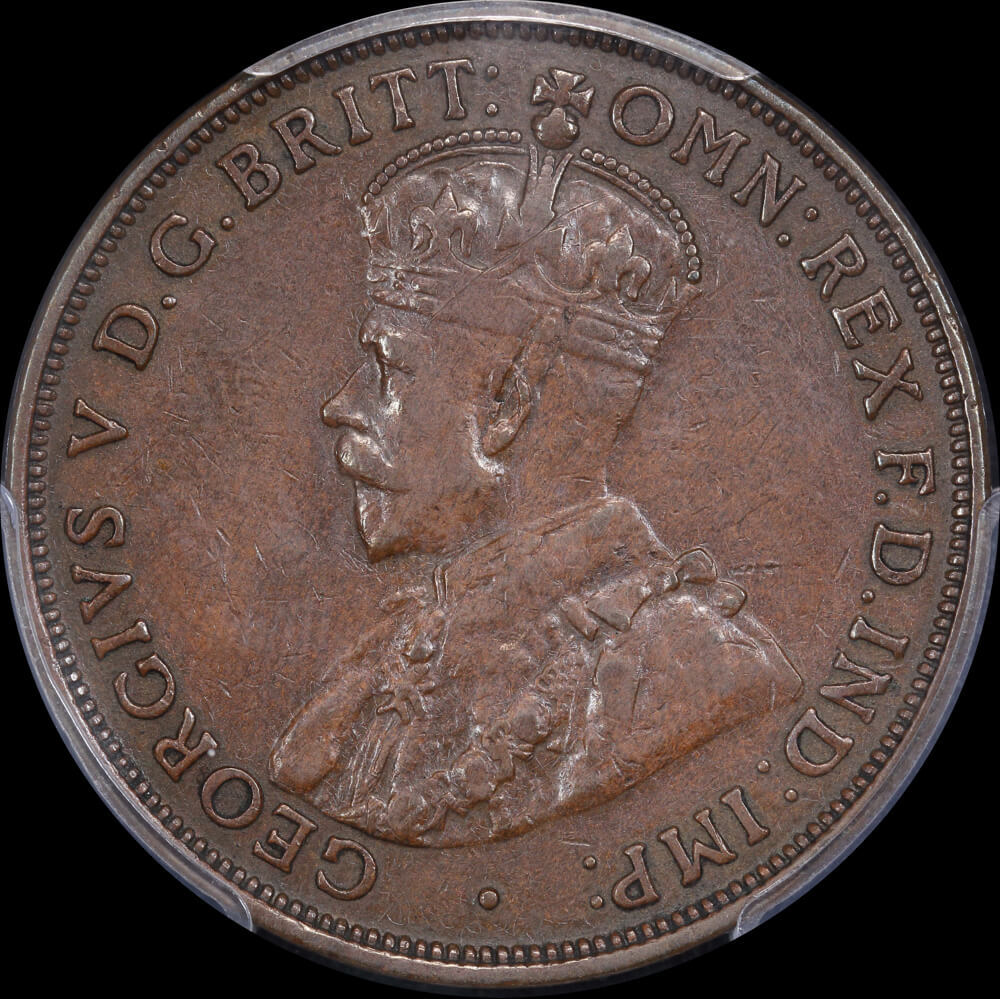
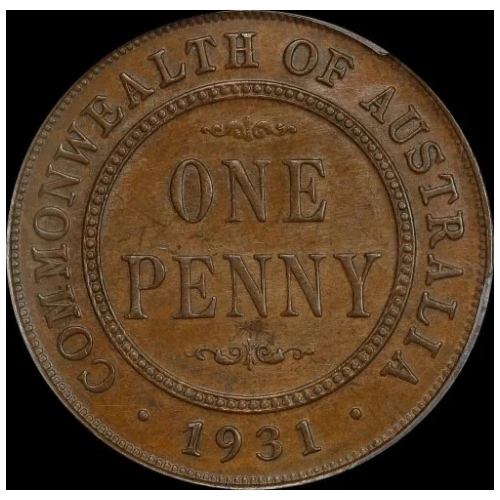
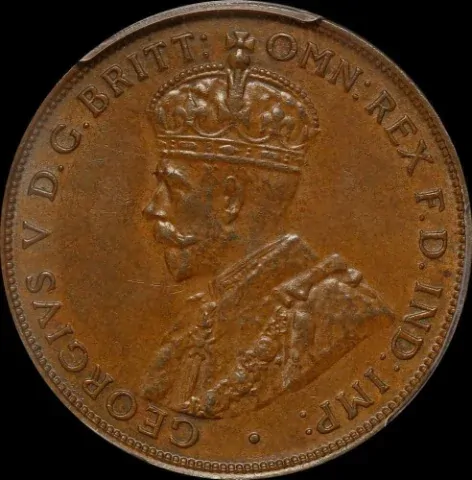
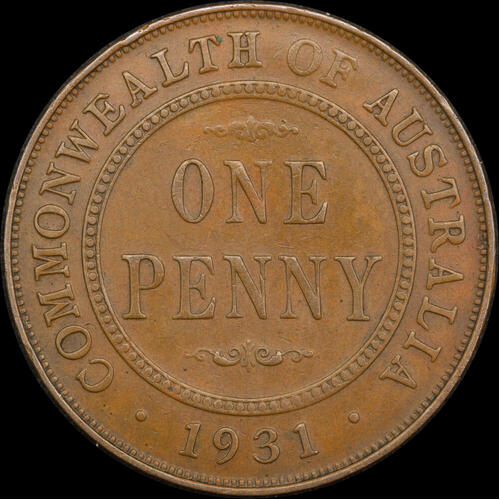
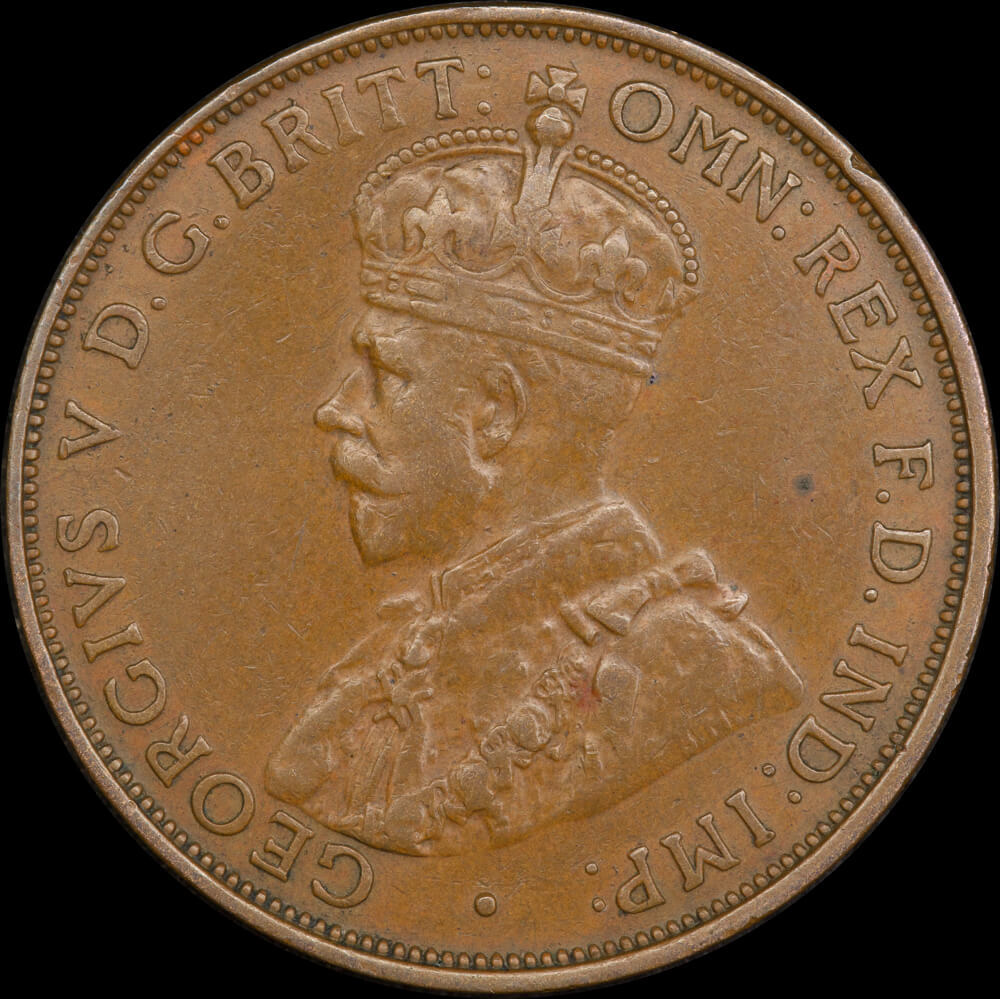
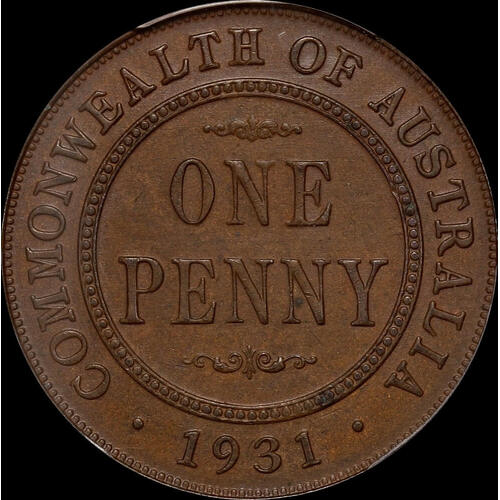
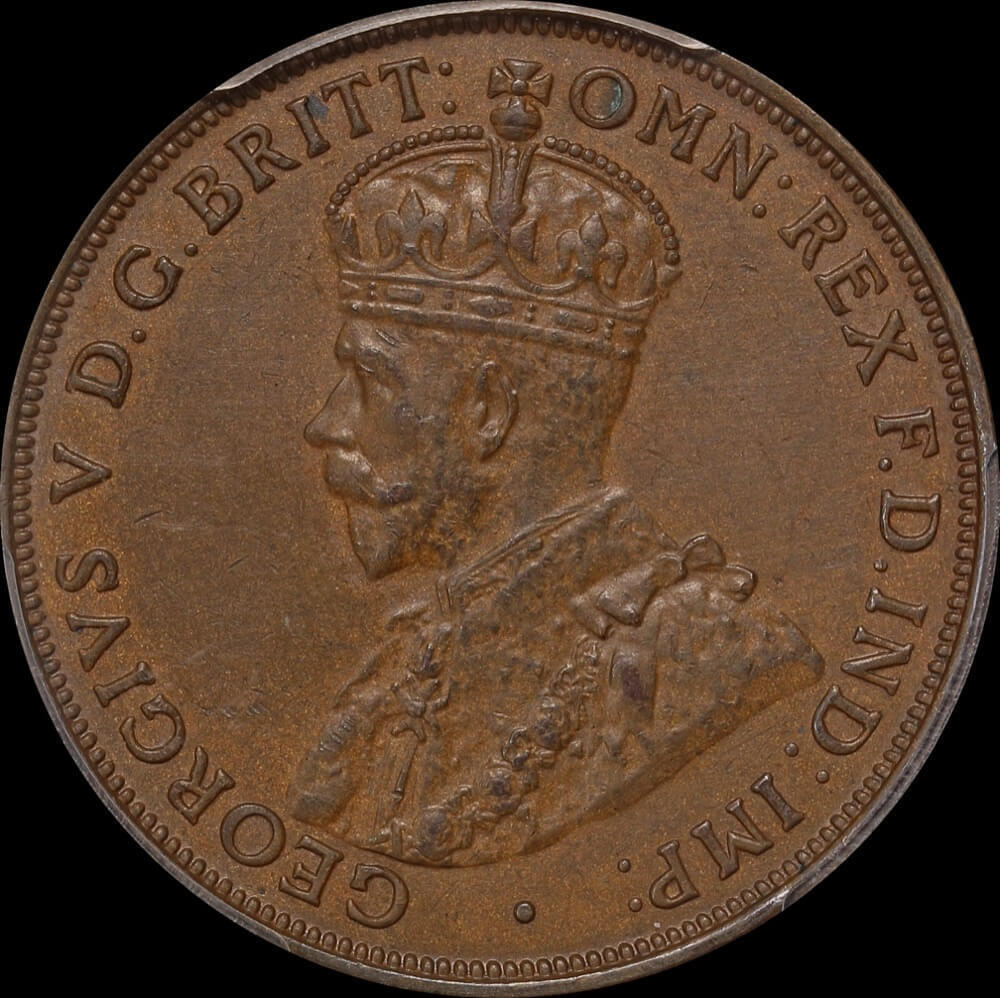
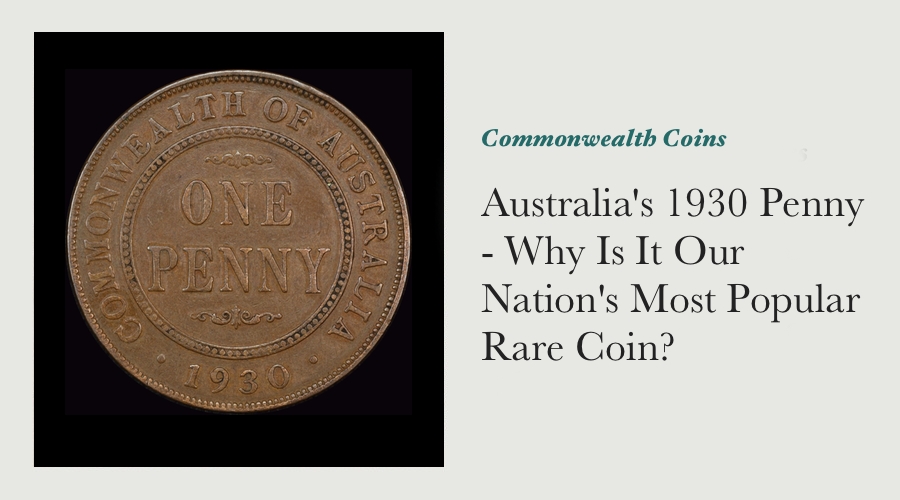
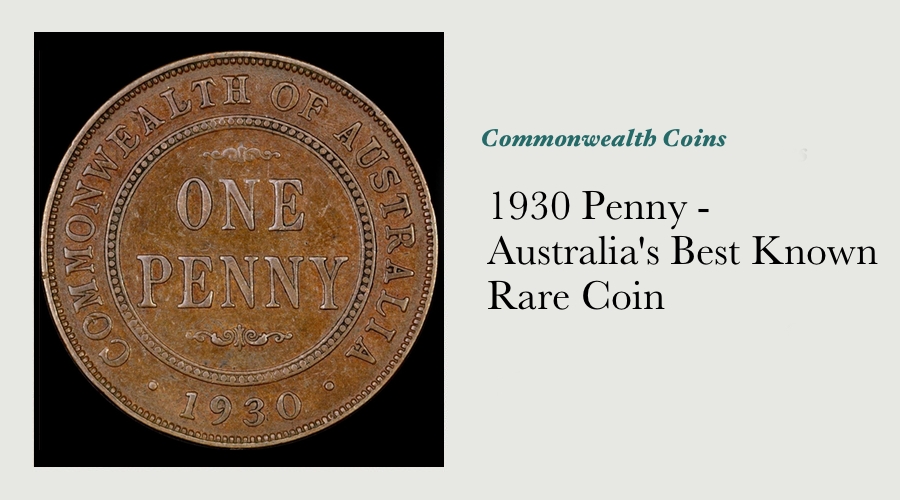
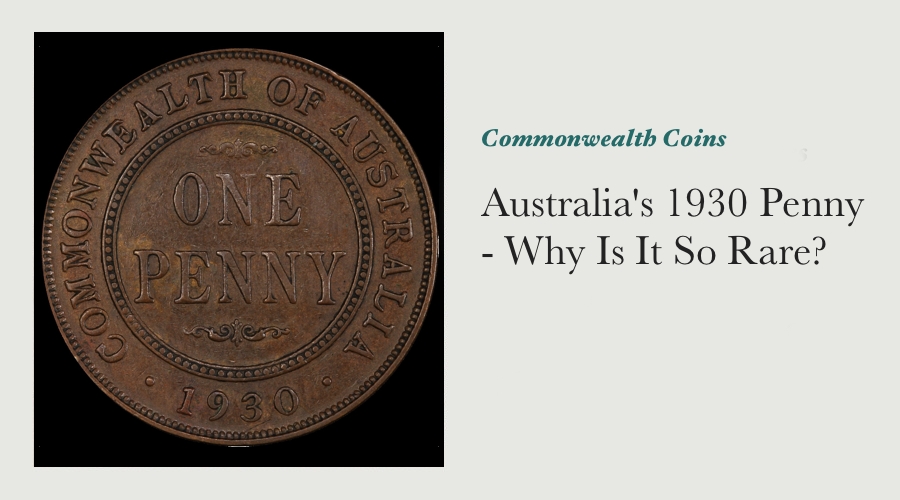
Australia 1930 Penny London Obverse PCGS XF40
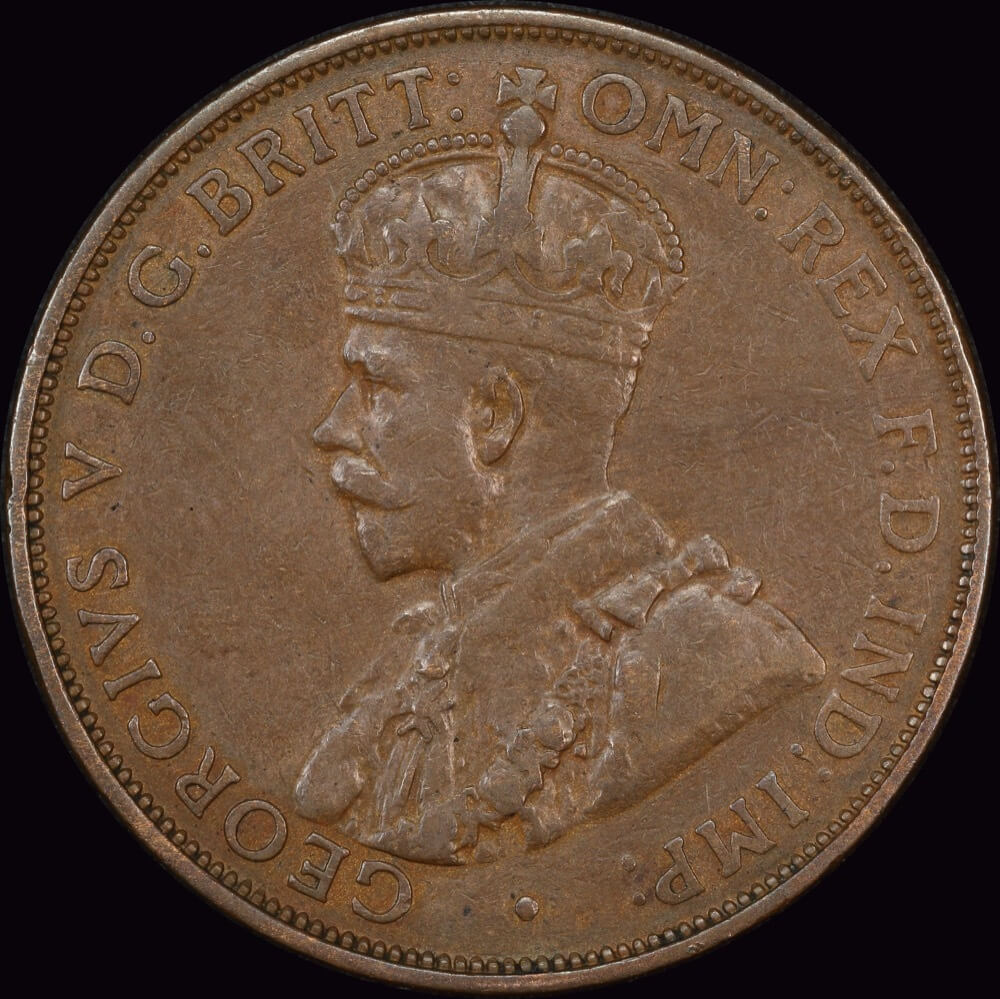
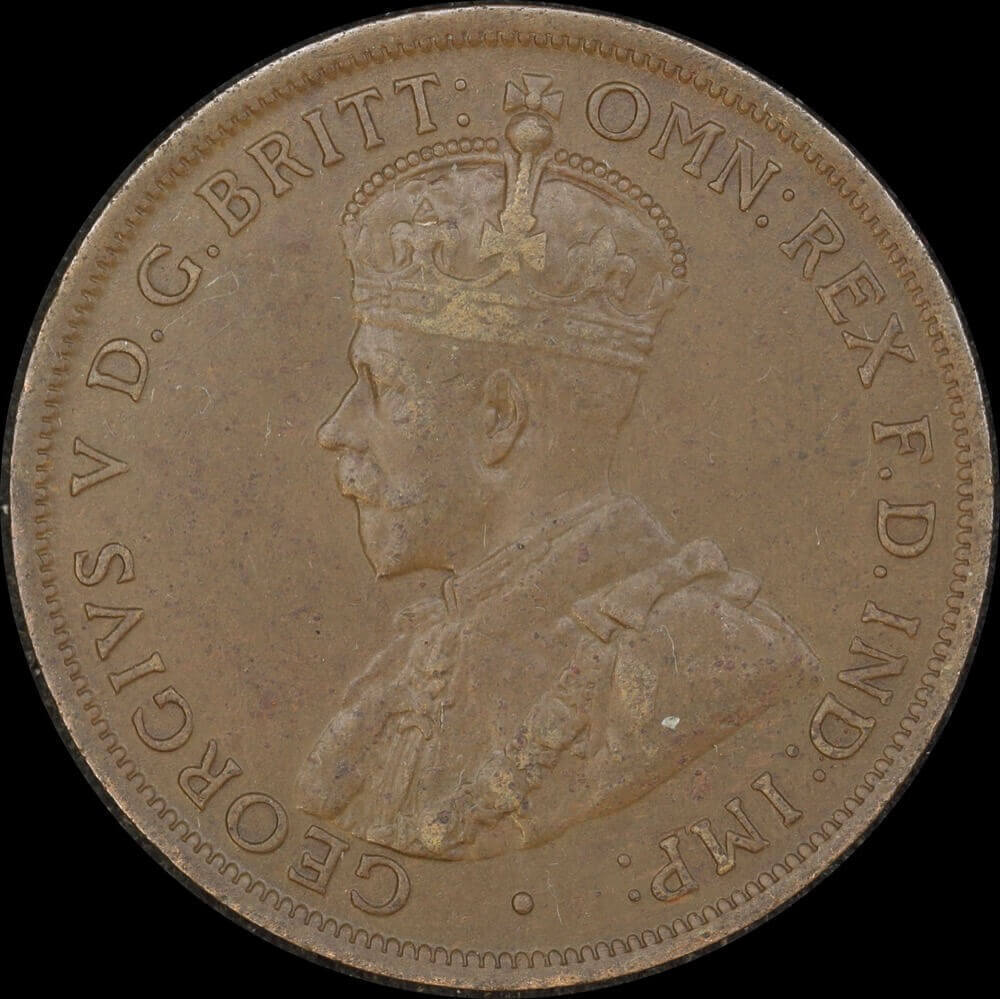
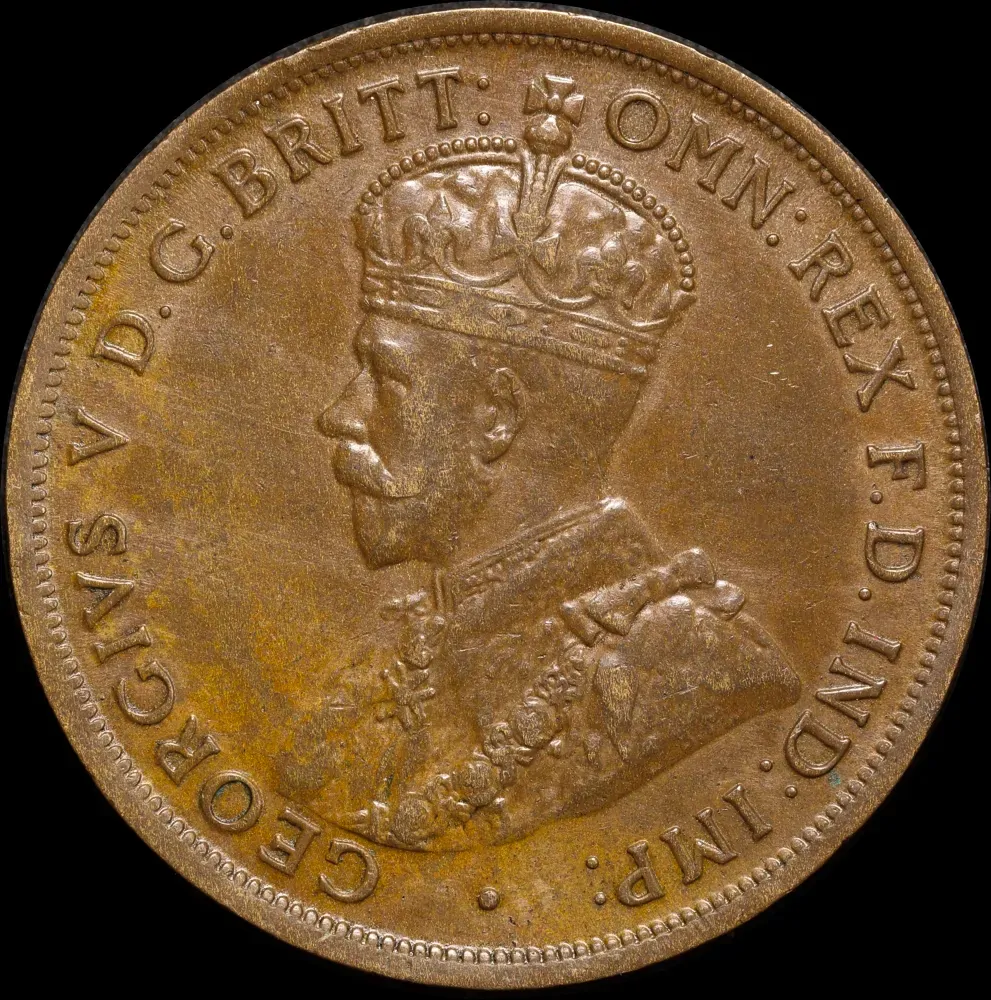
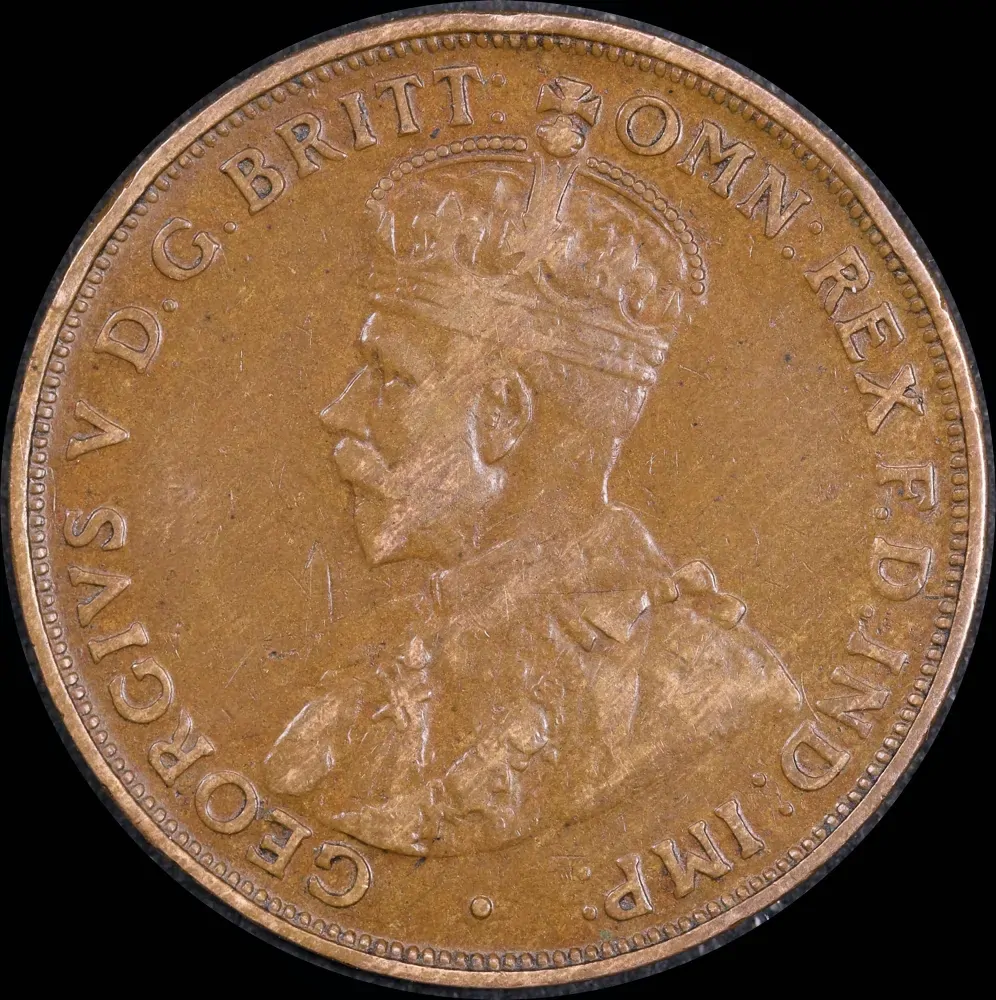
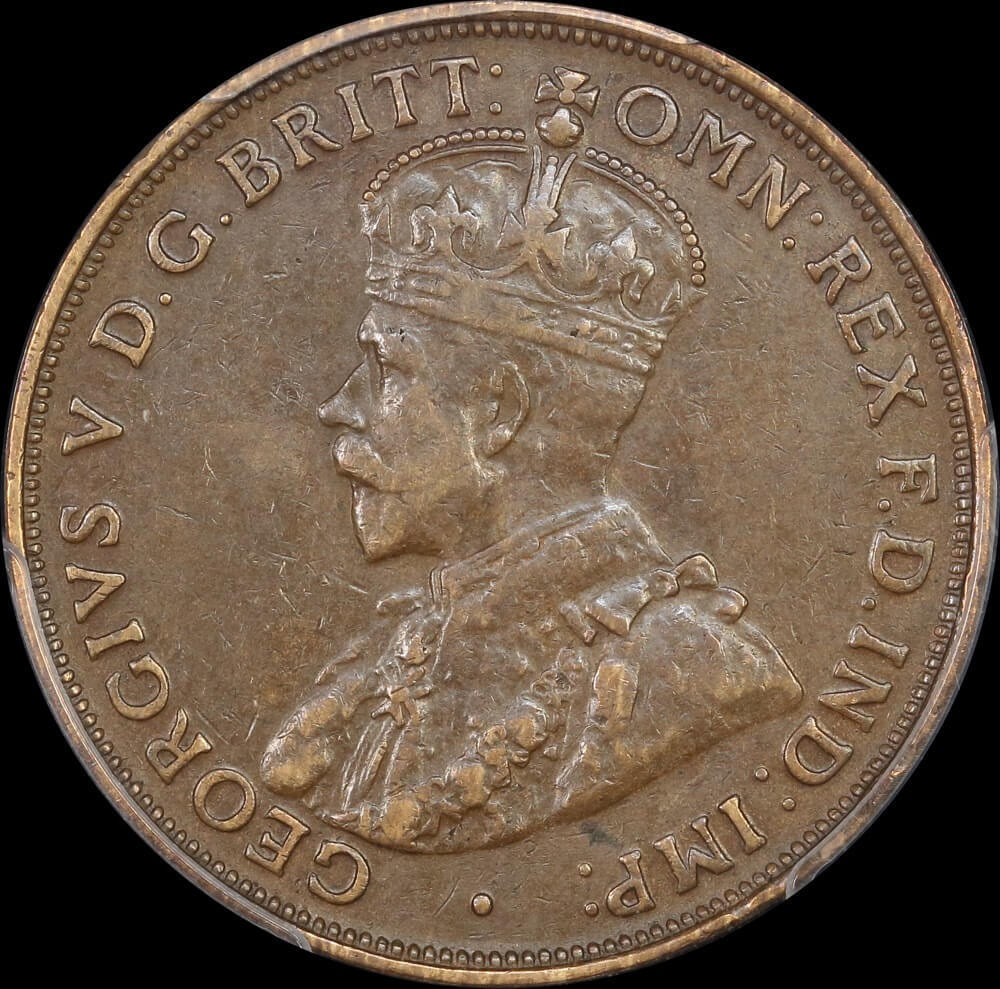
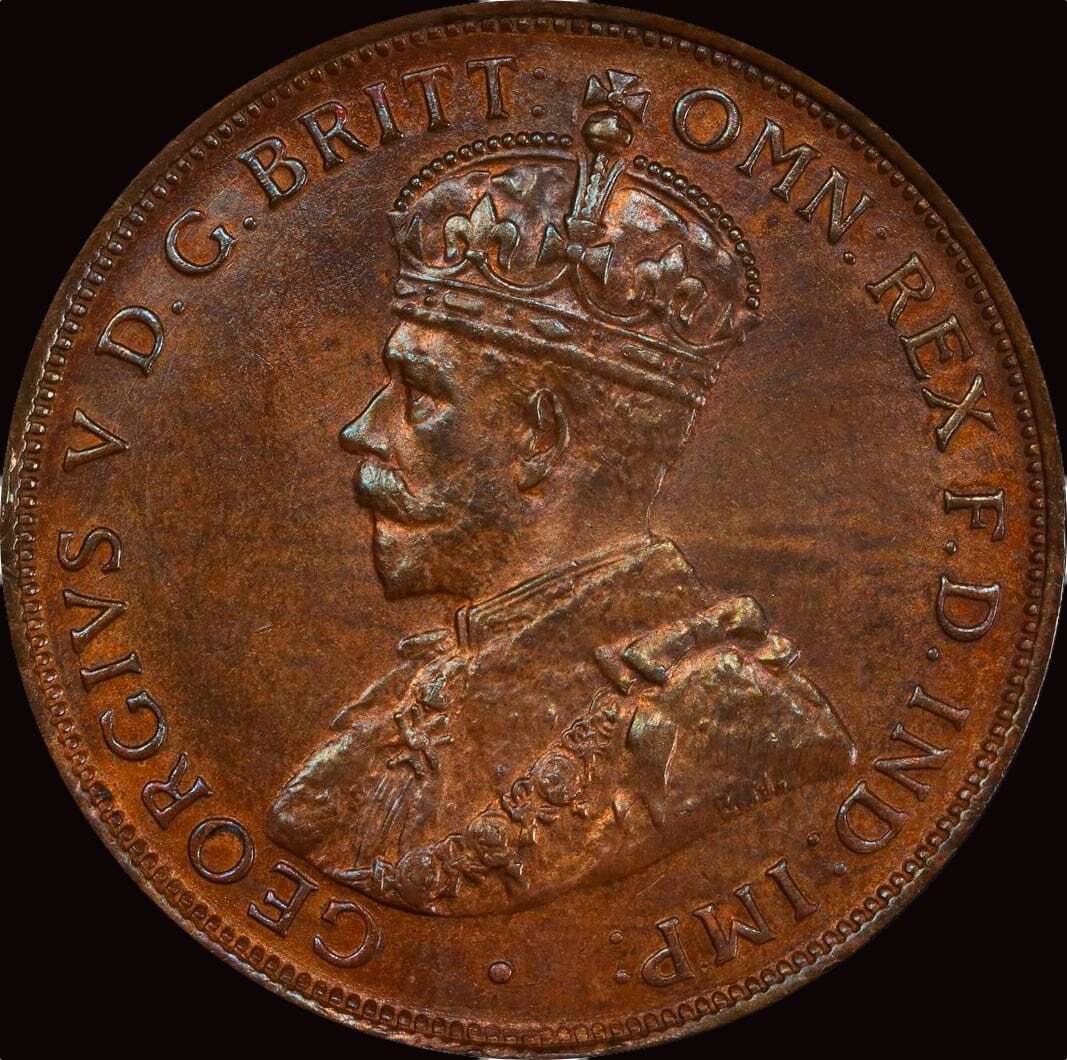
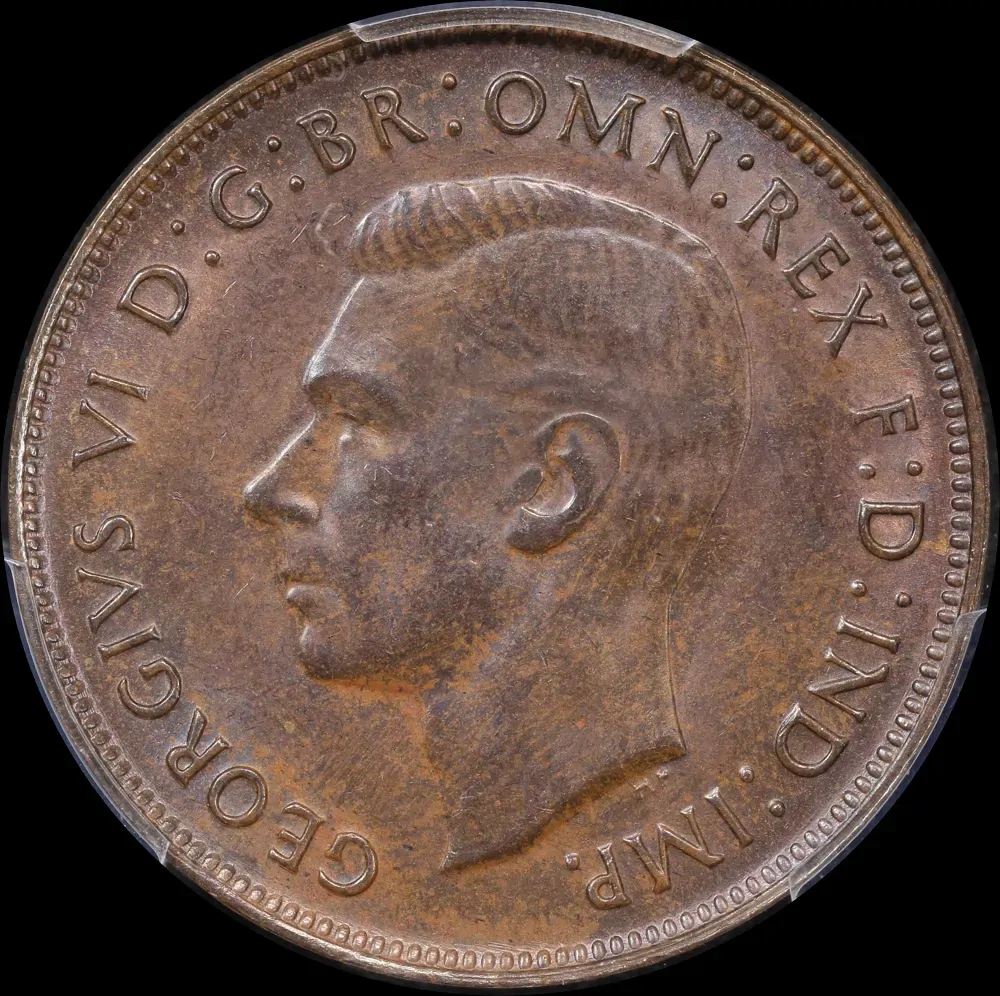
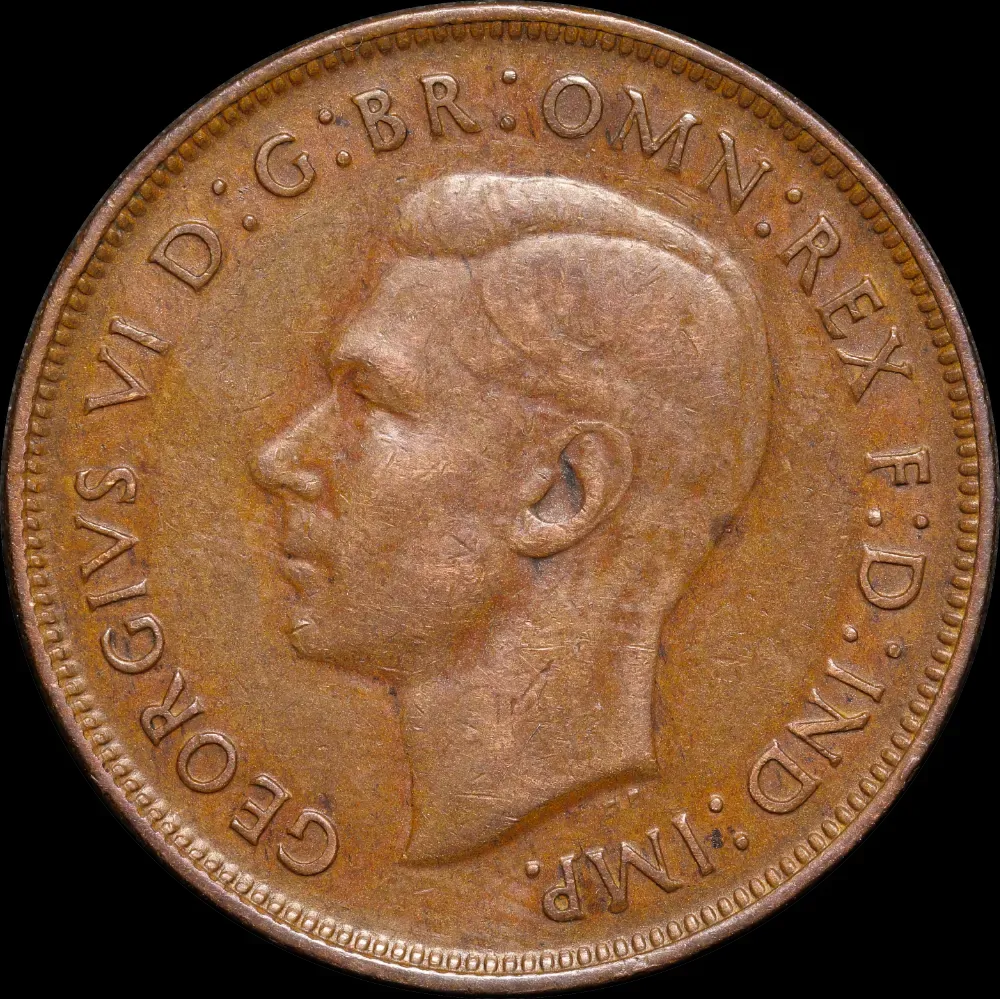
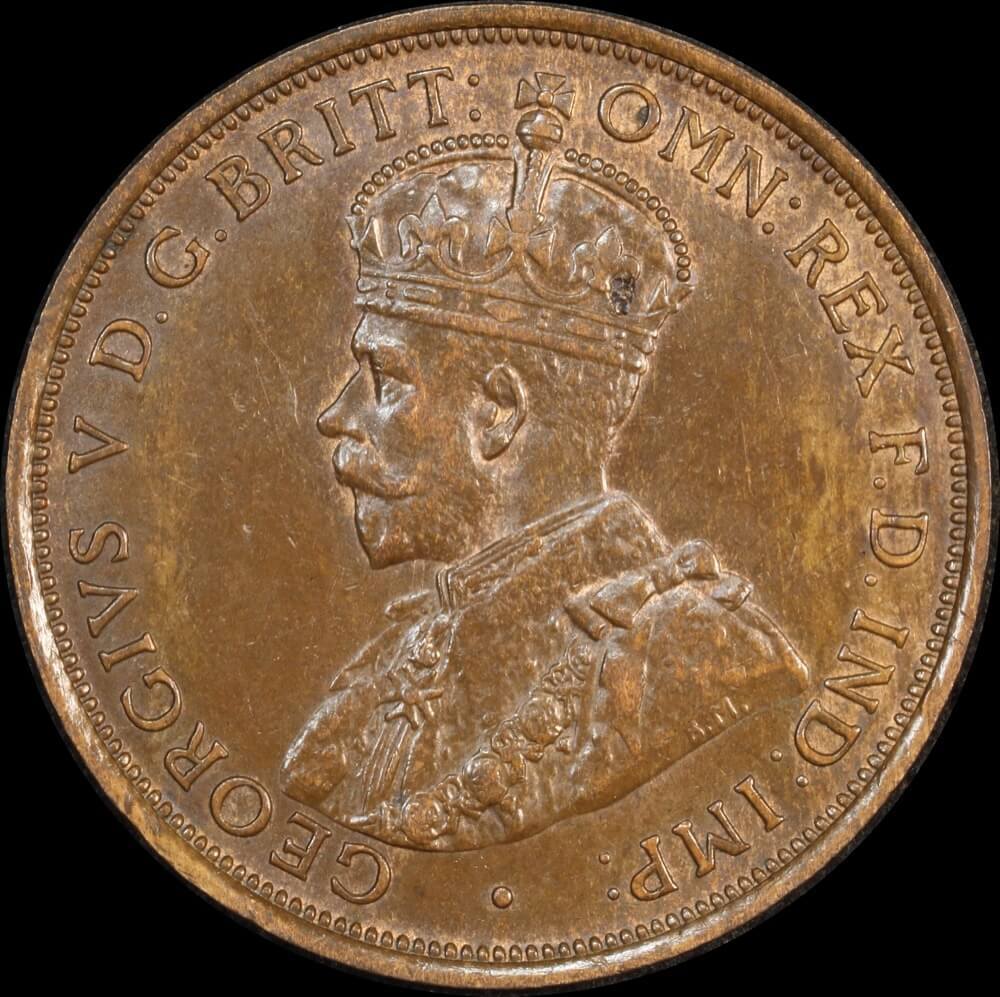
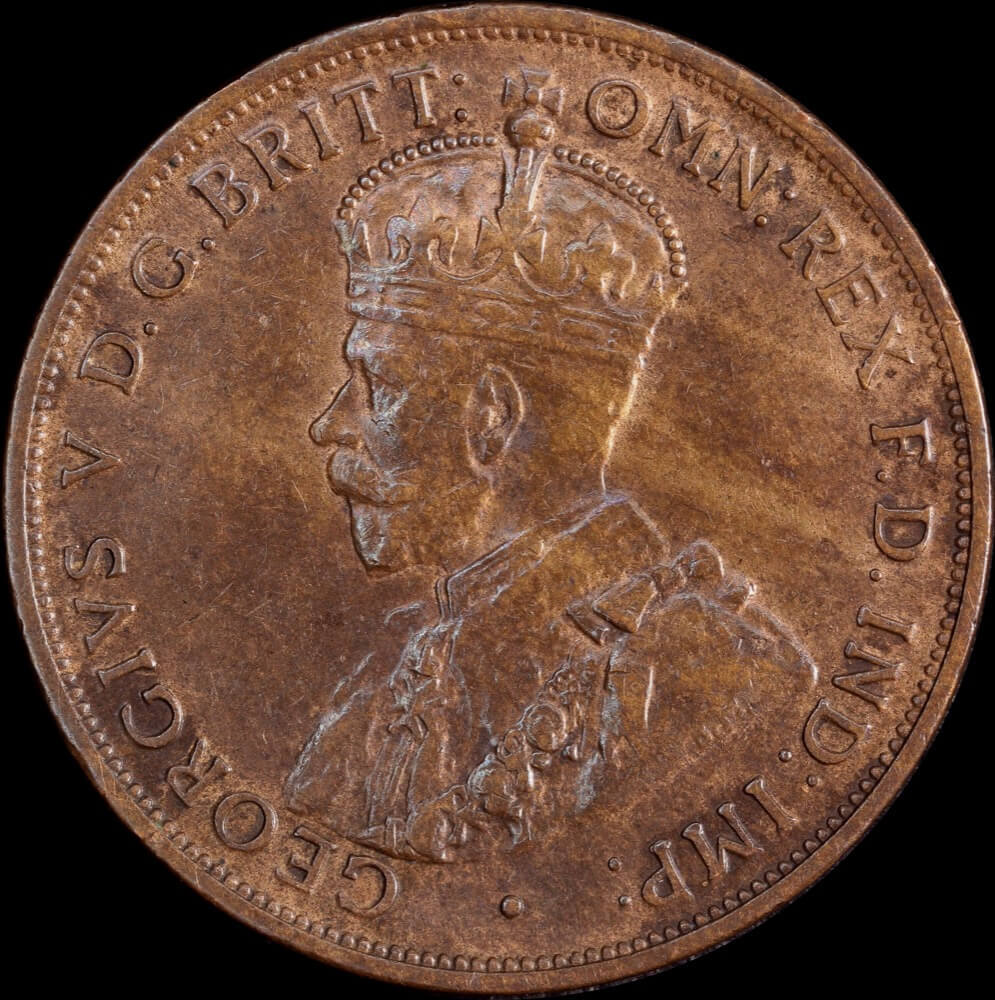
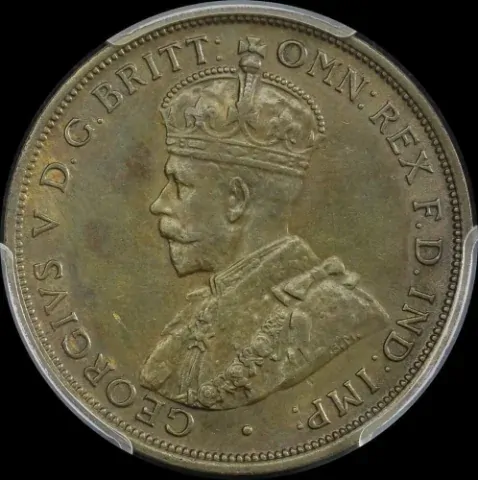
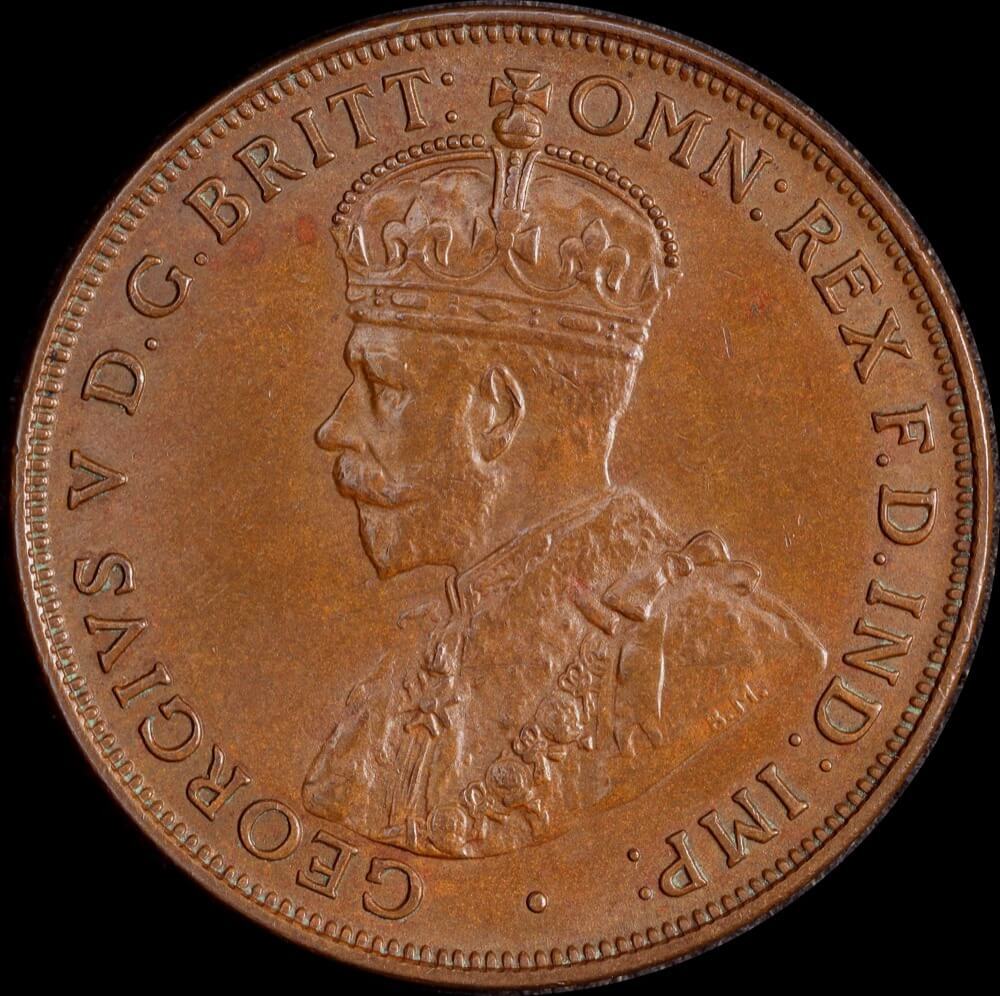
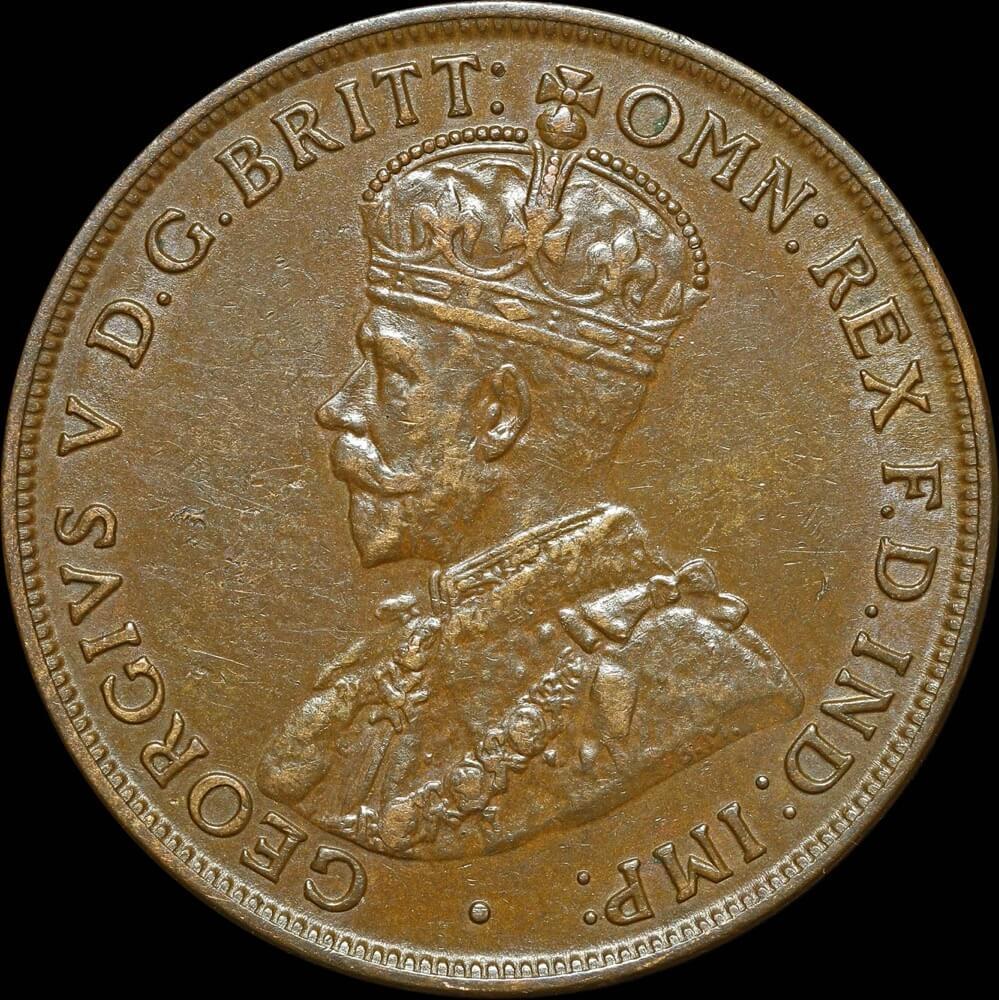
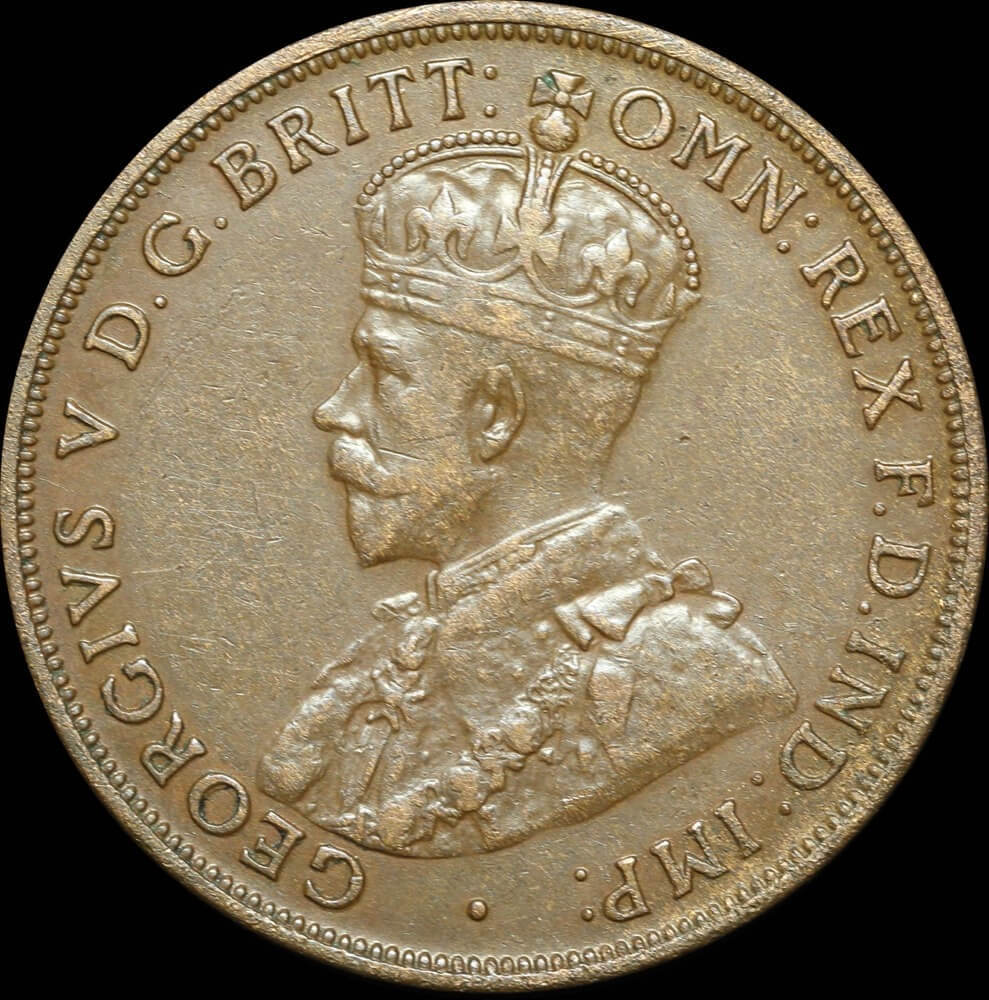
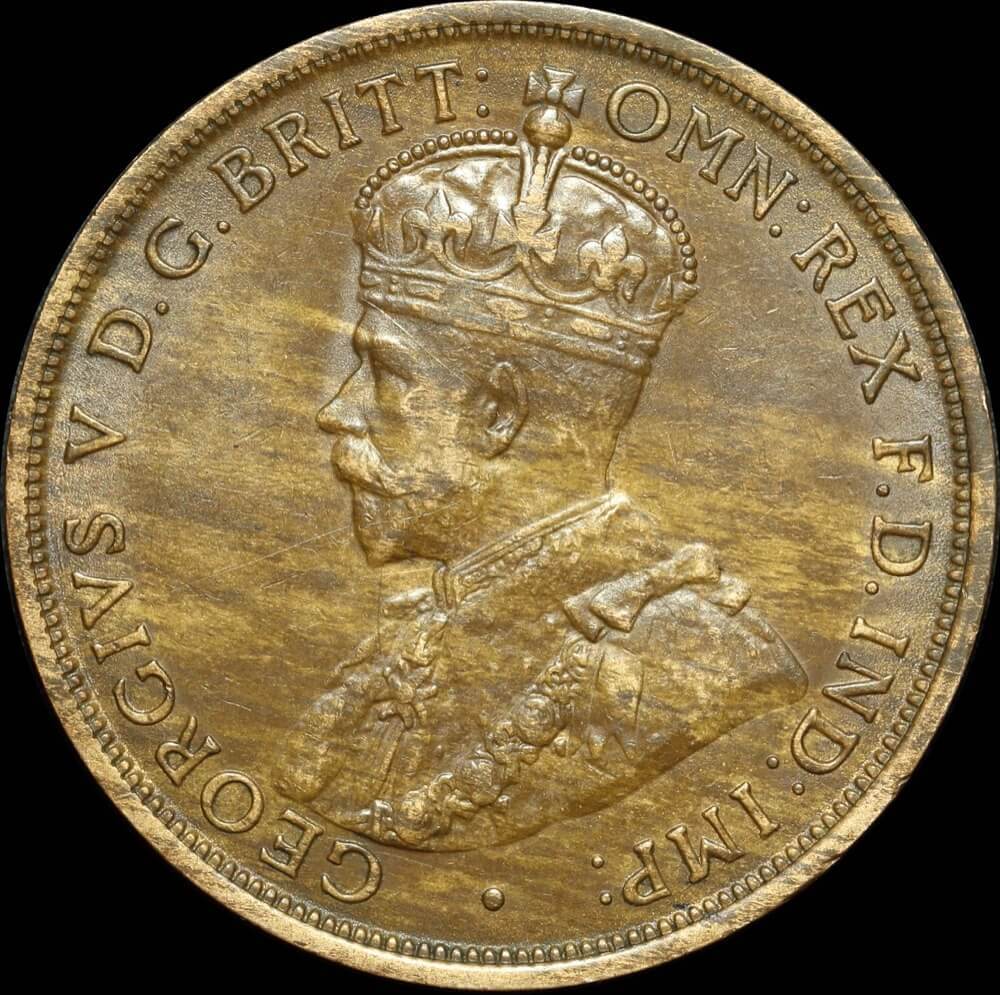
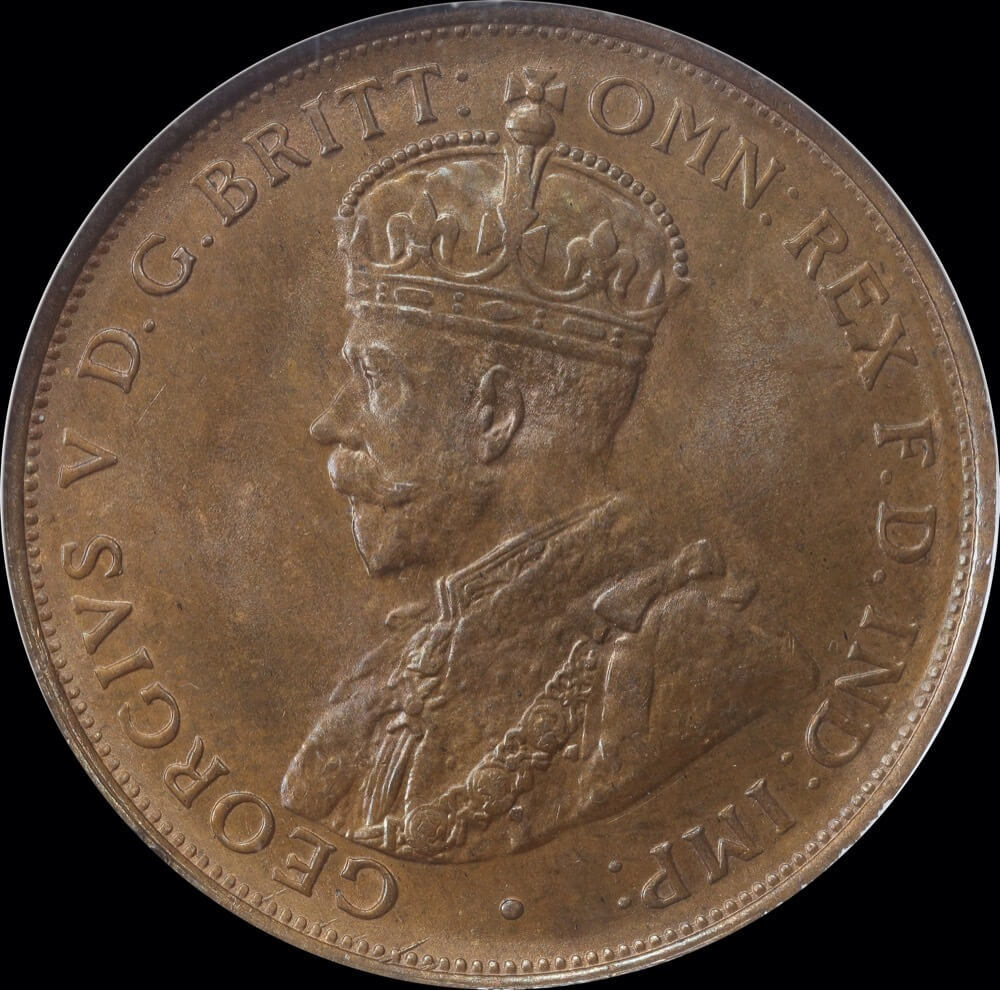
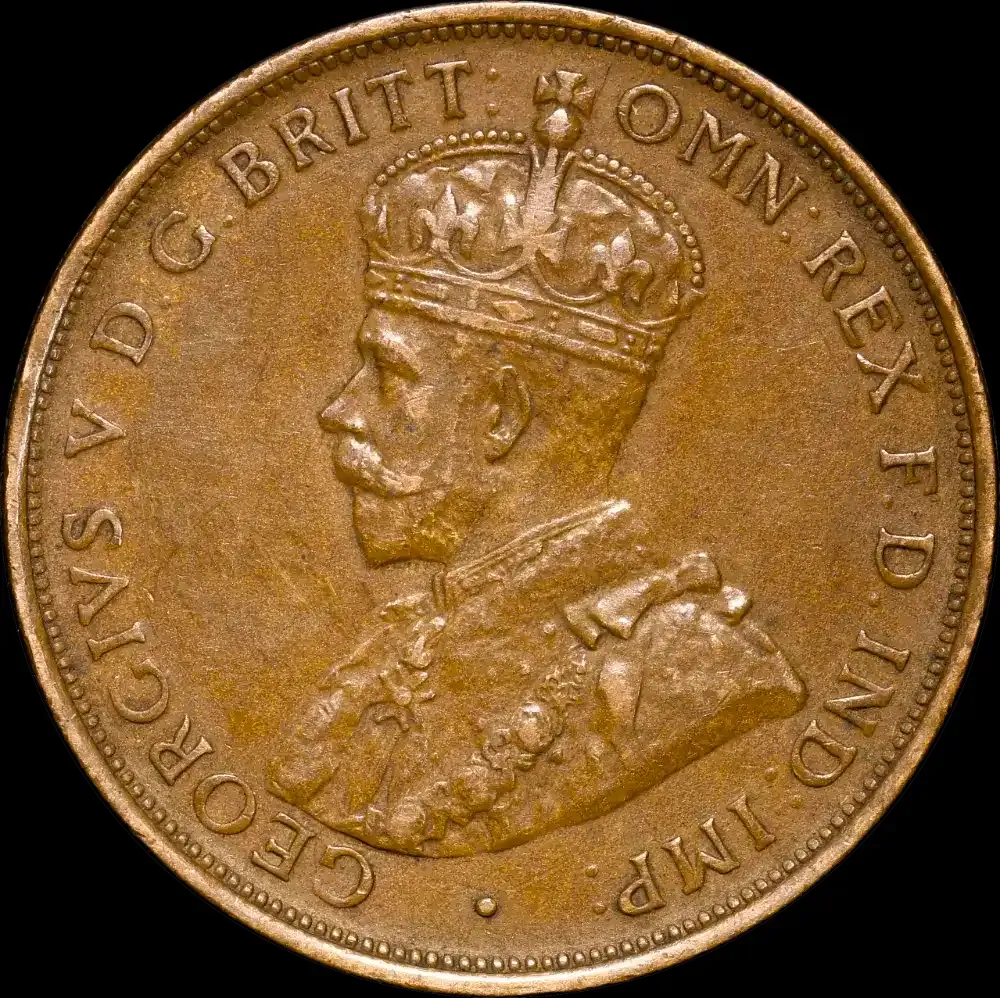
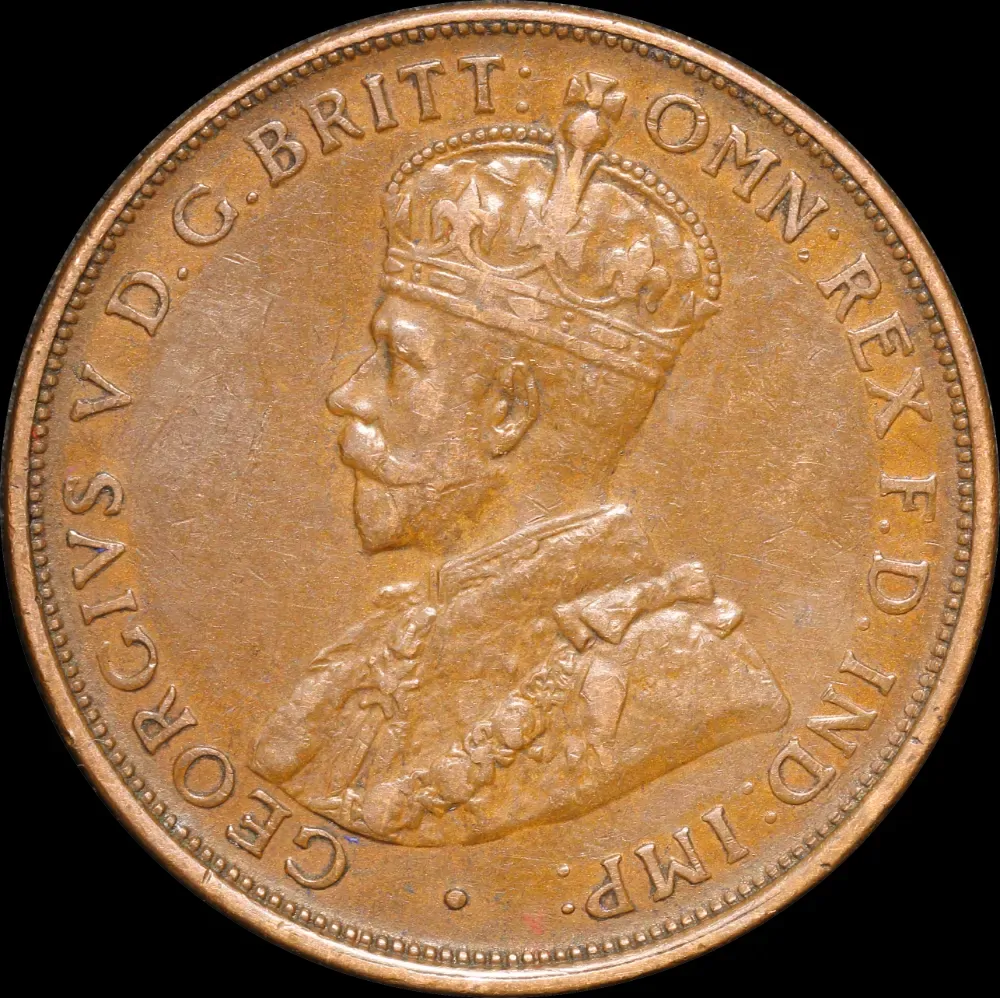
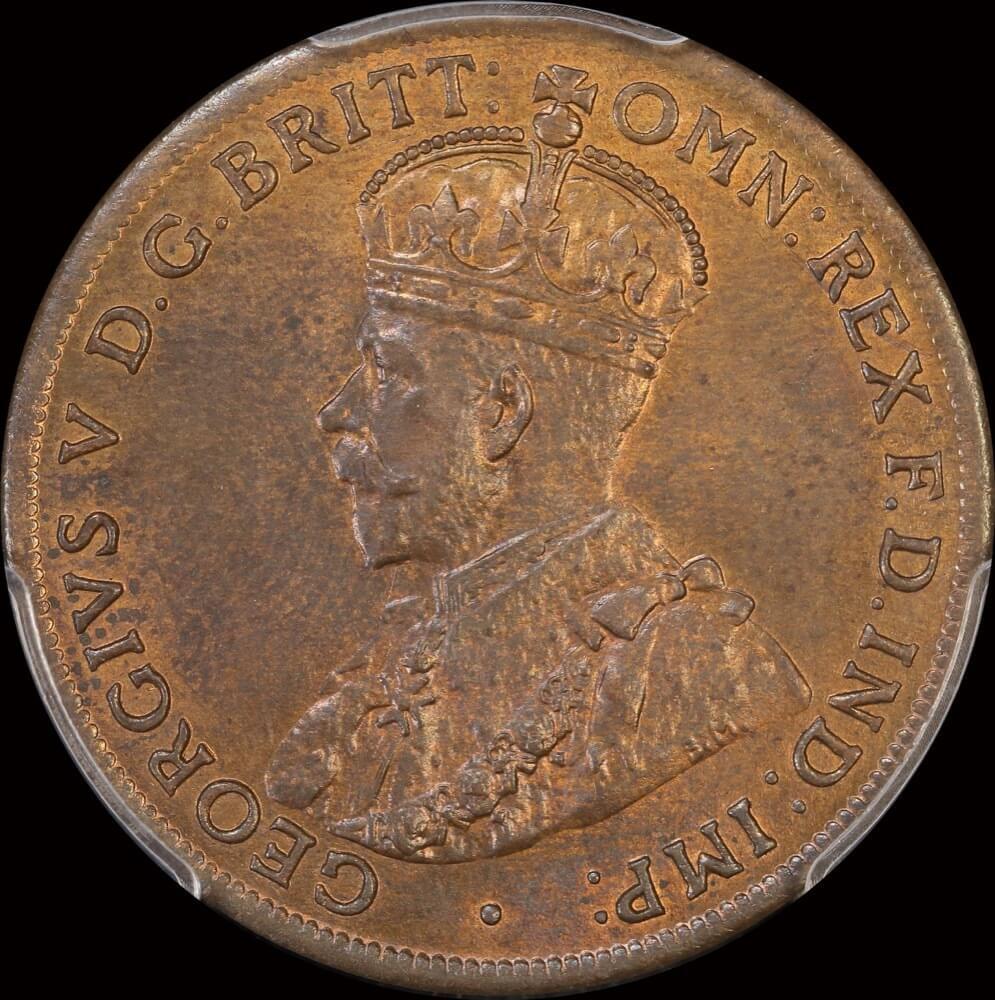
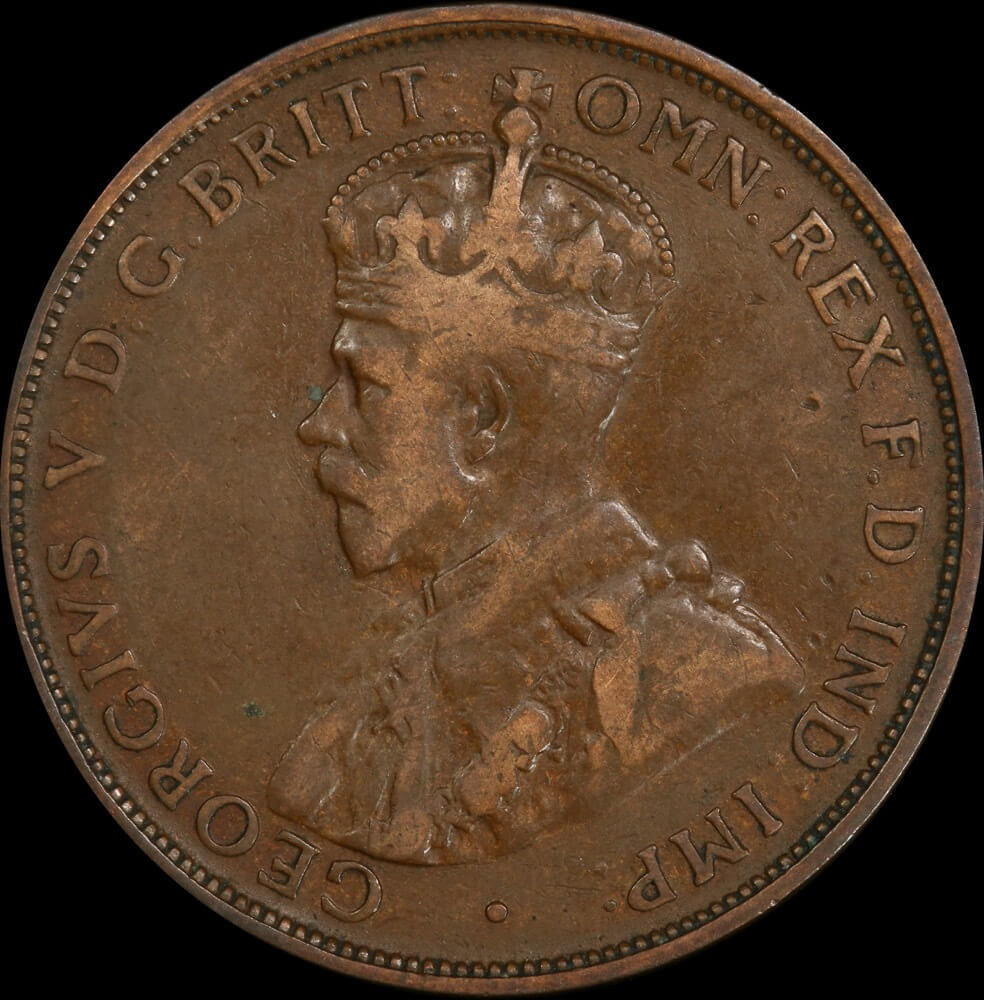
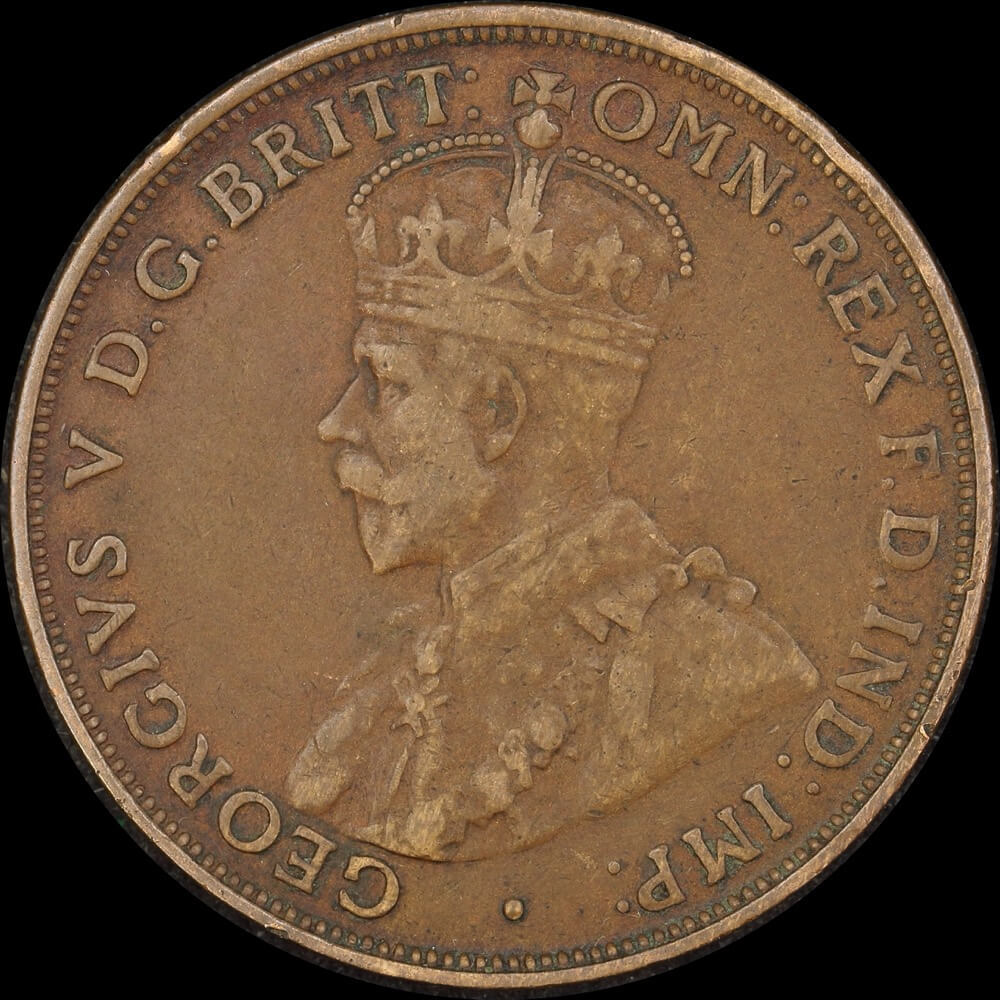
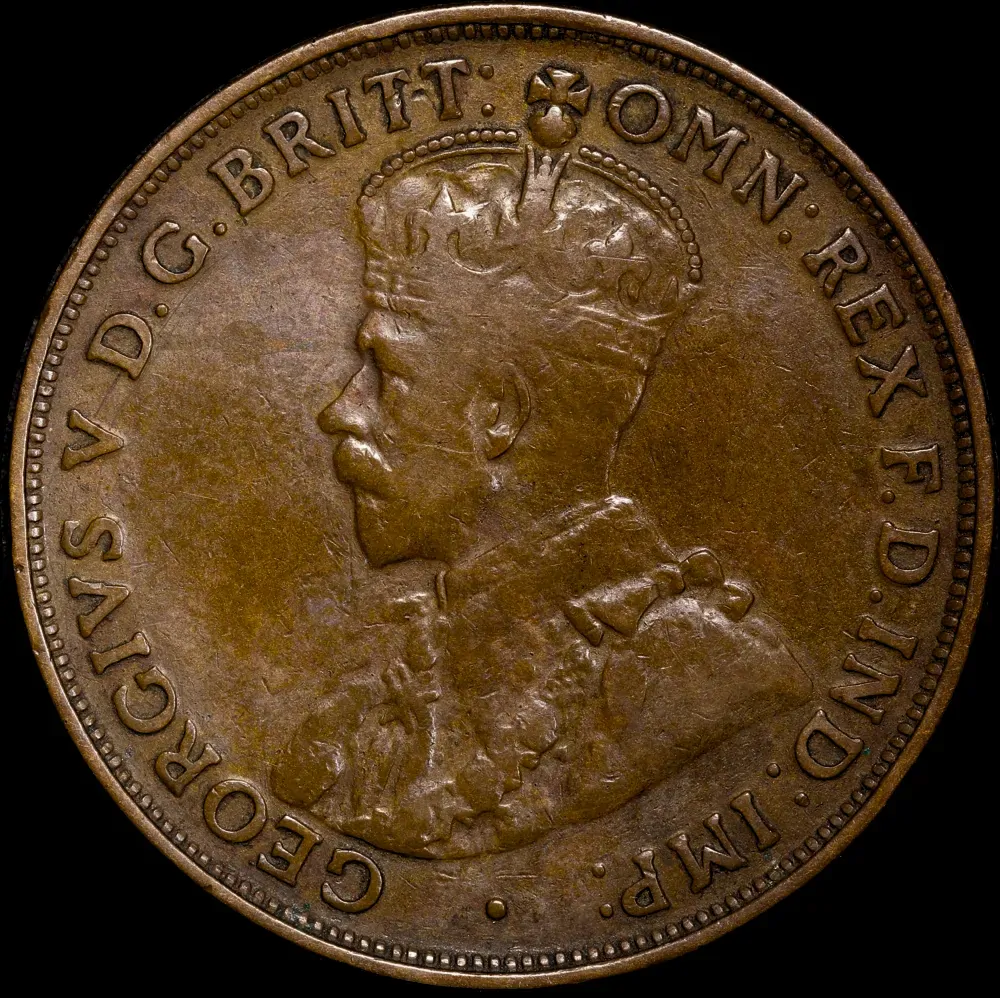
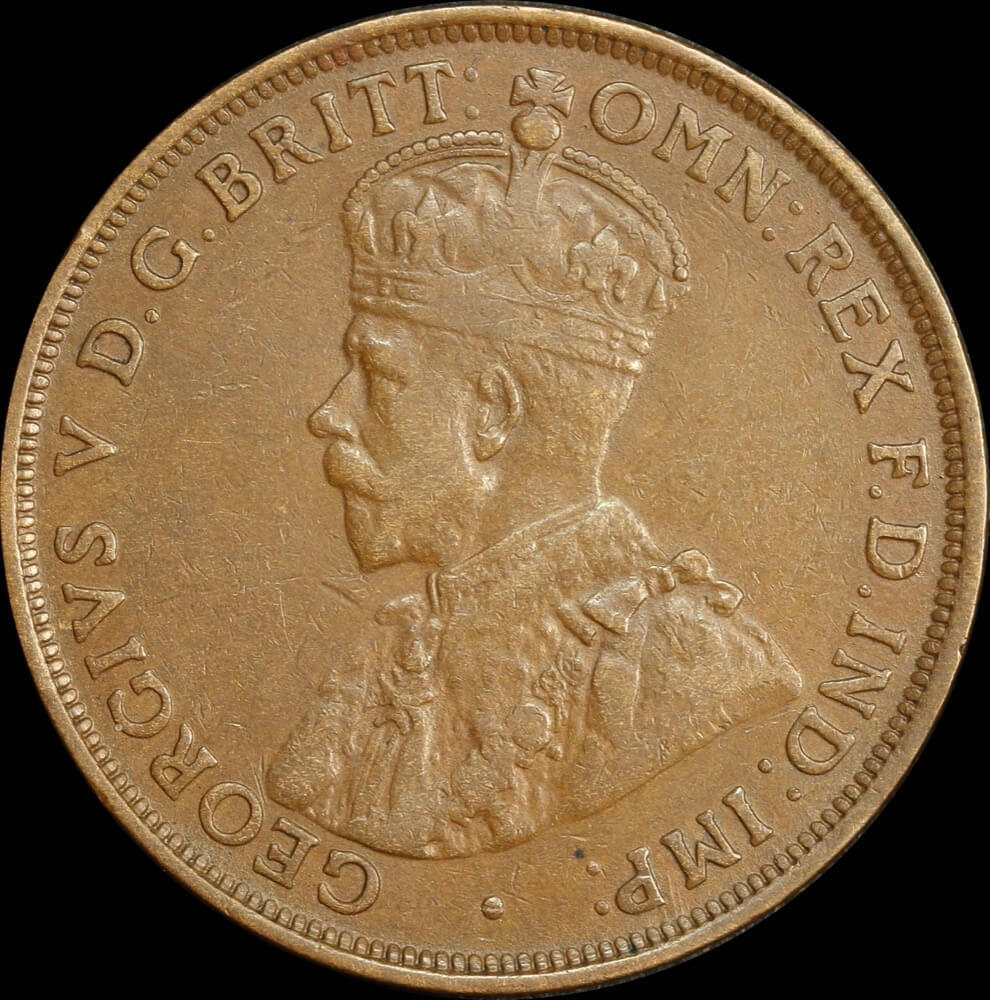
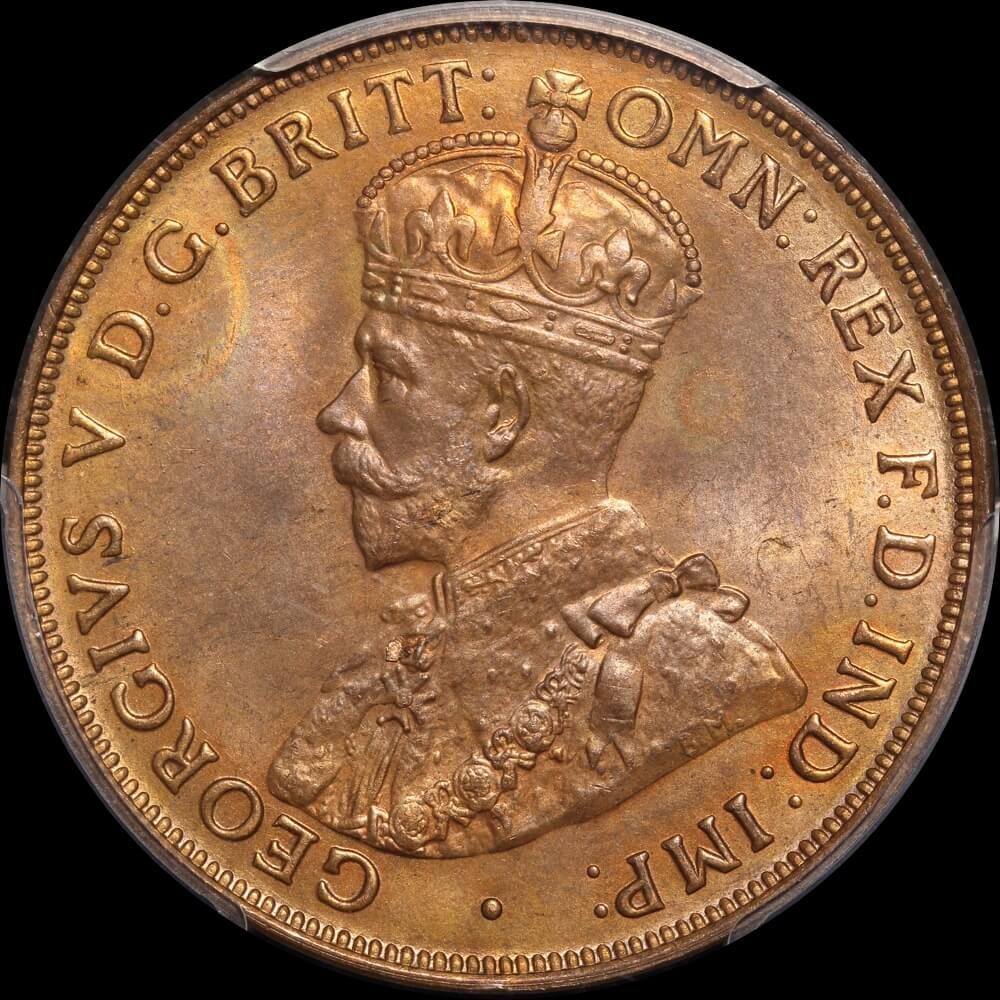
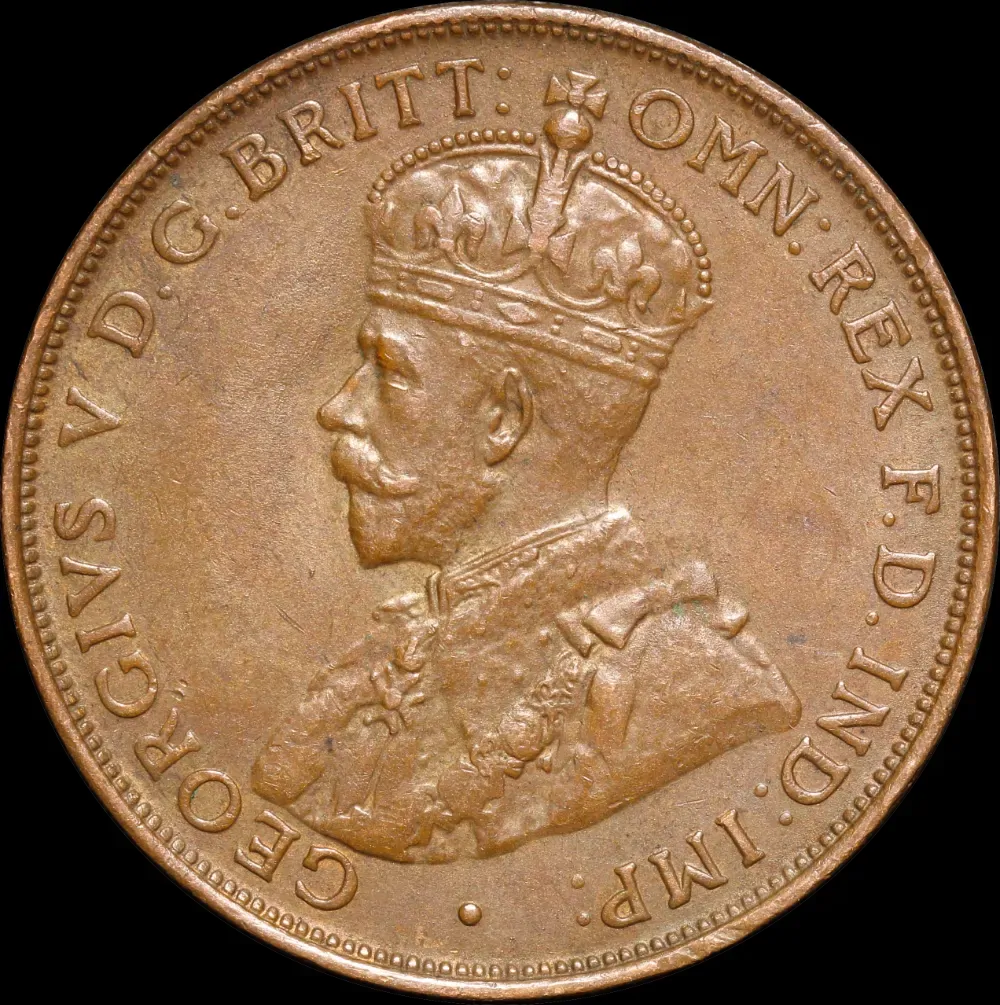
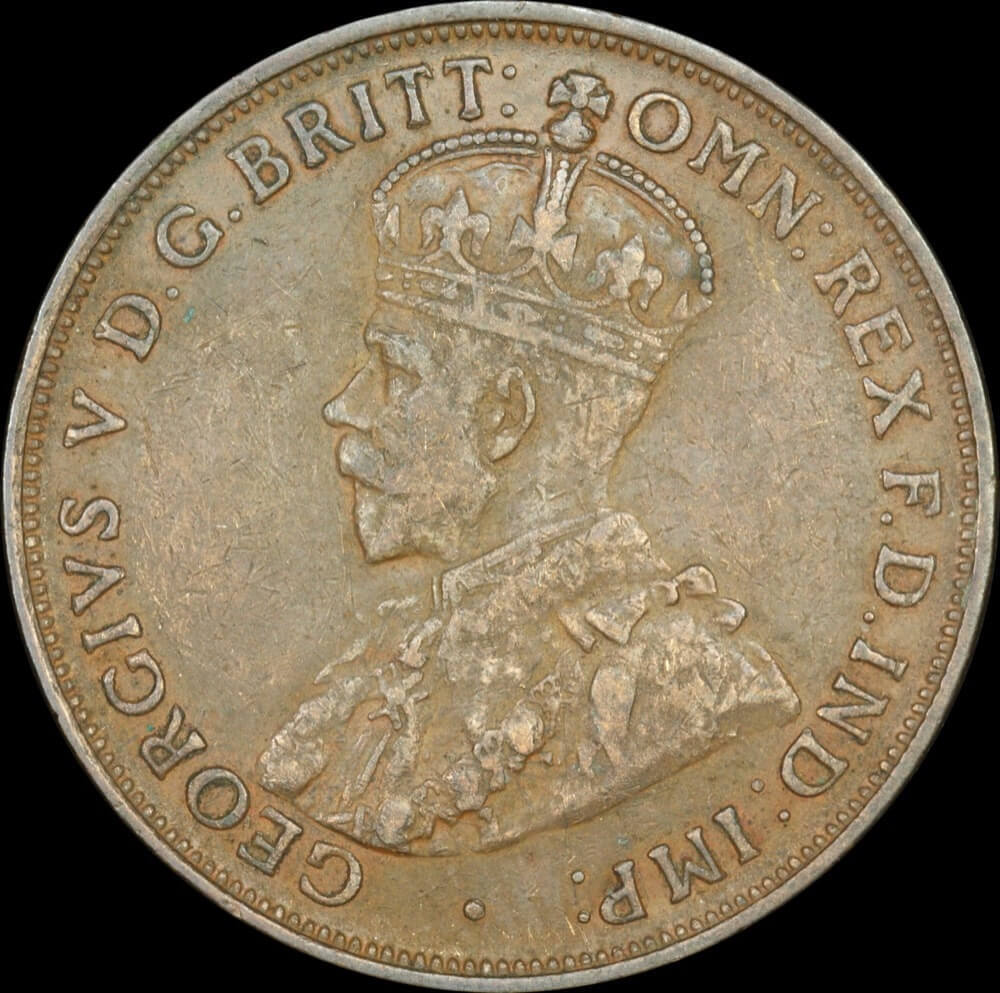
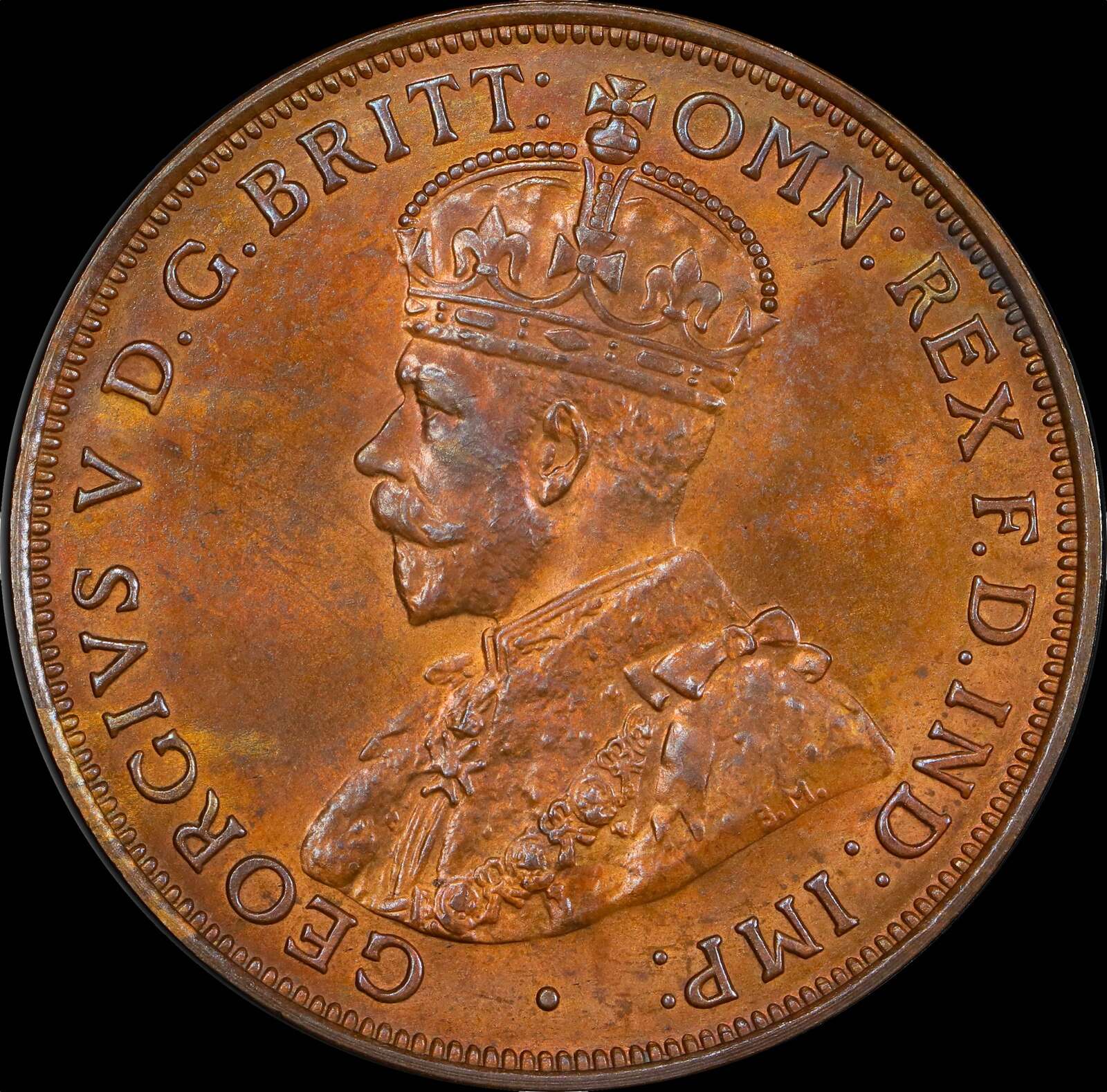
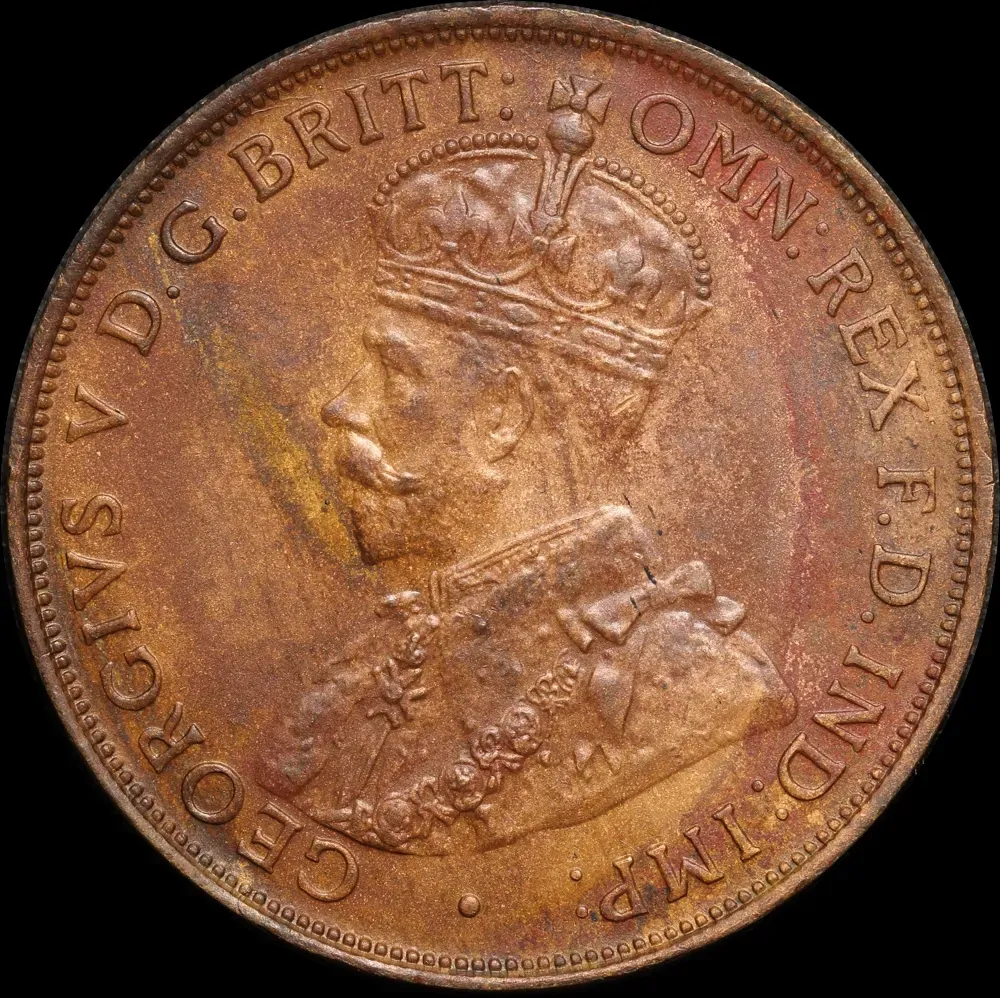
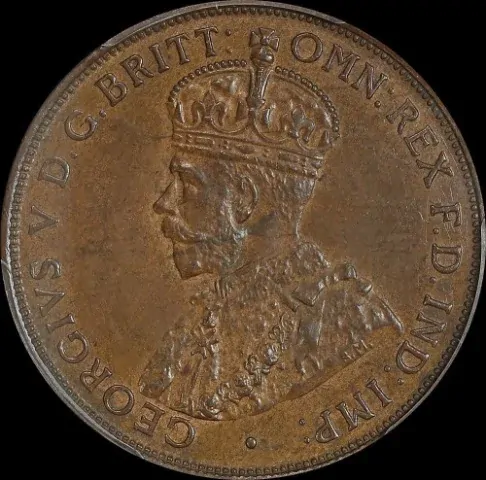
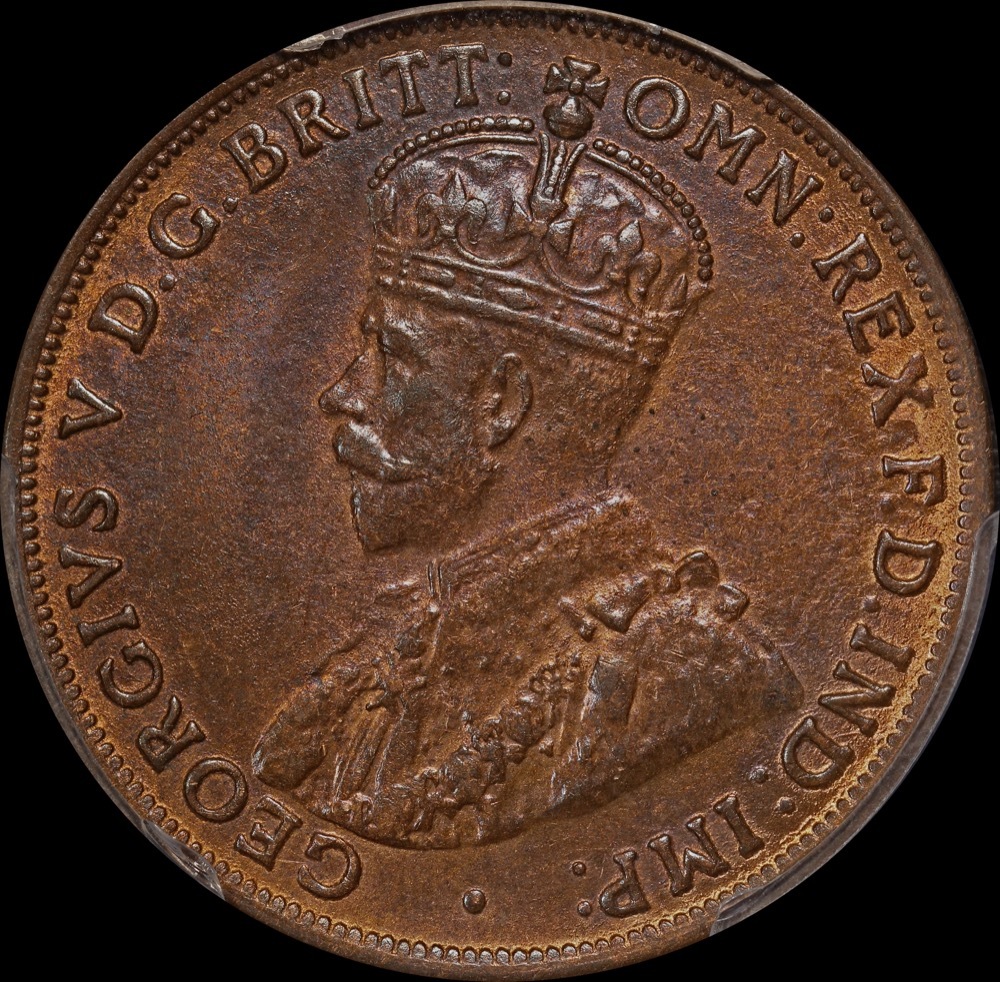
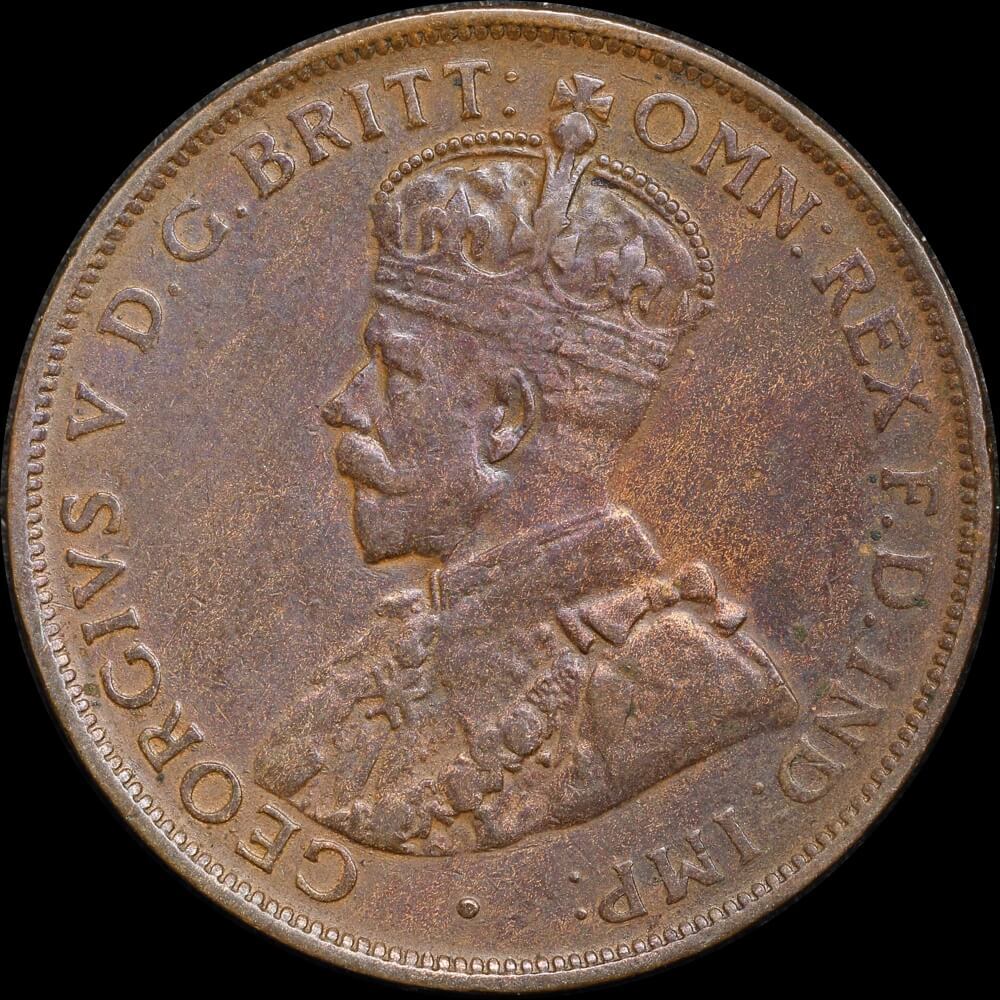
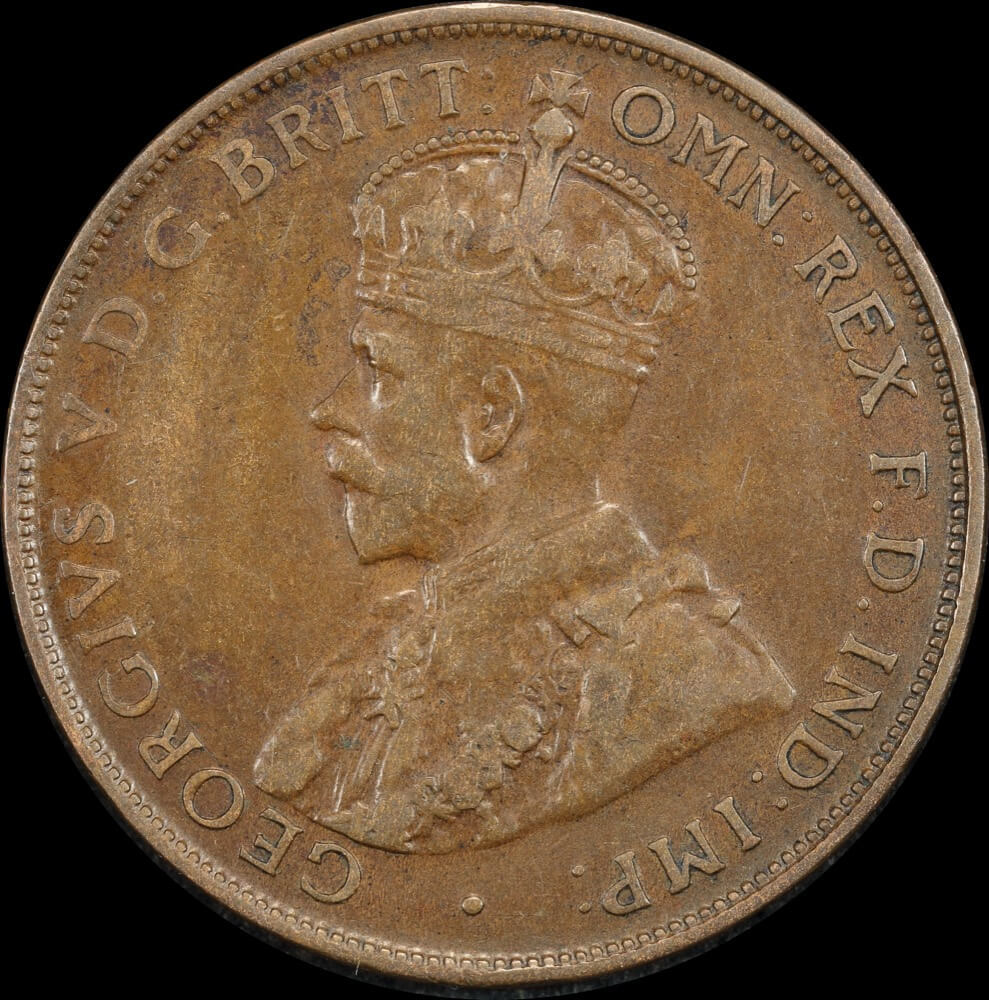
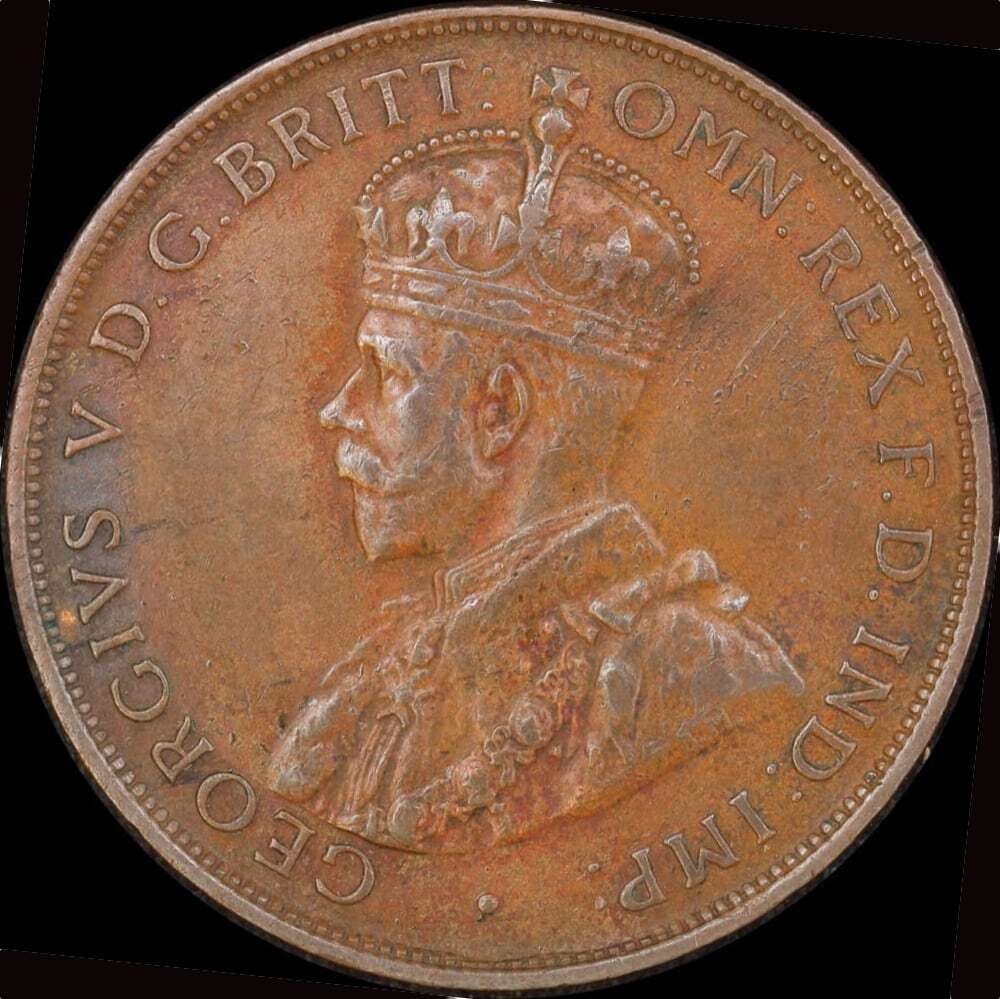
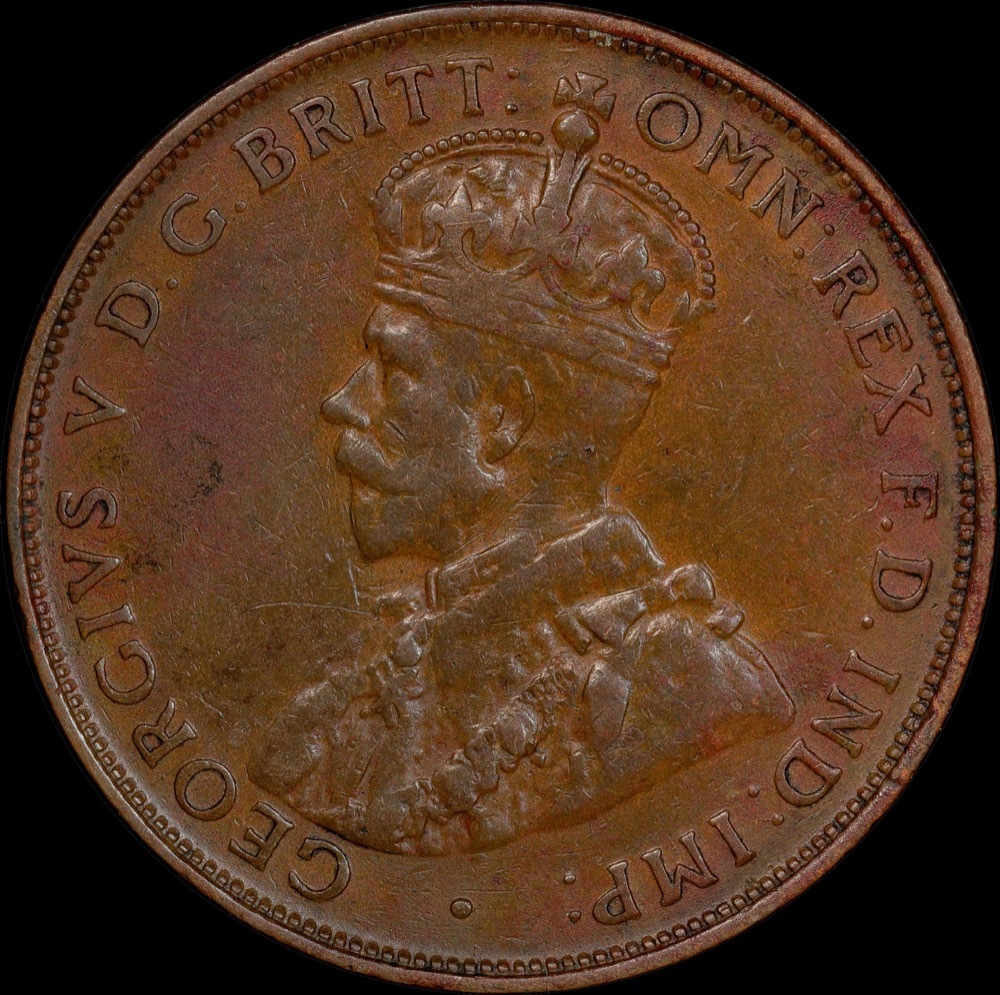
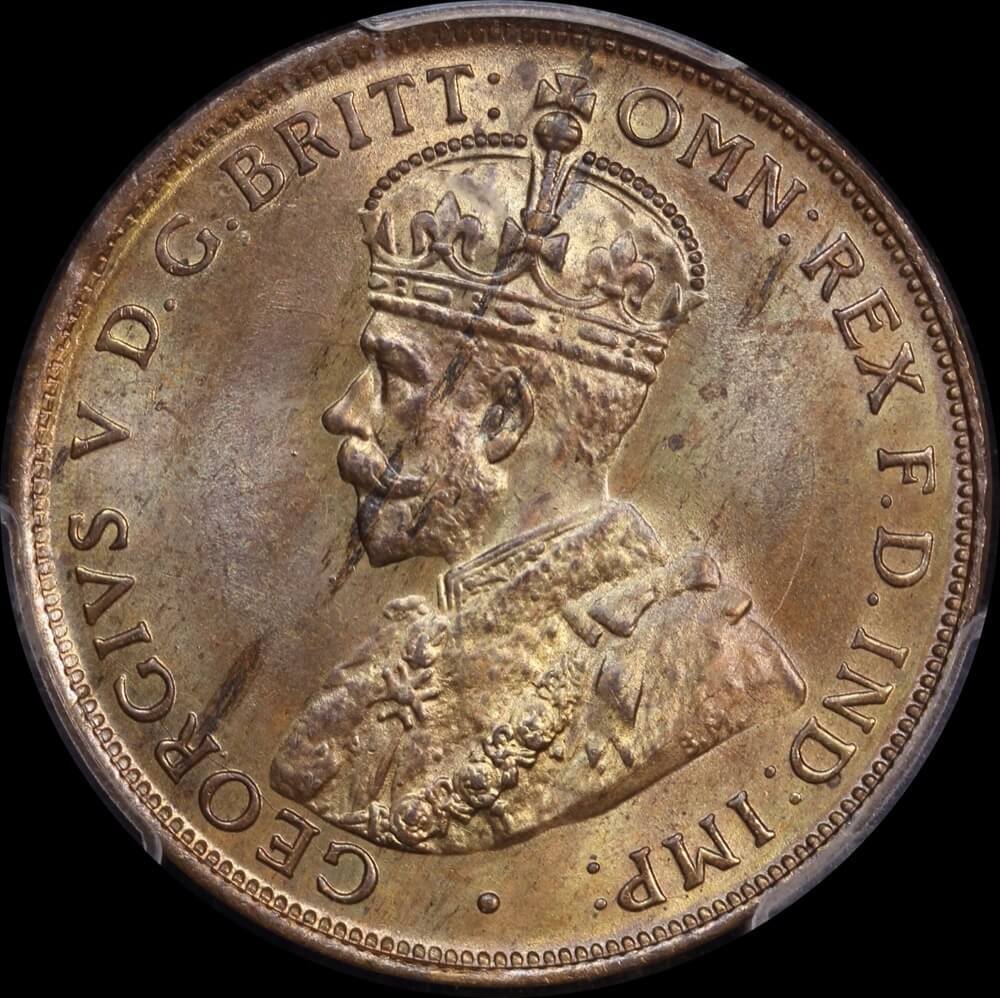
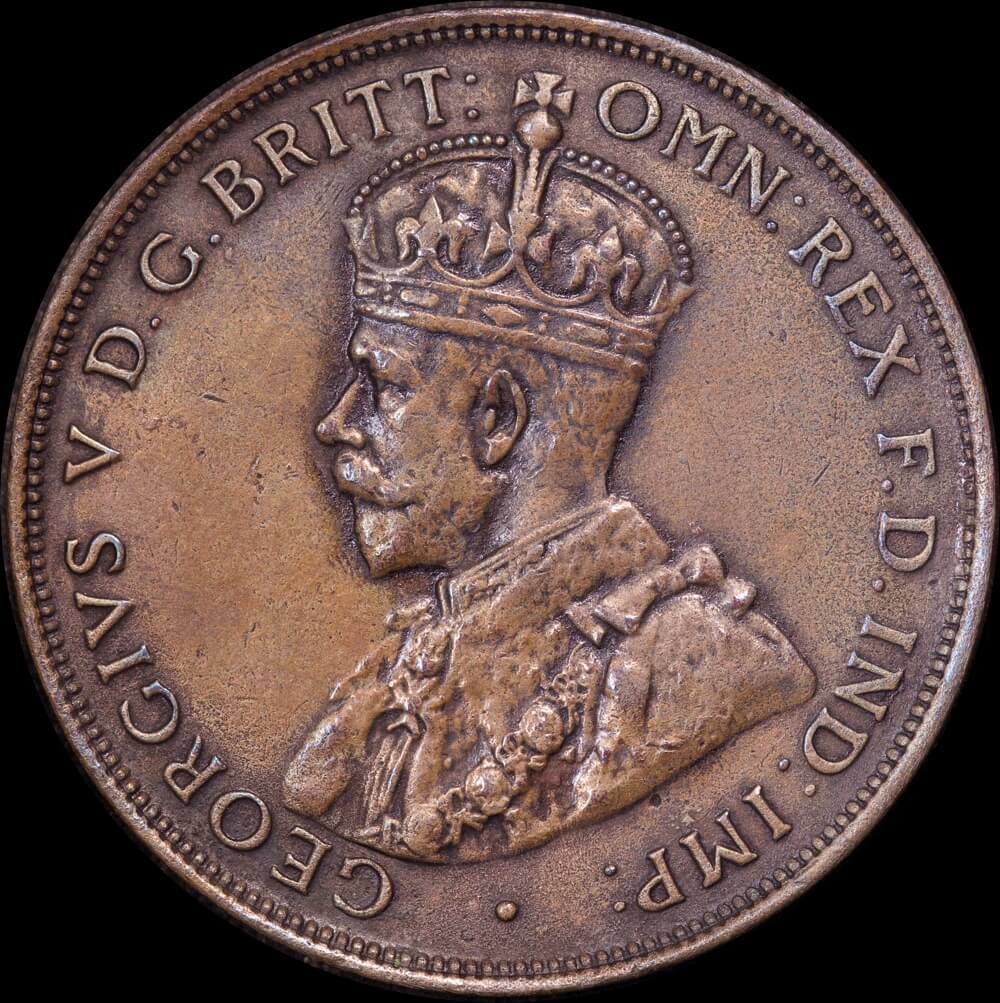
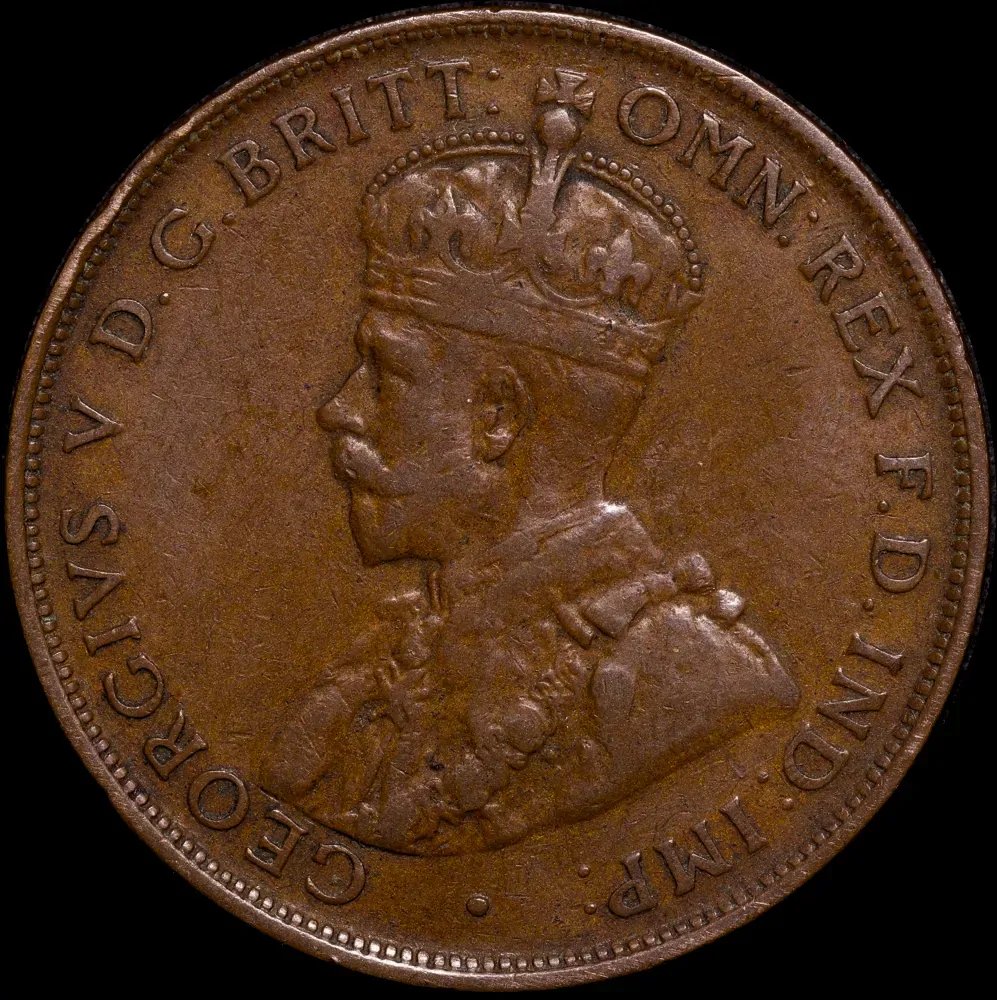
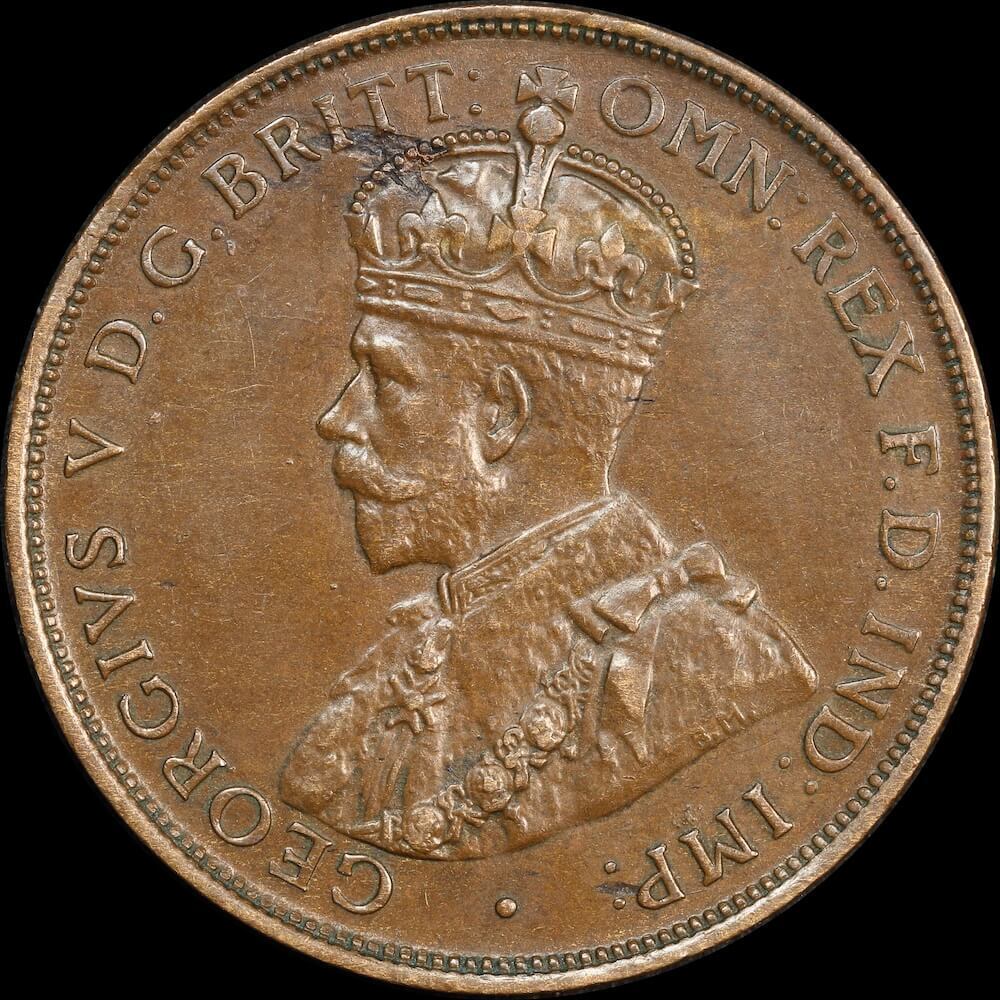
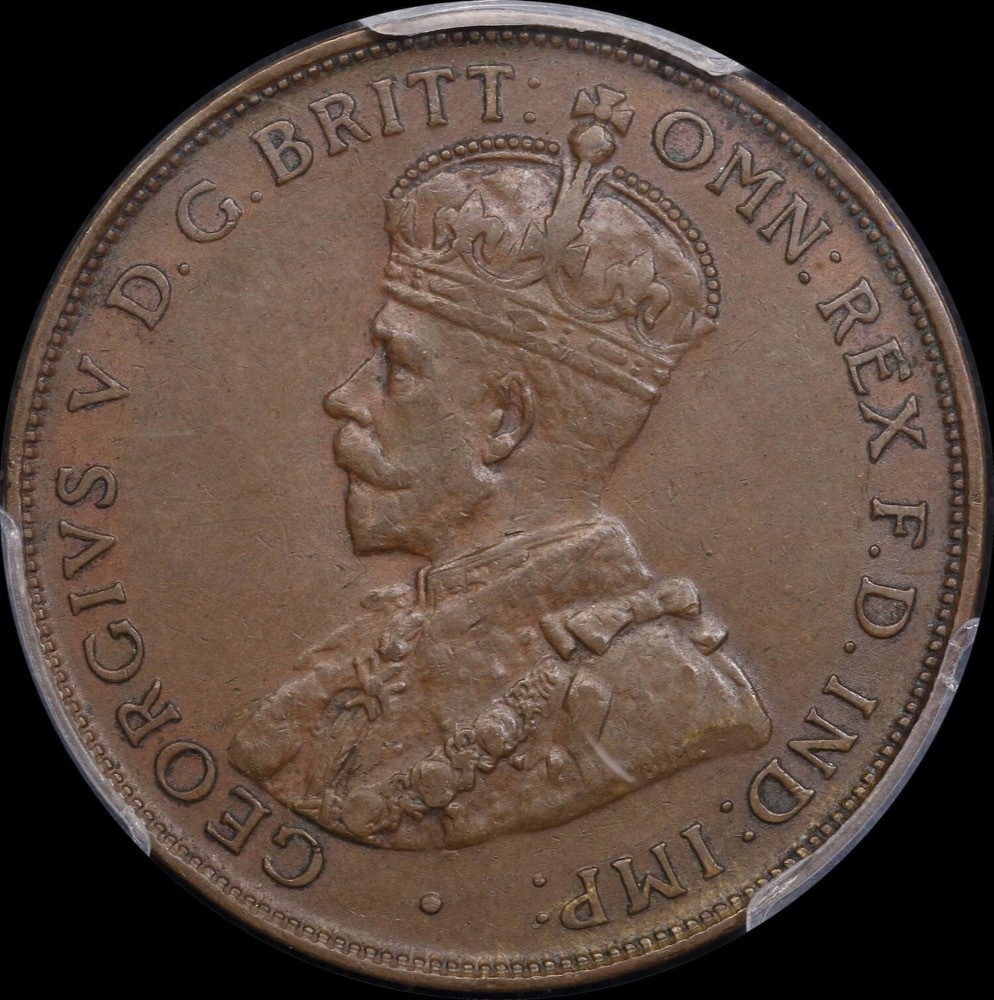
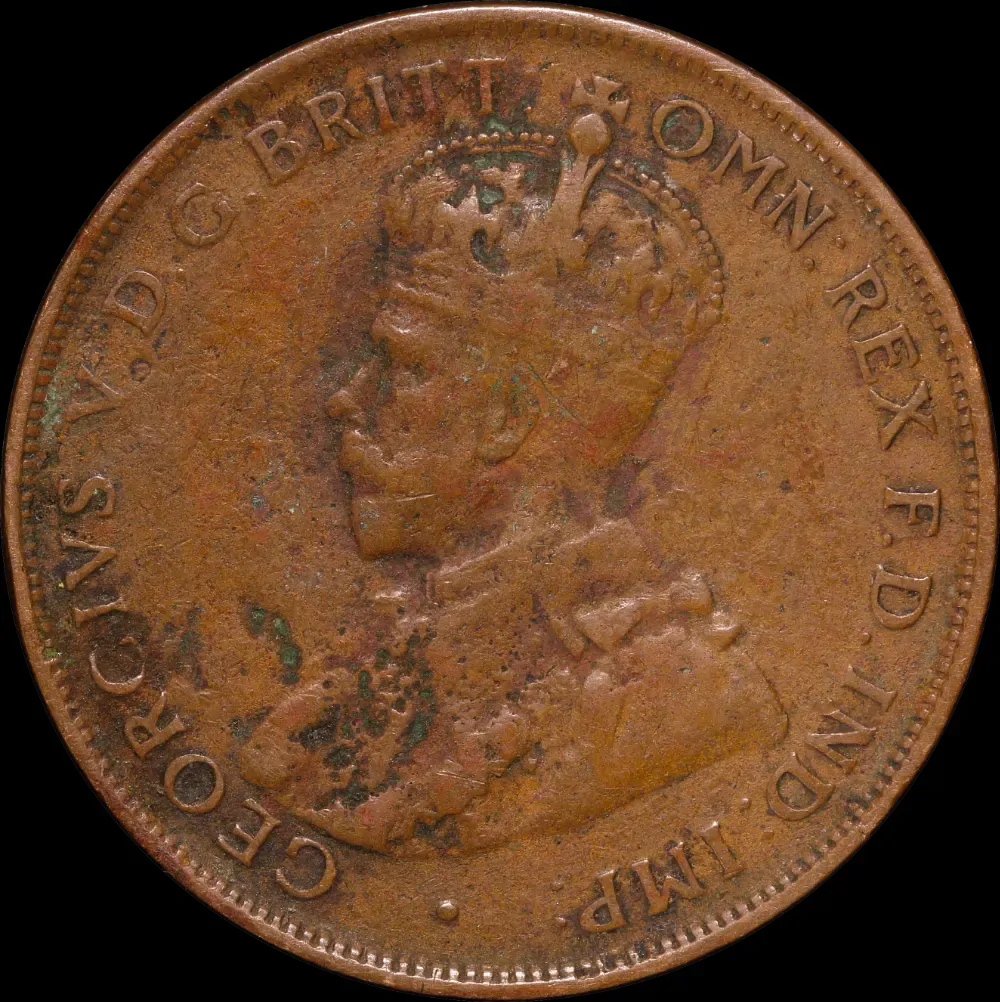
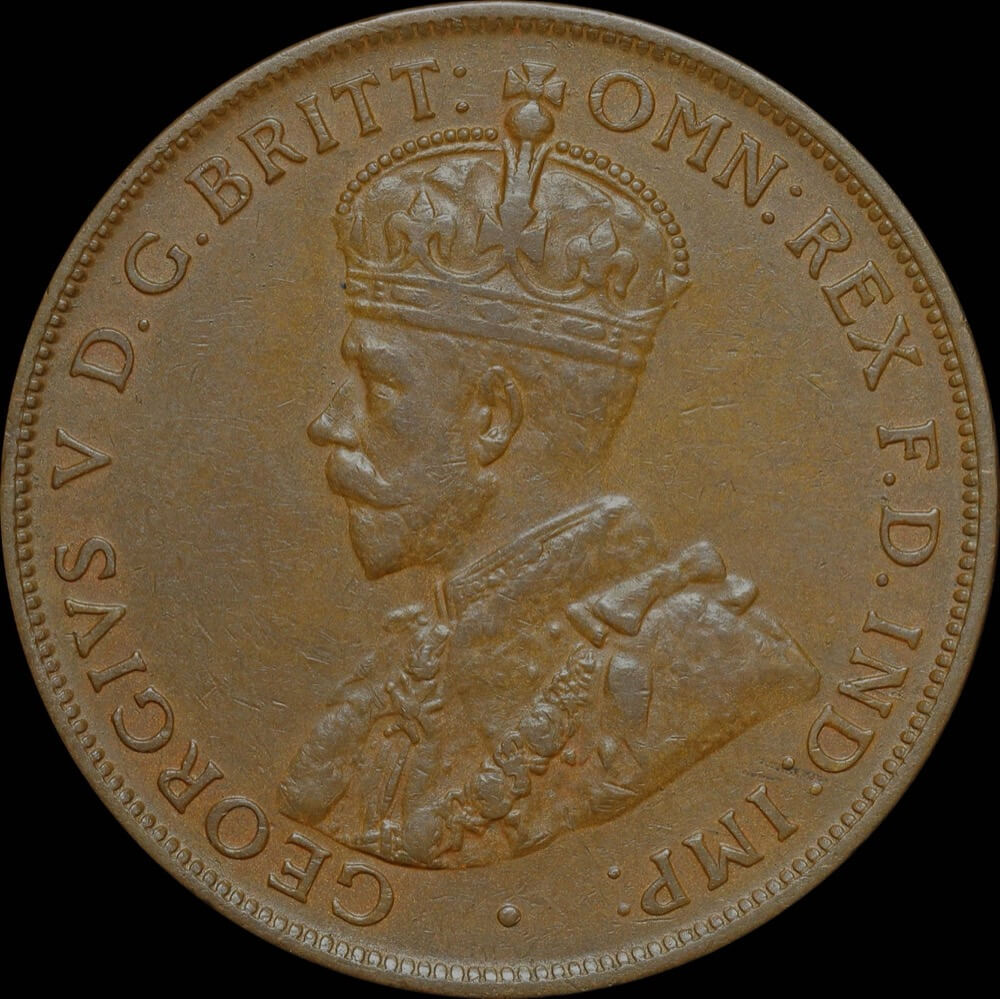
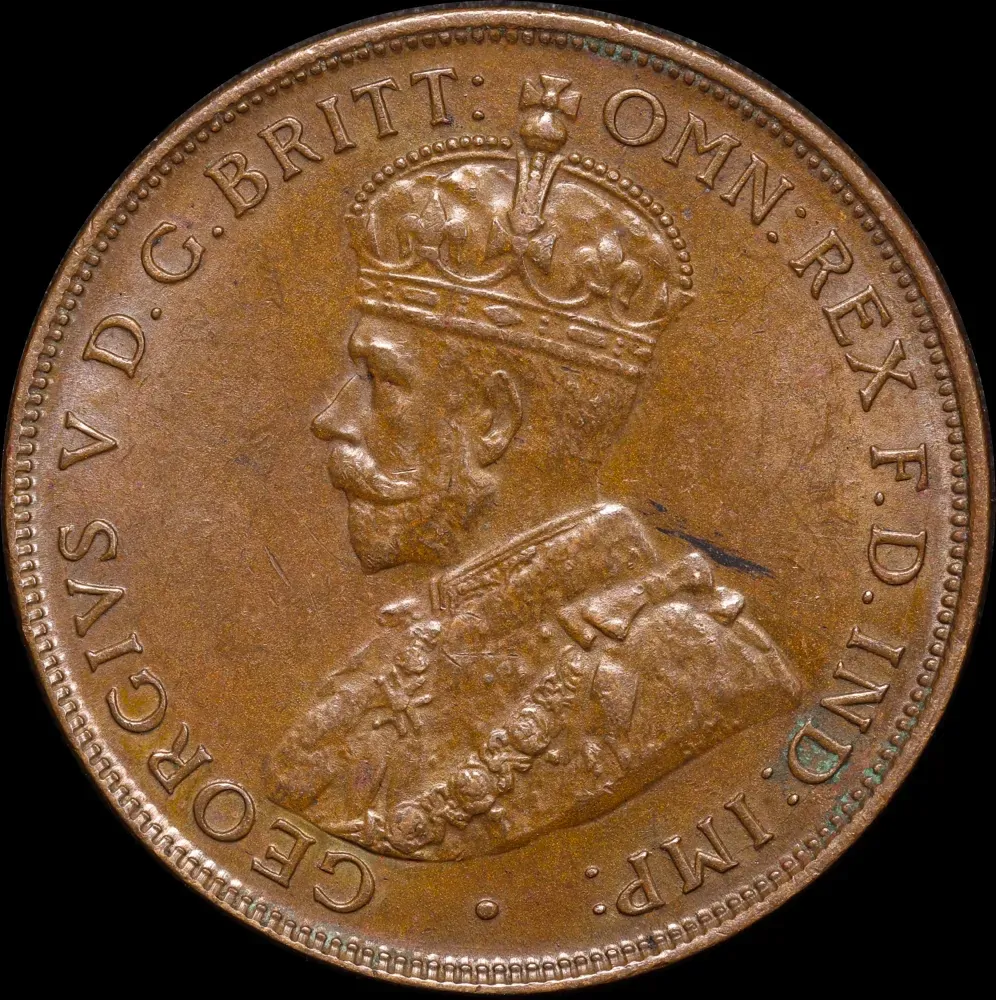
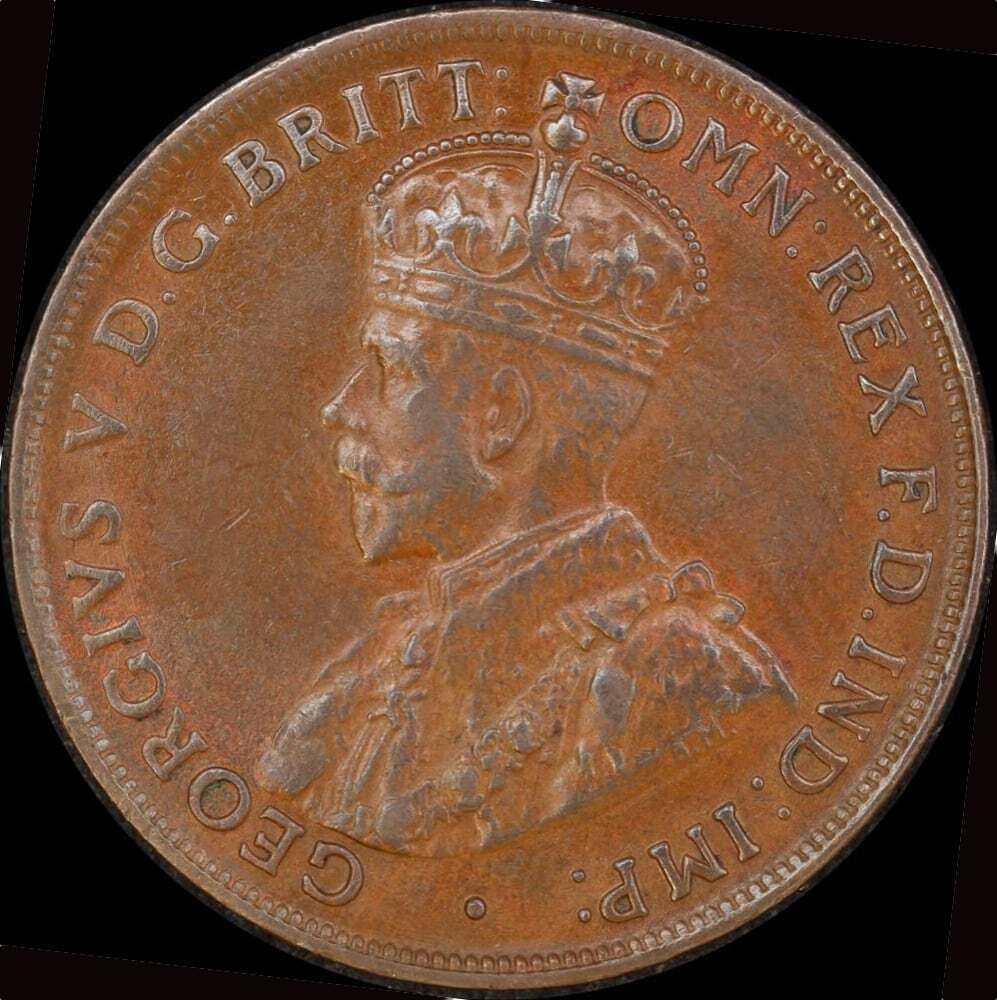
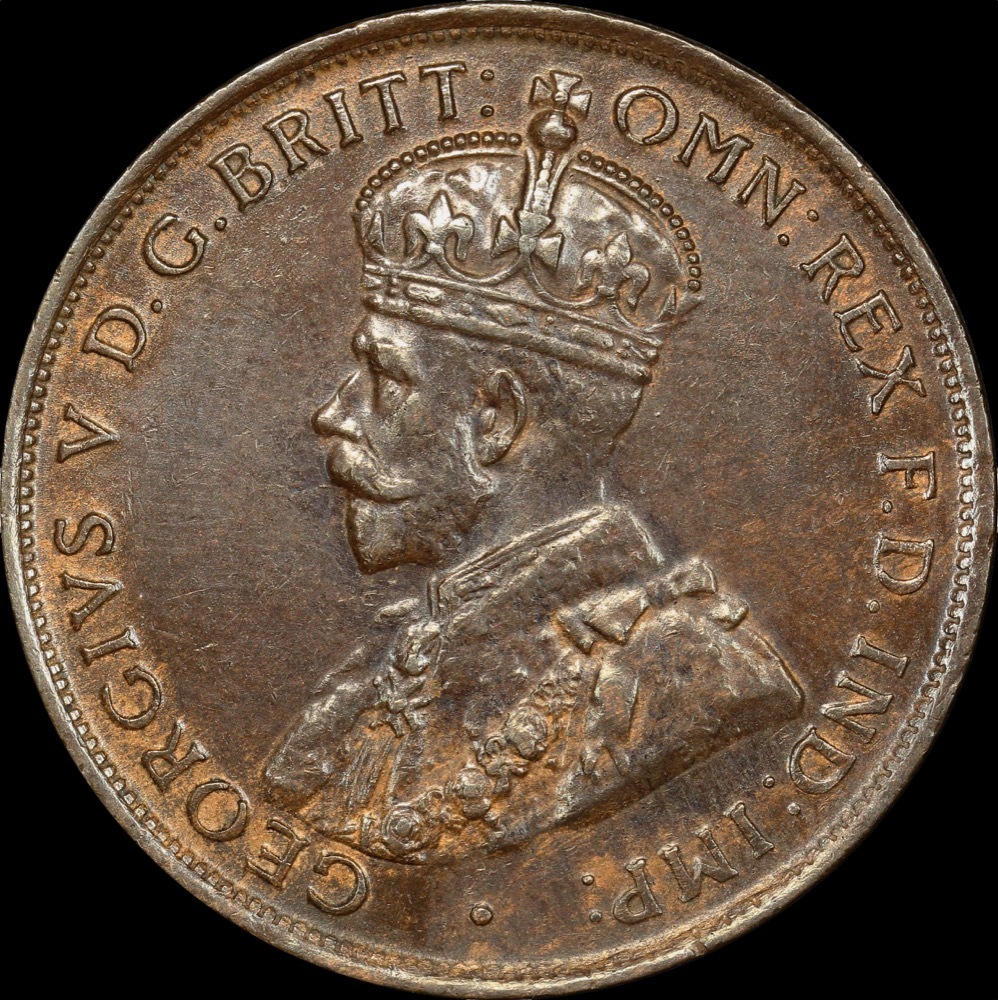
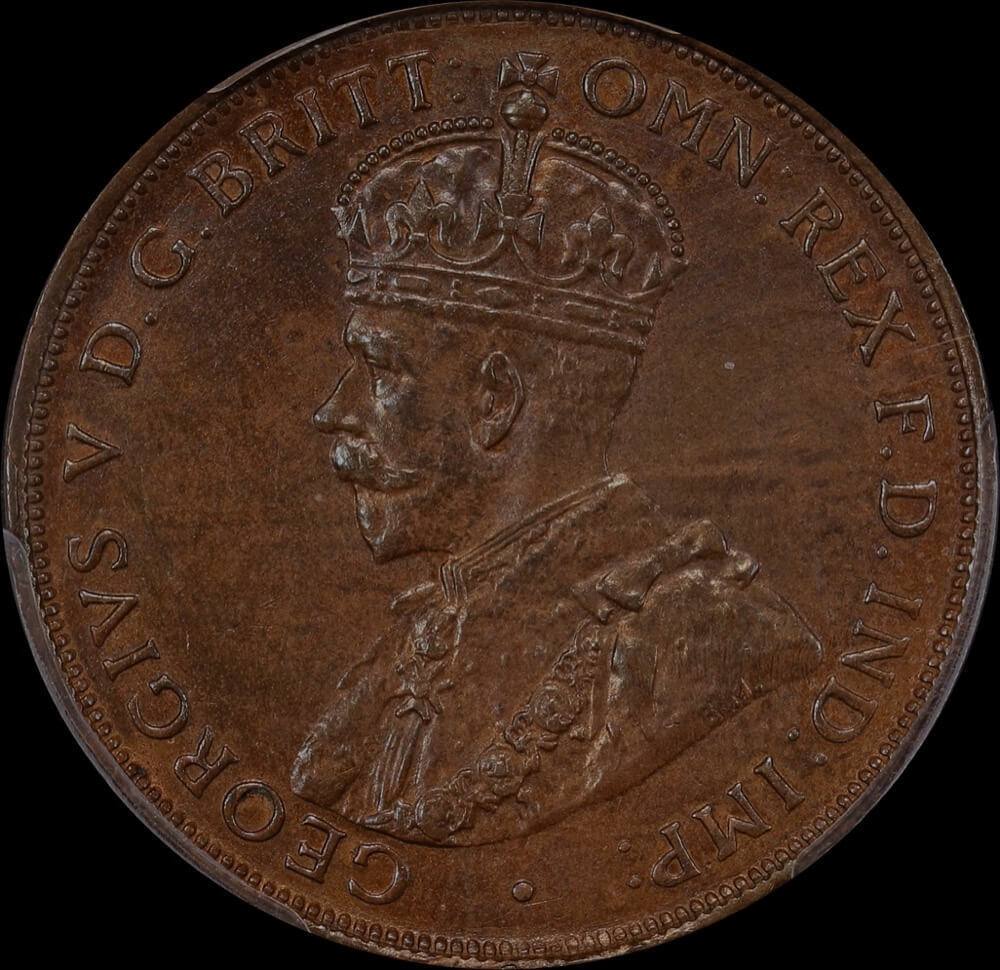
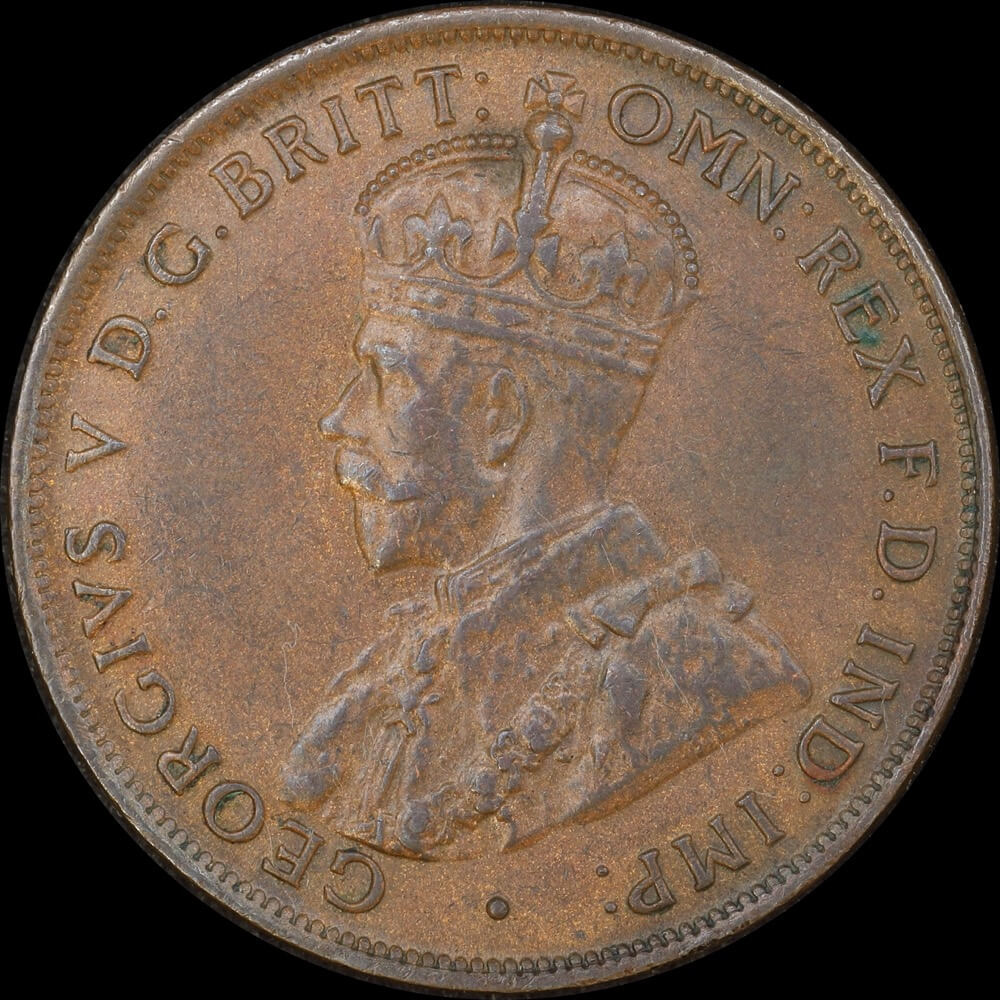
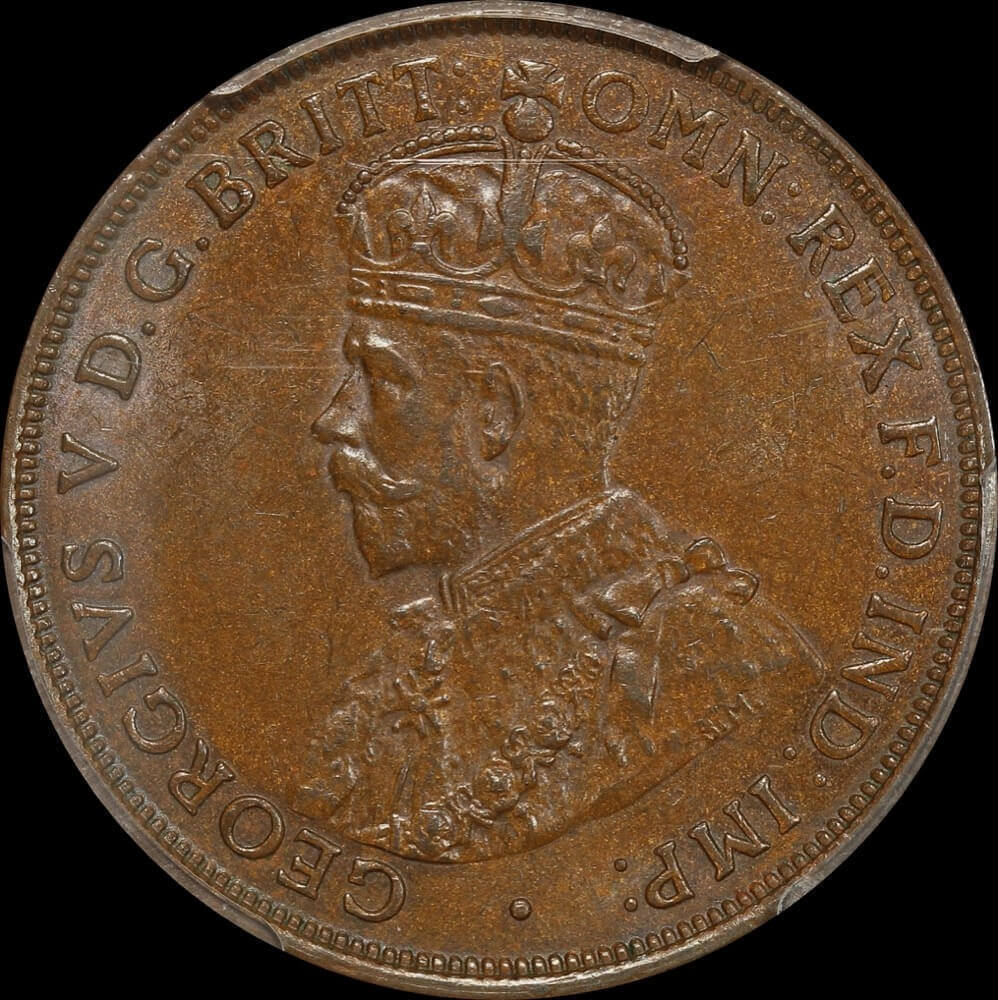
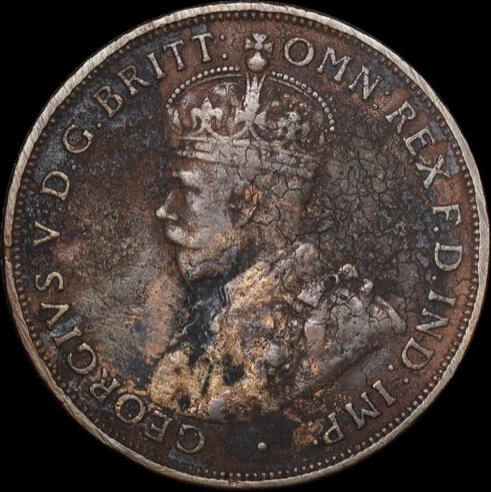
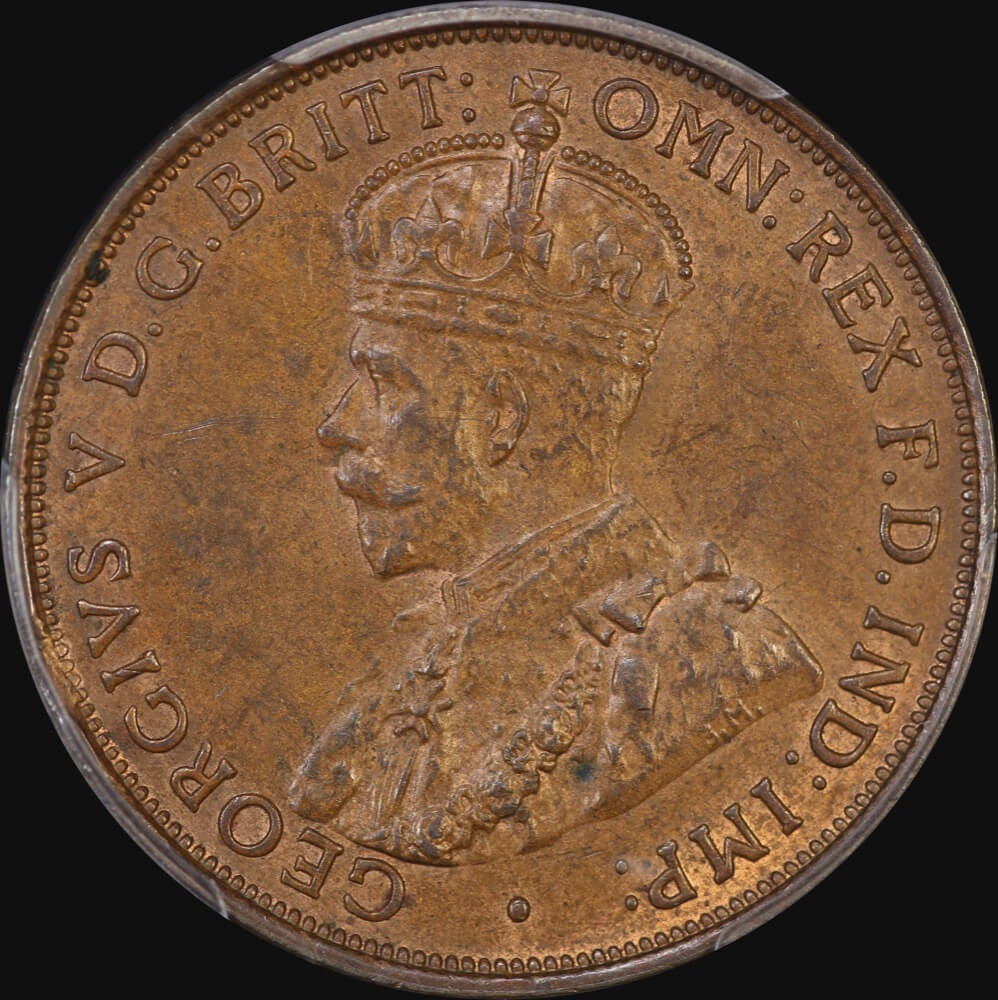
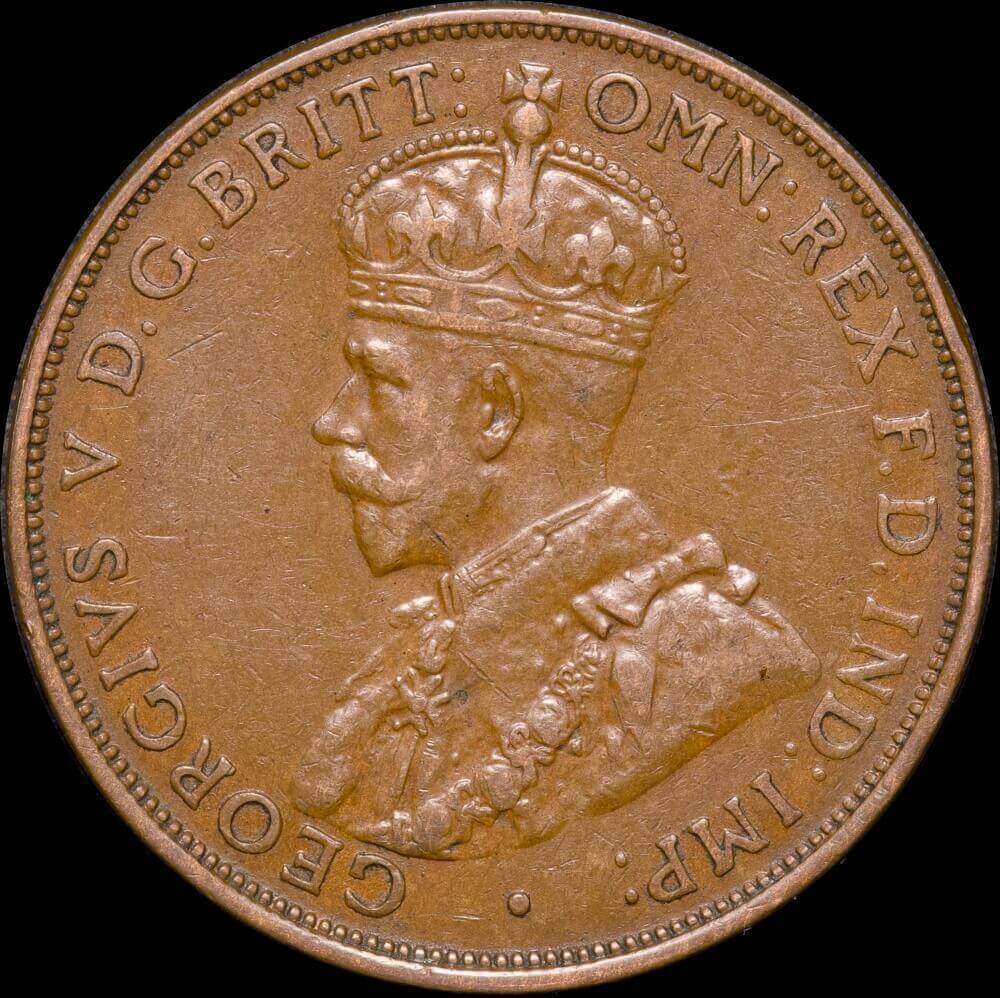
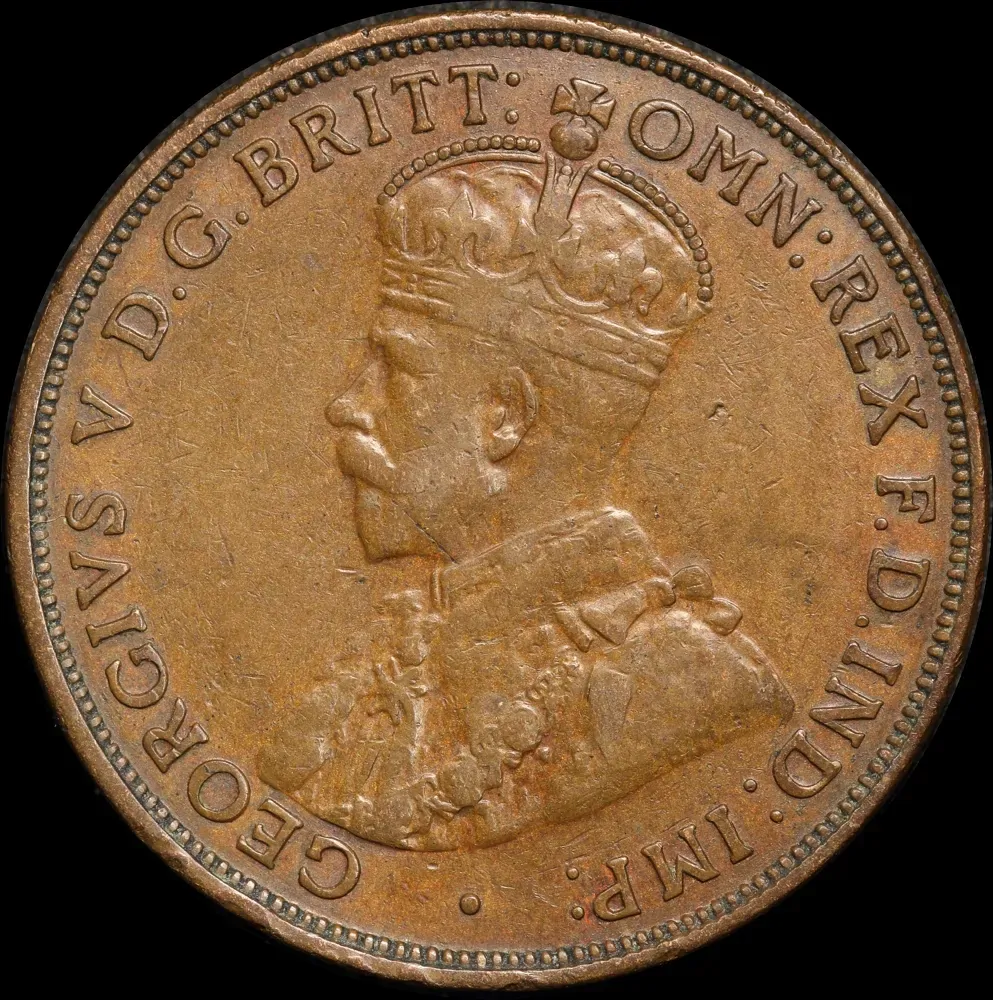
Obverse: Coronate bust of George V to right, legend around
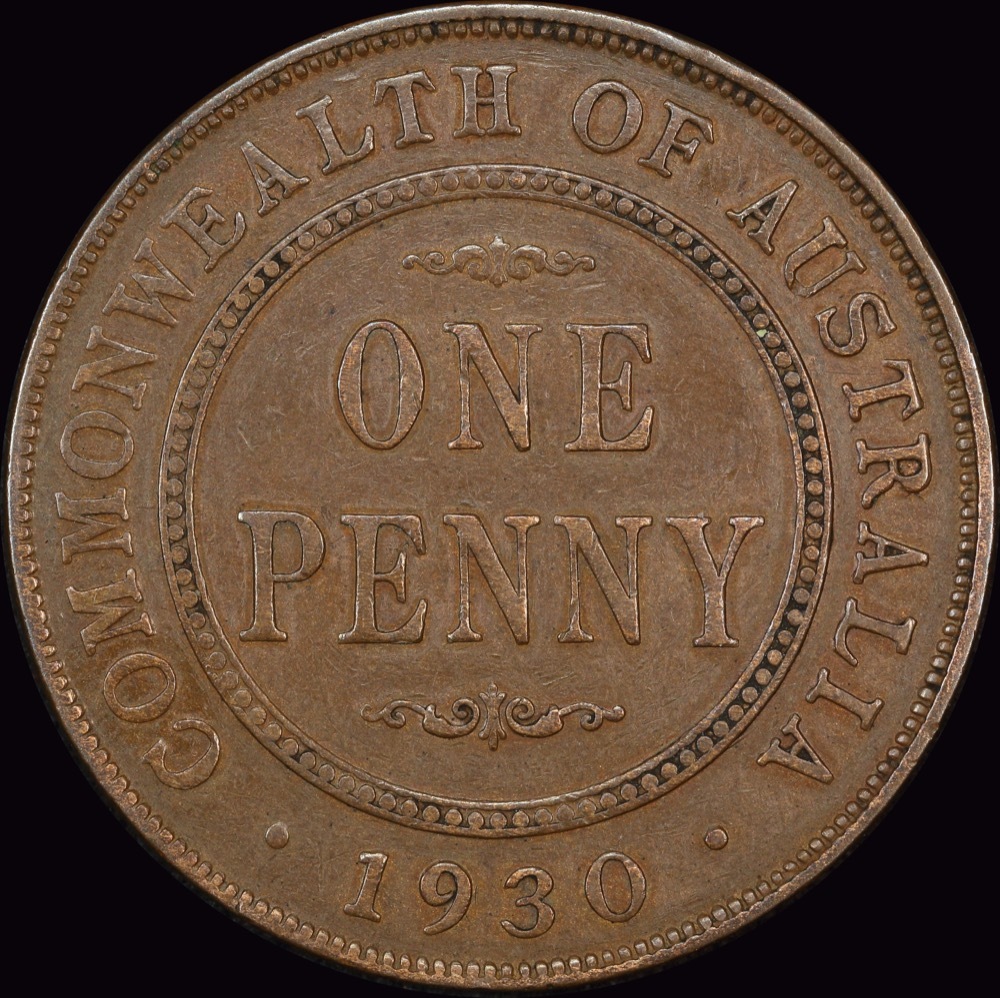
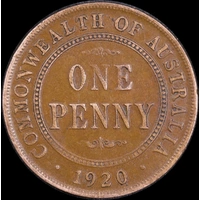
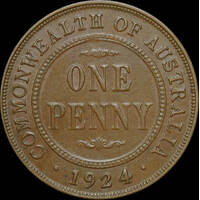
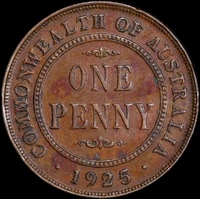
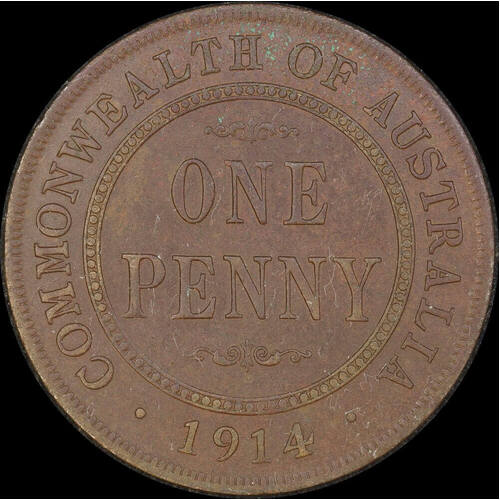
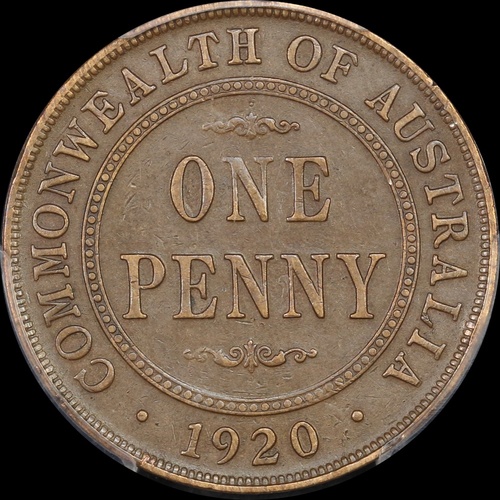
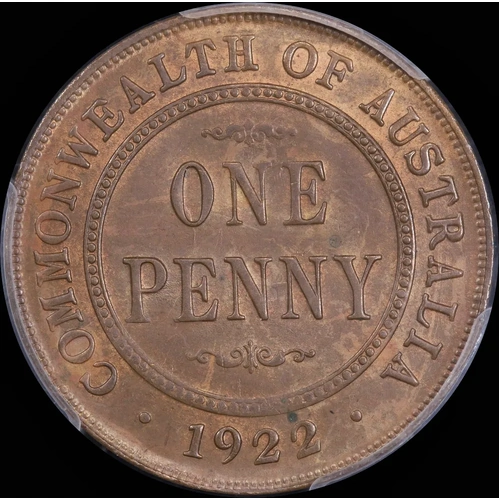
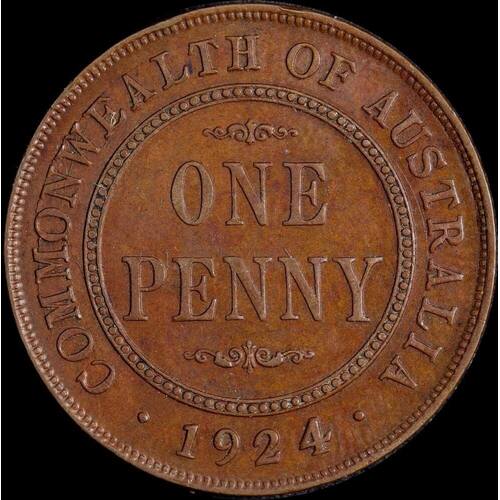
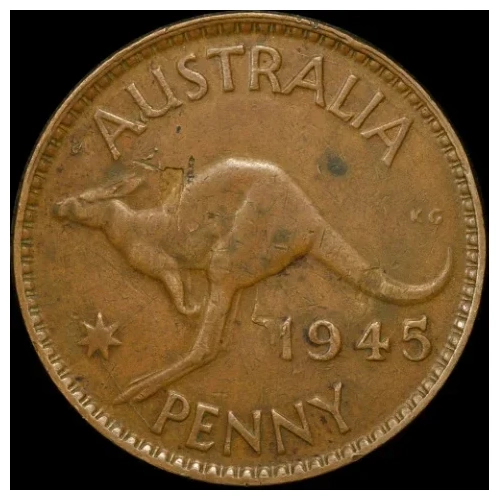
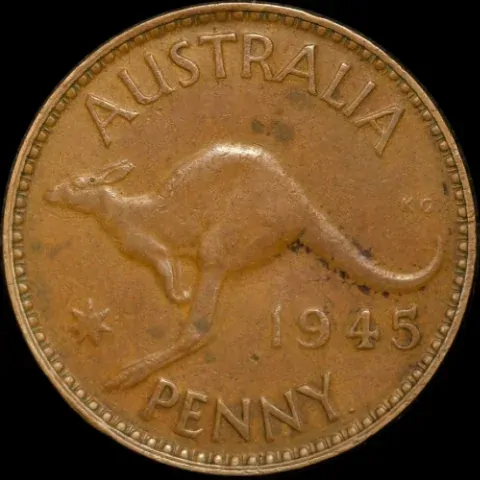
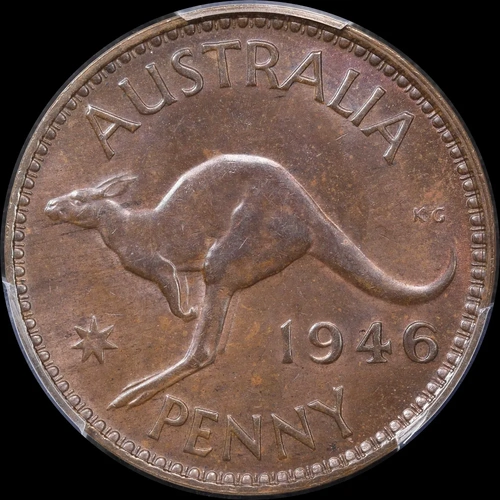
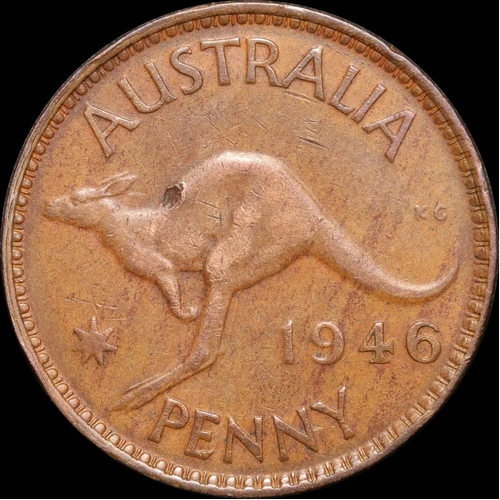
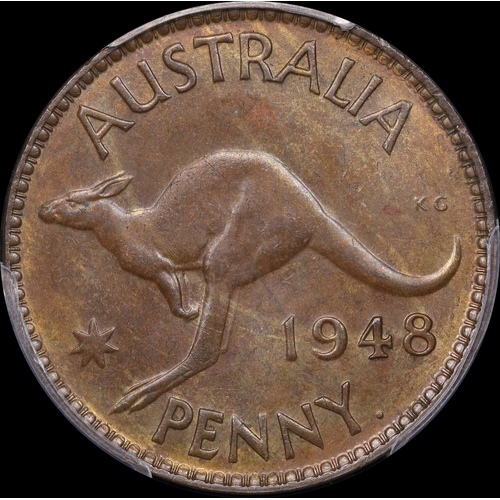
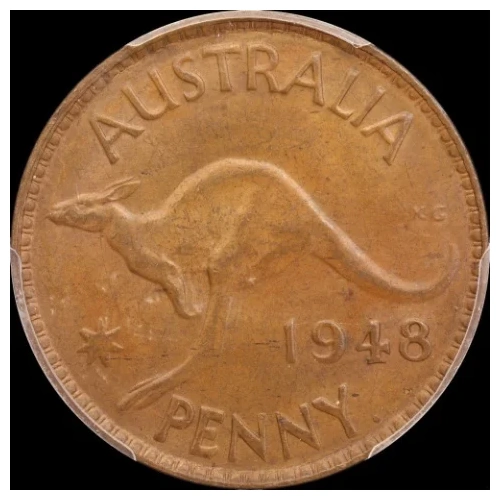
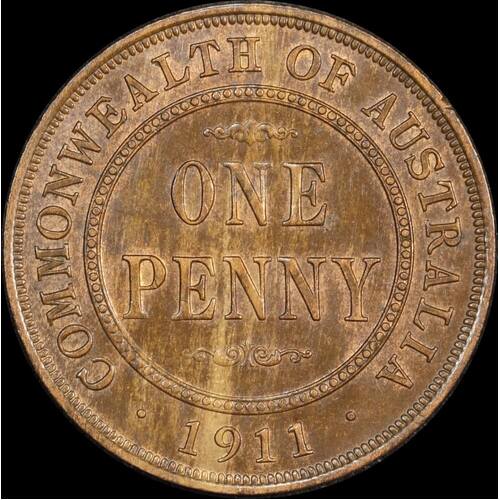
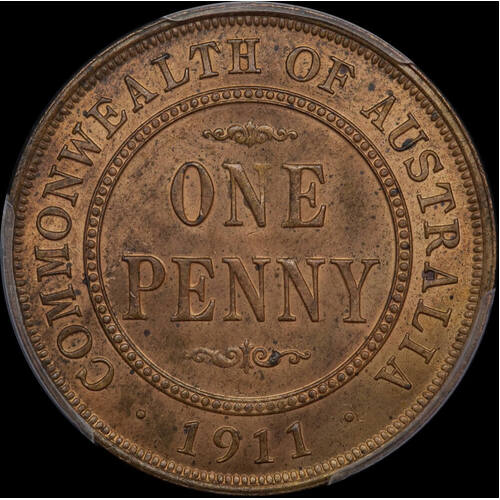
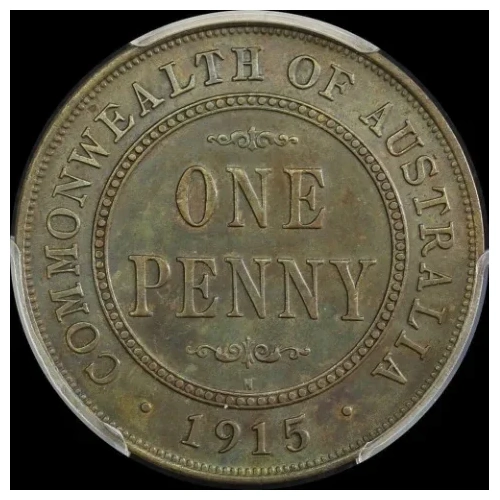
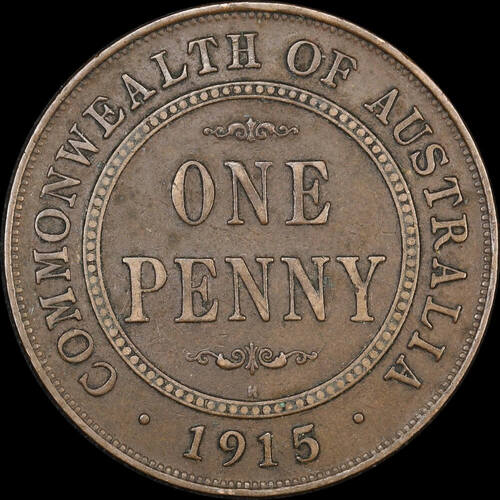
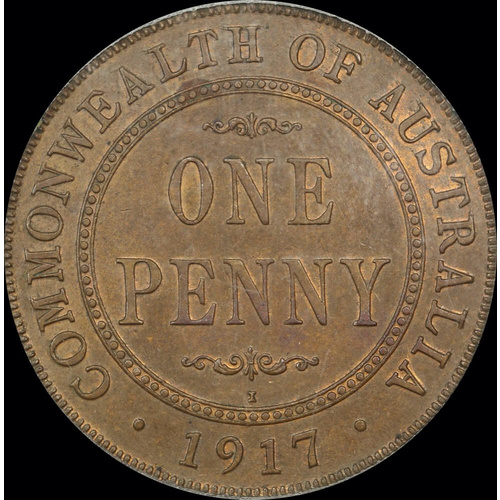
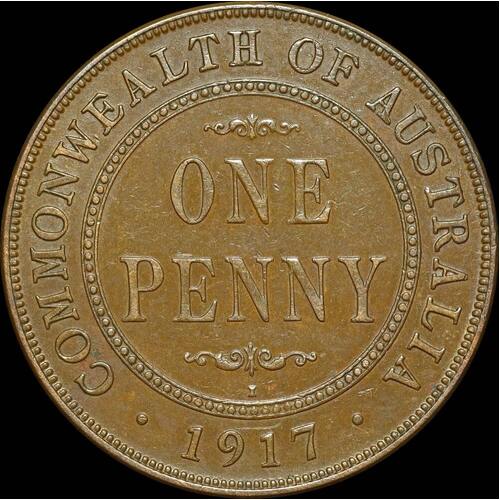
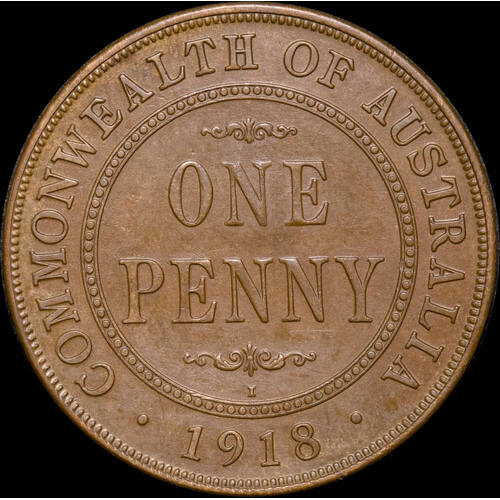
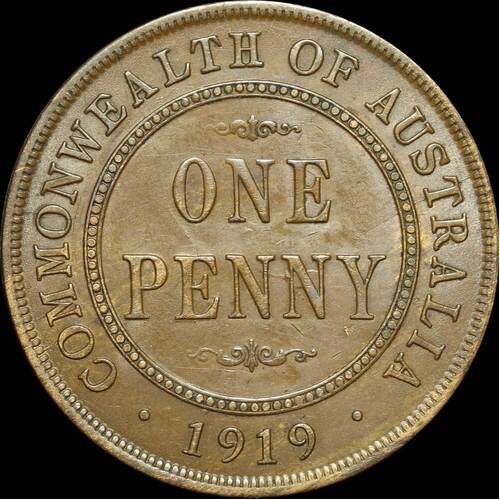
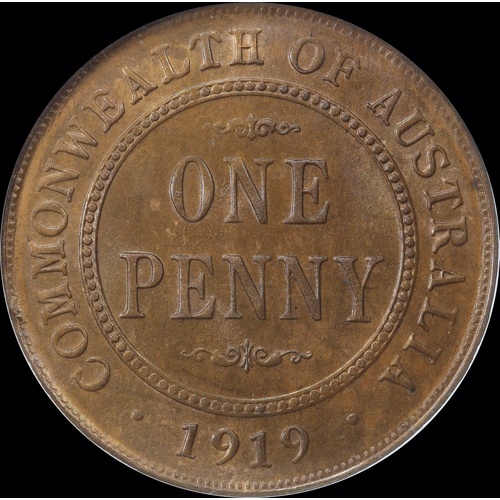
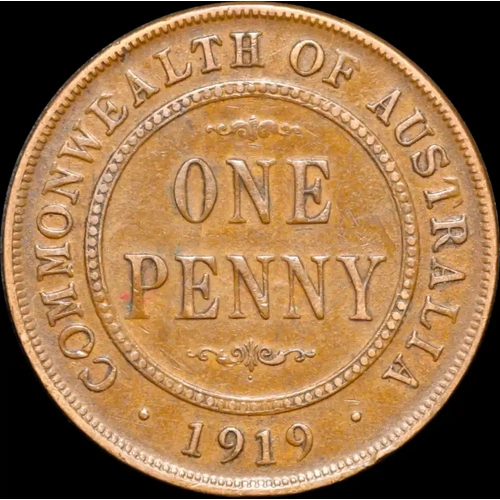
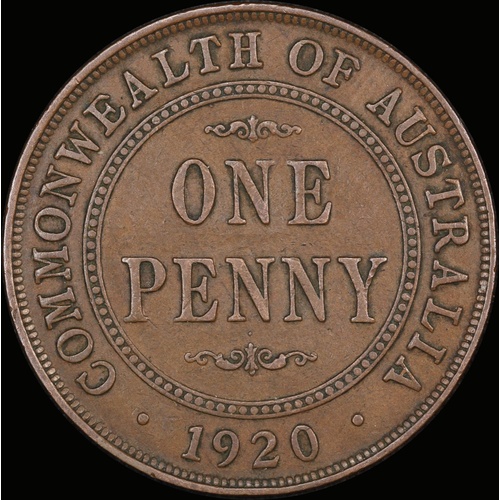
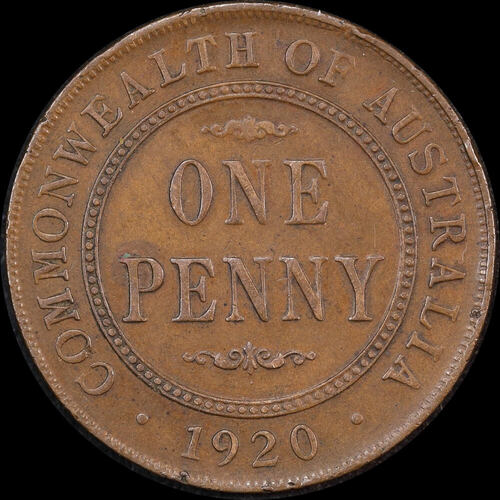
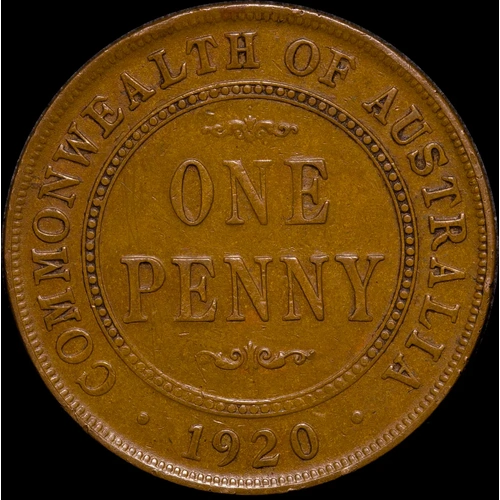
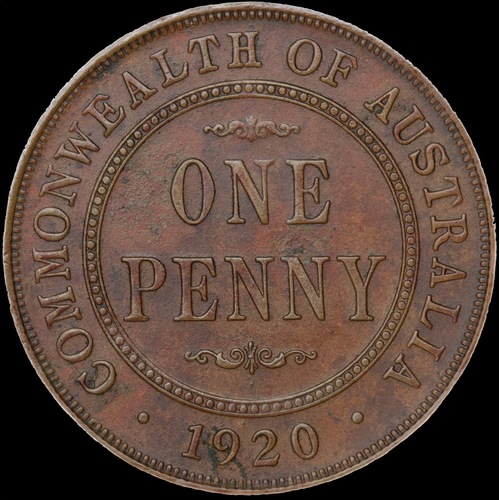
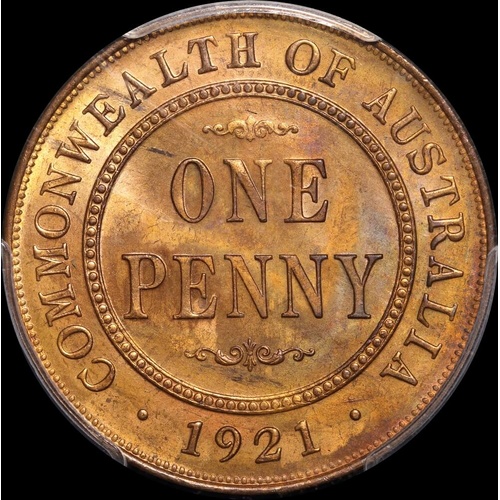
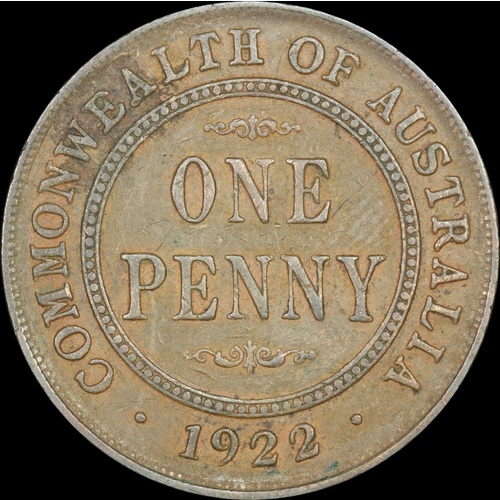
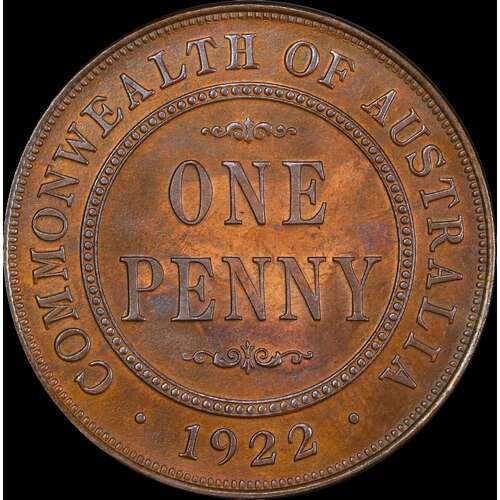
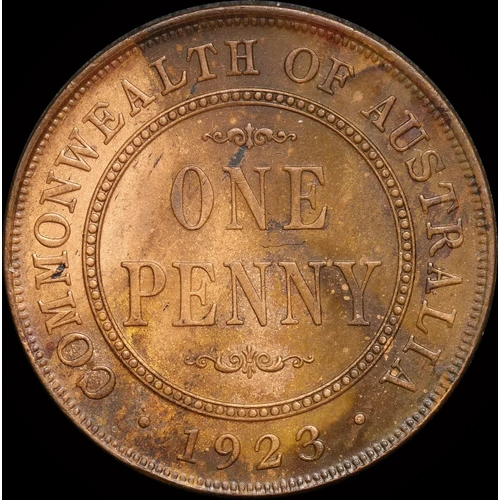
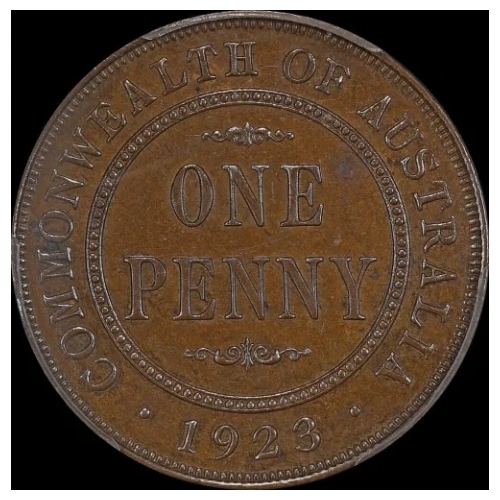
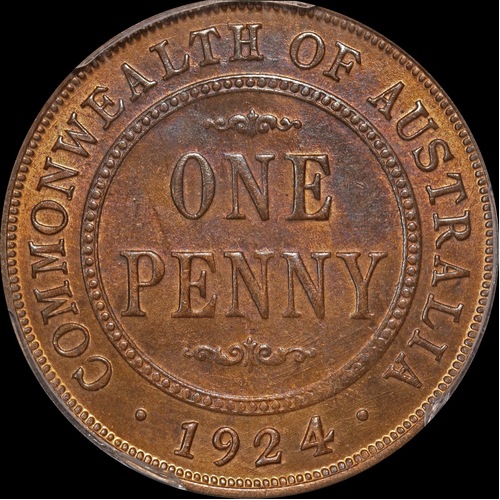
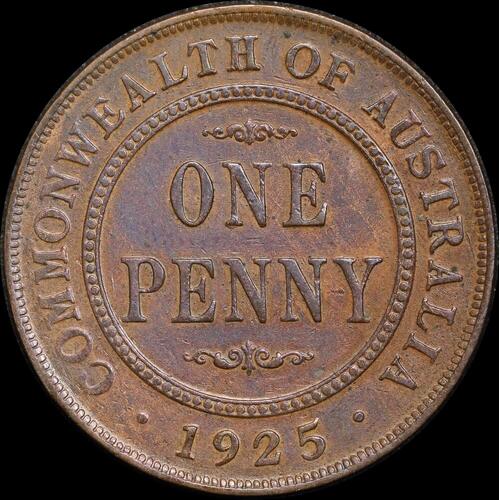
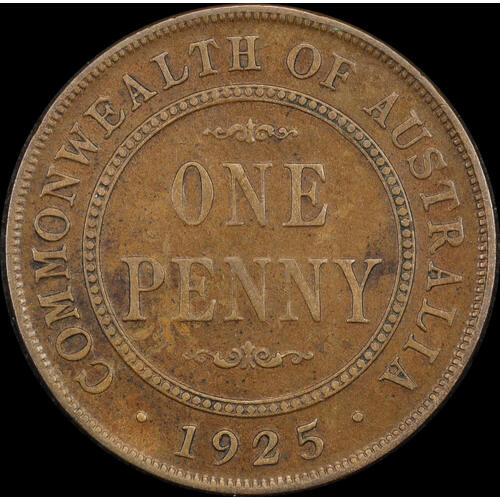
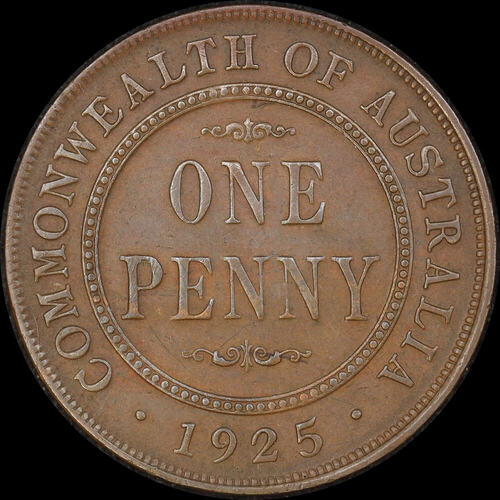
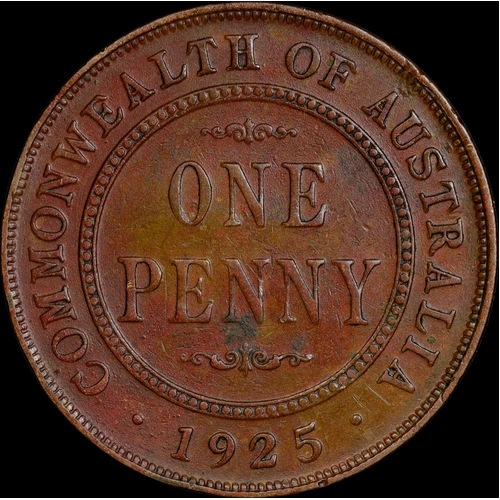
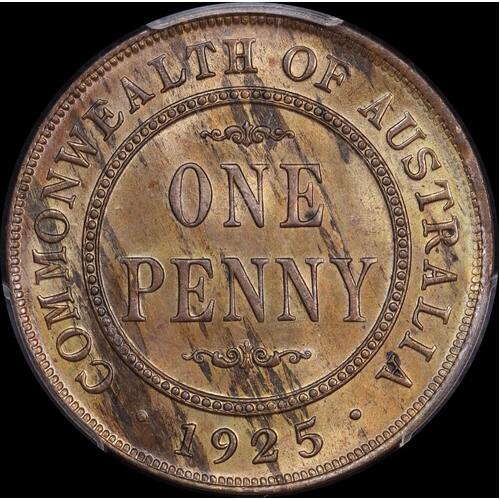
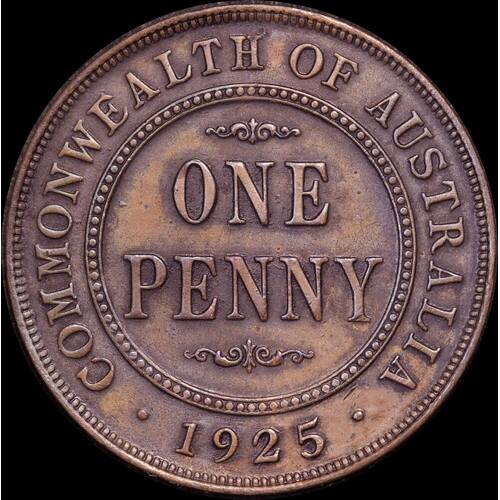
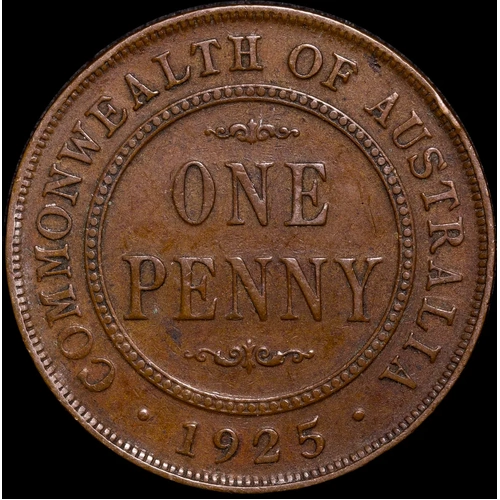
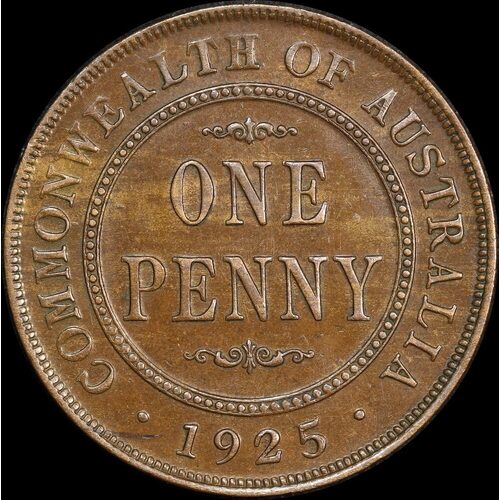
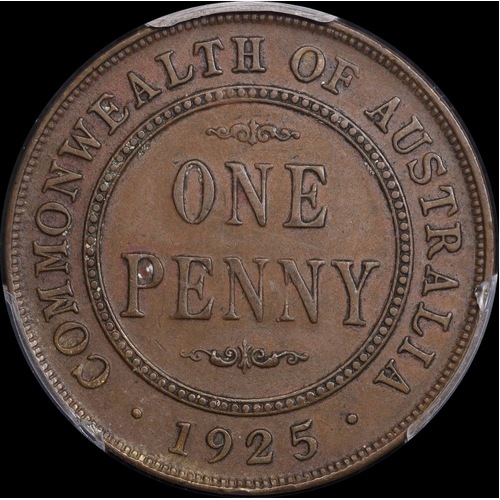
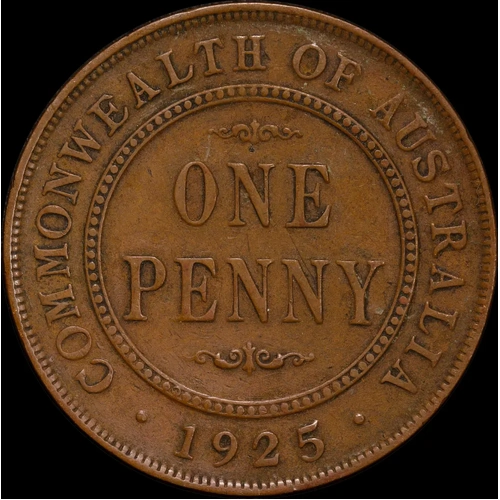
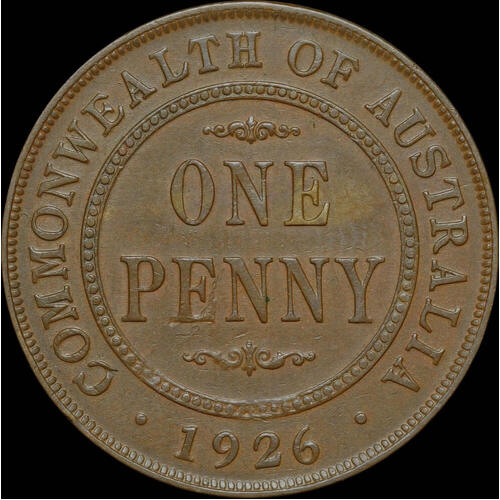
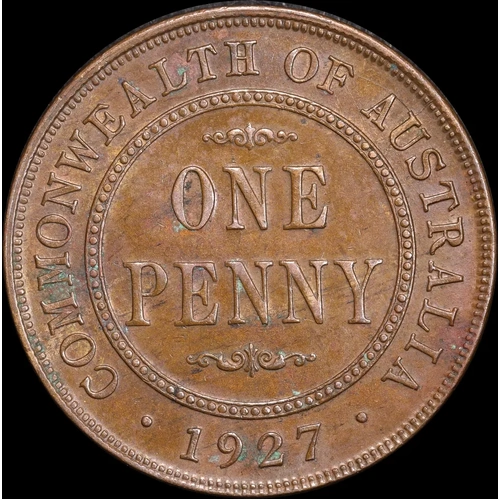
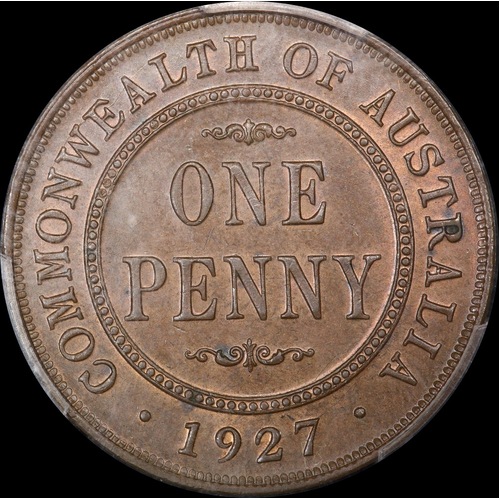
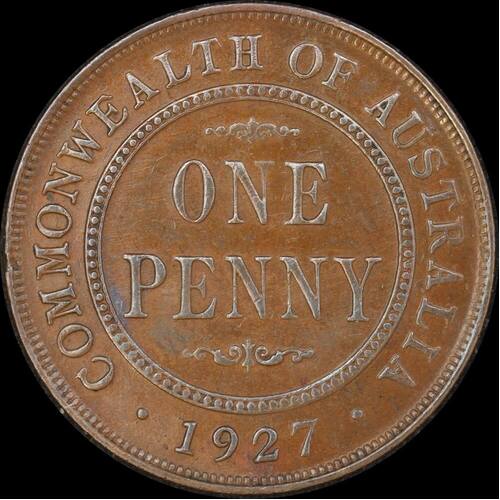
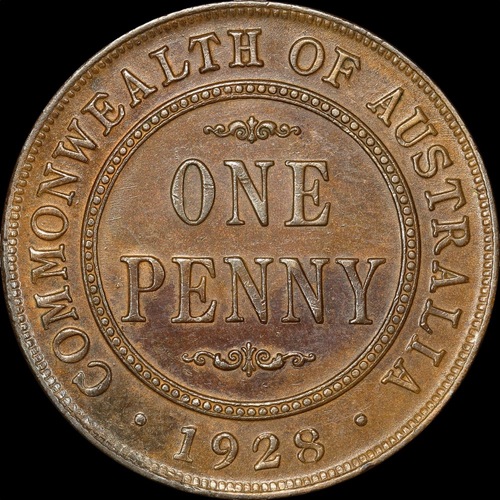
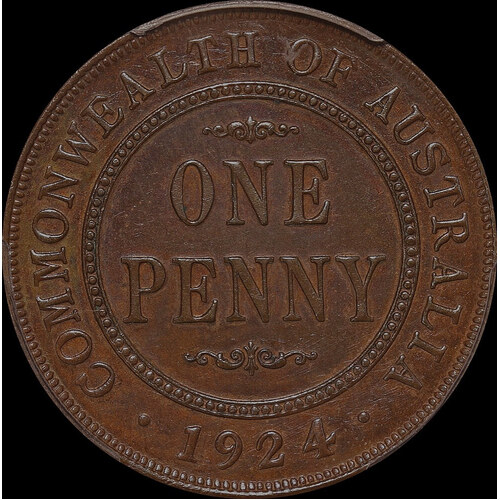
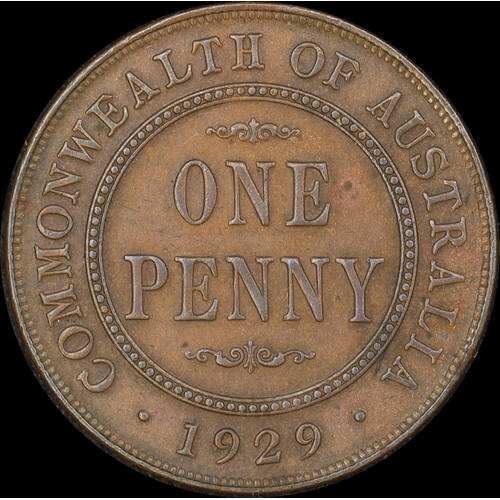
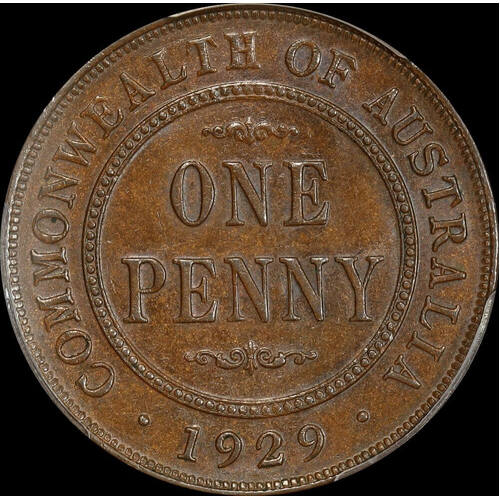
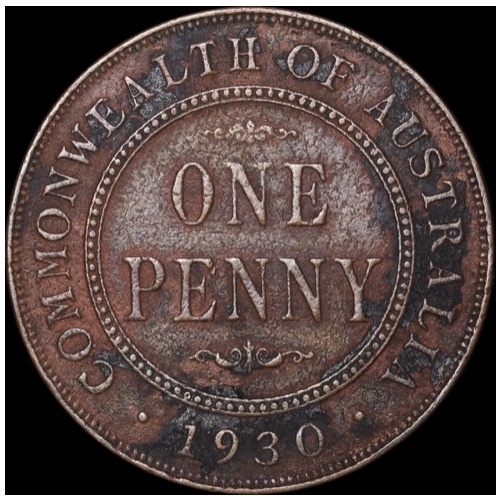
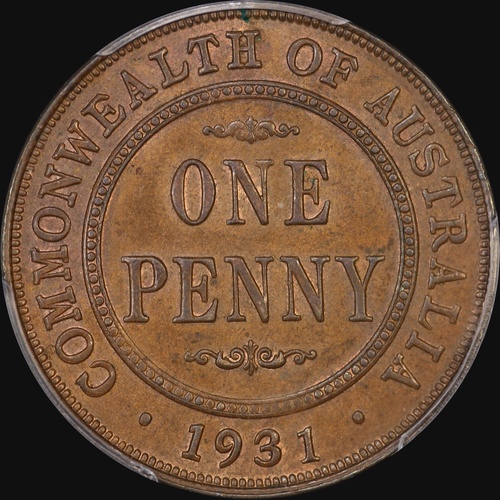
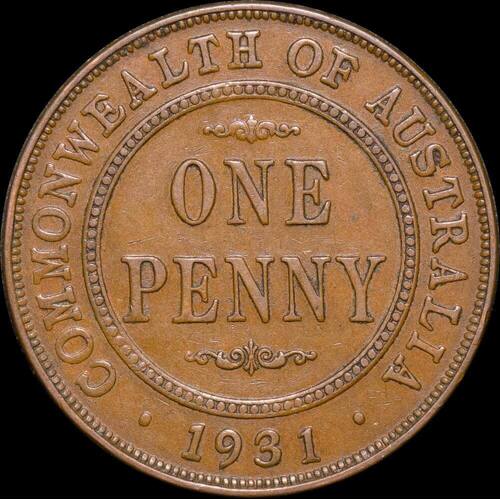
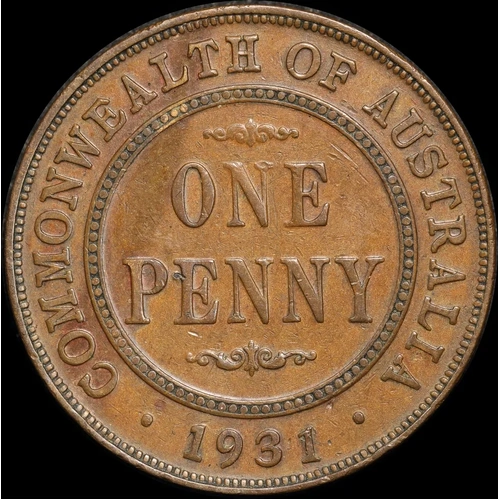
Reverse: Denomination within legend and date below
Provenance:
Stan Church Collection - the "Discovery" example of this variety
ex PJ Downie Auction May 1966. Price realised: £280 (A record price for a 1930 penny at the time)
Private collection 1966 ~ 2019
The "discovery" example of this Australian numismatic rarity.
It is well known among collectors of Australian coins that the simplest way of checking the authenticity of a 1930 penny is to check the obverse - if it has the London obverse, then it's a counterfeit.
Every rule has an exception though, and the above test is no different. That's because there are 3 or 4 genuine examples of the 1930 penny with the London obverse. Because they are so incredibly rare, they're hardly ever seen or discussed.
That is unfortunate because the story behind the rarity of this variety adds a great deal to the history of the 1930 penny overall, regardless of which variety it is.
Collectors have been so hard-wired to be suspicious of any 1930 penny with the London obverse that it is hardly surprising that when the discovery of this variety was first announced in August 1966, even though the coin had been authenticated in writing by the Royal Australian Mint (RAM), the response from the numismatic community was tepid, to say the least.
The Discovery Coin - Stan Church
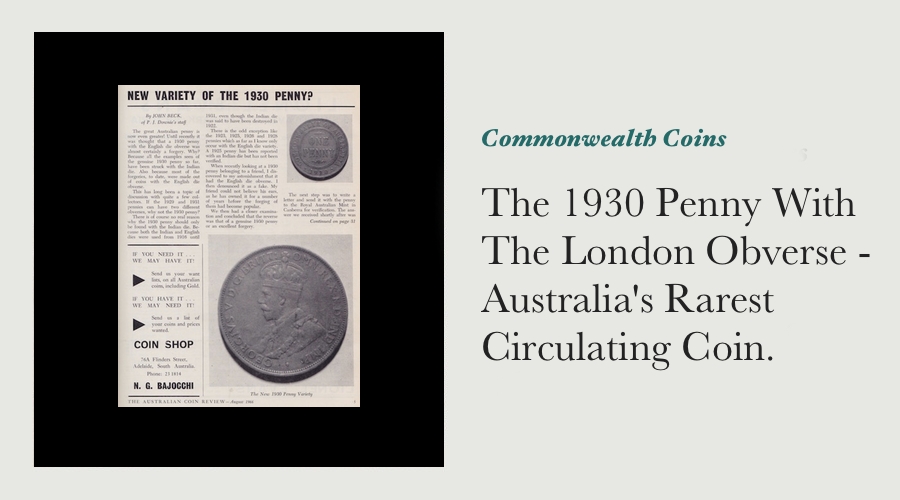
The Church example of the 1930 penny with the London obverse was the first example sighted. It was publicised in the Australian Coin Review Magazine in August 1966. John Beck, a staff member at the Melbourne numismatic and philatelic auction firm PJ Downie's wrote the following:
“When recently looking at a 1930 penny belonging to a friend, I discovered to my astonishment that it had the English die obverse. I then denounced it as a fake. My friend could not believe his ears, as he has owned it for a number of years before the forging of them had become popular. We then had a closer examination and concluded that the reverse was that of a genuine 1930 penny - or an excellent forgery. The next step was to write a letter and send it with the penny to the Royal Australian Mint in Canberra for verification. The answer we received shortly after was that the penny was genuine[1].”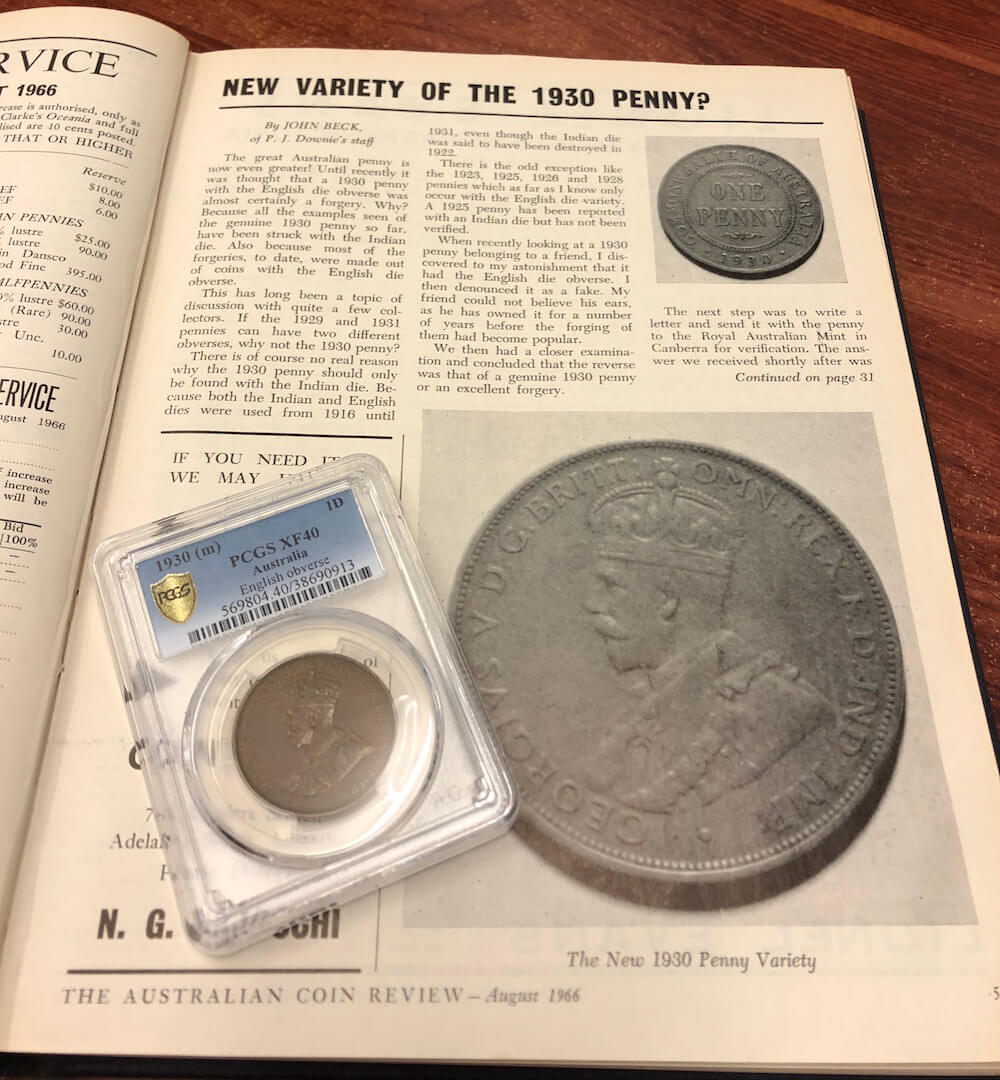
An editorial comment following Beck's article was rather reserved: “As the Editorial staff of Coin Review did not have the opportunity to study the 1930 penny described in this article before it was auctioned recently, we can merely reproduce the article without comment. However, we have seen the letter from the Royal Australian Mint, and cannot but treat this matter with serious regard.”
The reason for that reserve may have been a qualifying comment by the Deputy Master of the Royal Australian Mint in his authentication report: “We do not have X-ray facilities at the Mint so that our testing falls short of the certainty provided by this method.”
In an address to the Numismatic Association of Victoria in 1966 (subsequently published in the September 1966 edition of the ACR), Phil Downie recounted the circumstances leading up to the attribution of the Church 1930 penny. In the following passage, Downie describes the auction the coin was offered in:
“May '66: F, £ 230, abt. VF, £ 280, Record. For this sale in May there was not one penny available either from my stock nor from vendors, and I prevailed upon Mr [Stan] Church [an employee of the firm] to place one in the auction. After the catalogue was printed John Beck Junior made the discovery that it was an English Die. And in the August Coin Review, this discovery was publicised.[2]”
From this account, we can see that the coin was authenticated by the Royal Australian Mint and that it was first offered for sale in the May 1966 auction held by PJ Downie.
In an article describing his own 1930 penny in the South Australian Numismatic Journal in 1978, Dr DJ Daly seized on Henderson's momentary hesitation: “I was told by the Mint that, prior to testing my penny, they carried out tests on many alleged English die 1930 Australian pennies, and with one exception, all proved to be forgeries. The exception they mentioned was tested and pronounced genuine in 1966 when Mr Henderson was Controller. The tests then carried out are, by the Mint's present-day standards, considered rudimentary and in no way, proof of the existence of a genuine English die variety.
The Mint has not been able to trace the "exception" I mentioned above. It was tested by the Mint at the instigation of P. J. Downie, prior to one of their auctions. The coin was owned by a Mr Church prior to the auction. It would be interesting to trace the present owner and subject this coin to the present-day battery of tests to see whether it is the genuine article.”[3]
Daly's reluctance in accepting the authentication report could well have been influenced by the fact "Mr Henderson" was involved, the former Controller of the Royal Australian Mint who had been regularly mentioned in the trials of the notorious coin forger David Gee for theft and counterfeiting.
The preliminary hearing in Gee's case opened on September 16th 1975 and had been running since that time. Although there were absolutely no suspicions over other staff at the RAM, nor over the process that they followed in situations such as this, the implication is that Henderson may have pushed a positive authentication report through without all of the appropriate steps being taken, simply for his own egotistical purposes.
Unfortunately for Dr Daly, the Royal Australian Mint no longer offers an authentication service for numismatic items. The Professional Coin Grading Service (PCGS) does and has authenticated the Church example of the London obverse 1930 penny as genuine.
As this coin was acquired from another dealer from a deceased estate in Perth, the true rarity and provenance it has was not known until we matched it with the August 1966 article in the ACR. We are all fortunate that the ACR article contained images of the coin, and further that they were sufficient quality to facilitate identification.
It is gratifying to both build the provenance of the coin back five decades and to provide true clarity of the rarity of the coin at the same time. We have listed the identifying marks that are evident on both sides of the coin in a written document and will be pleased to share them with interested collectors.
If you have an interest in learning more about the incredible background to this rare Australian coin, please read:
- This article explaining the background to the London Obverse 1930 penny;
- This article covering the rarity of the 1930 penny (both obverse types); and
- This article covering the popularity of the 1930 penny.
Based on the exhaustive research we've done on this coin to date, we know it to be the "discovery" example of this rare variety - it made the front cover of the ACR magazine when it was announced, and sold for a record price of £280 when first sold via auction in August 1966.
It is also the second finest of the 3 or 4 examples of this variety known - it has pleasing surfaces and rims, and has strong detail right across both sides.
Unseen by the collector market for more than half a century, it was struck as part of a series of die experiments during the Great Depression. Due to the prevalence of counterfeit examples sighted over the years, it is not too dramatic to say that it is a dangerous coin for a novice Australian collector to pursue.
A genuine example is worthy of inclusion in any of the finest collections of Australian coinage.
Footnotes:
[1] Beck; John, "New Variety of the 1930 Penny?" in the Australian Coin Review, Volume 3 Number 2, August 1966, p 5,31.
[2] Downie; Phil, "The Rise of the 1930 Penny" in the Australian Coin Review, Volume 3 Number 3, September 1966, p 5,7.
[3] Daly; Dr DJ, "English Die 1930 Australian Penny" in the Australian Numismatic Journal, 29, 1978, p 7.
Click the PCGS icon below to verify the certificate details for this coin directly on the PCGS website.
PCGS Certificate Number: 38690913










.jpg)